D 核心素养 语言能力
A tree has roots. People have roots too. If you get to the root of a problem, you will solve it. It's the same thing with words. Dig deeply into a big, unfamiliar word and you will understand where it came from.
As readers, especially those reading in a second language, we need to deal with the text as if we were detectives (侦探) looking for information to unlock the unknown. Like any good detective arriving on the crime scene, the first thing to do when meeting a new and difficult word is judge the situation, look at everything that is known and see if it helps us to understand what it means.
As you know, prefixes(前缀) and suffixes(后缀) can be added to the beginning or end of words to change the meaning. Know them, and you will have the word building power. But root words are the key. Take time to learn a few of these, put them in your memory, and you will become a master word detective.
Let's look at one common root word used in English. "Alter" from the Latin word means "other". When you meet this root word, you know that the bigger word has something to do with "other". Examine the word "alternate". Can you find the Latin root in it?
If you and your friend like to eat out, first you pay and the other pays the next time. You are alternating paying.
If you go to the movies on alternate Saturdays, you go on one Saturday, but not the other Saturday.
If you have no alternative, you have no other choice.
Learn as many root words as possible in the language you are studying. Then use your "rooting for words" skills. Like any new skill, practice and hard work will always be paid back.
(
A. The situation.
B. The crime scene.
C. A new and difficult word.
D. Everything that is known.
(
A. They each pay half.
B. Jim pays every time.
C. They take turns to pay.
D. Their parents pay for them.
(
A. My brother is my senior by two years.
B. He was ill so he was absent from school.
C. A criminal was sentenced to death by law.
D. 60 students were present at the sports meeting.
(
A tree has roots. People have roots too. If you get to the root of a problem, you will solve it. It's the same thing with words. Dig deeply into a big, unfamiliar word and you will understand where it came from.
As readers, especially those reading in a second language, we need to deal with the text as if we were detectives (侦探) looking for information to unlock the unknown. Like any good detective arriving on the crime scene, the first thing to do when meeting a new and difficult word is judge the situation, look at everything that is known and see if it helps us to understand what it means.
As you know, prefixes(前缀) and suffixes(后缀) can be added to the beginning or end of words to change the meaning. Know them, and you will have the word building power. But root words are the key. Take time to learn a few of these, put them in your memory, and you will become a master word detective.
Let's look at one common root word used in English. "Alter" from the Latin word means "other". When you meet this root word, you know that the bigger word has something to do with "other". Examine the word "alternate". Can you find the Latin root in it?
If you and your friend like to eat out, first you pay and the other pays the next time. You are alternating paying.
If you go to the movies on alternate Saturdays, you go on one Saturday, but not the other Saturday.
If you have no alternative, you have no other choice.
Learn as many root words as possible in the language you are studying. Then use your "rooting for words" skills. Like any new skill, practice and hard work will always be paid back.
(
C
)37. What does the underlined word "it" in Paragraph 2 refer to?A. The situation.
B. The crime scene.
C. A new and difficult word.
D. Everything that is known.
(
C
)38. If Jim and Lily go to the movies, which one below is "alternating paying"?A. They each pay half.
B. Jim pays every time.
C. They take turns to pay.
D. Their parents pay for them.
(
A
)39. "Sen" from the Latin word means "old". Which word uses this Latin root?A. My brother is my senior by two years.
B. He was ill so he was absent from school.
C. A criminal was sentenced to death by law.
D. 60 students were present at the sports meeting.
(
B
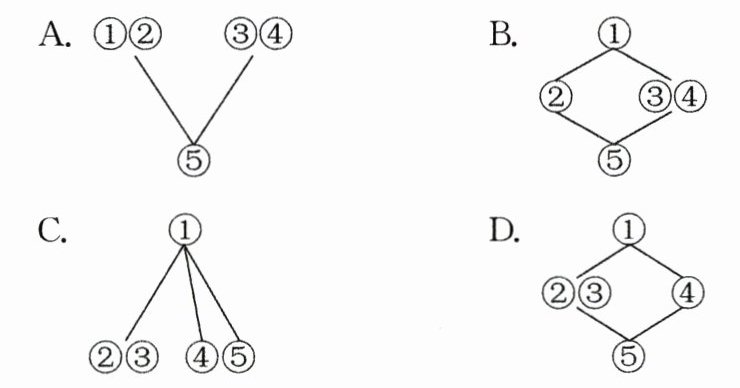
)40. Which of the following best shows the structure of the text?答案:[语篇解读]本文主要告诉读者英语词根是理解和掌握单词的关键。学习并运用词根知识,就能像侦探一样破解生词、学好单词。
37. C 38. C 39. A
40. B 篇章结构题。第一段引出主题;第二段介绍处理文本时需要注意的事情;第三、四段介绍前后缀和词根;第五段总结通过学习词根掌握新技能,会得到回报。
37. C 38. C 39. A
40. B 篇章结构题。第一段引出主题;第二段介绍处理文本时需要注意的事情;第三、四段介绍前后缀和词根;第五段总结通过学习词根掌握新技能,会得到回报。
解析:
【分析】
解答这类英语阅读理解题,需先通读全文把握主旨(本文核心是英语词根对学习单词的重要性);再针对不同题型采用对应方法:指代题需定位指定段落,分析代词前后语境明确指代对象;词义题结合原文举例理解单词含义;词根题根据给定词根含义匹配选项;篇章结构题梳理各段落大意划分结构层次,对应选项结构。
【解析】
37题:定位到第二段,原文提到“when meeting a new and difficult word... see if it helps us to understand what it means”,此处it指代前文的“a new and difficult word”,故选C。
38题:根据第四段举例,“alternating paying”指轮流付钱,选项中“take turns to pay”符合,故选C。
39题:词根“sen”意为“old”,选项A中“senior”意为“年长的”,符合词根含义;B“absent”(缺席)、C“sentenced”(判刑)、D“present”(出席)均不涉及“old”,故选A。
40题:梳理文章结构:第一段引出“词根与单词的关系”主题;第二段介绍处理文本时的方法;第三、四段讲解前缀、后缀及词根的作用并举例;第五段总结学习词根的好处,对应选项B的结构,故选B。
【答案】37.C 38.C 39.A 40.B
【知识点】英语阅读理解、词义猜测、篇章结构分析、指代关系
【点评】本题围绕英语词根学习展开,涵盖多种阅读题型,需学生精准定位原文细节、理解语境及文章结构,难度适中,能考查学生的英语阅读综合能力。
【难度系数】0.6
解答这类英语阅读理解题,需先通读全文把握主旨(本文核心是英语词根对学习单词的重要性);再针对不同题型采用对应方法:指代题需定位指定段落,分析代词前后语境明确指代对象;词义题结合原文举例理解单词含义;词根题根据给定词根含义匹配选项;篇章结构题梳理各段落大意划分结构层次,对应选项结构。
【解析】
37题:定位到第二段,原文提到“when meeting a new and difficult word... see if it helps us to understand what it means”,此处it指代前文的“a new and difficult word”,故选C。
38题:根据第四段举例,“alternating paying”指轮流付钱,选项中“take turns to pay”符合,故选C。
39题:词根“sen”意为“old”,选项A中“senior”意为“年长的”,符合词根含义;B“absent”(缺席)、C“sentenced”(判刑)、D“present”(出席)均不涉及“old”,故选A。
40题:梳理文章结构:第一段引出“词根与单词的关系”主题;第二段介绍处理文本时的方法;第三、四段讲解前缀、后缀及词根的作用并举例;第五段总结学习词根的好处,对应选项B的结构,故选B。
【答案】37.C 38.C 39.A 40.B
【知识点】英语阅读理解、词义猜测、篇章结构分析、指代关系
【点评】本题围绕英语词根学习展开,涵盖多种阅读题型,需学生精准定位原文细节、理解语境及文章结构,难度适中,能考查学生的英语阅读综合能力。
【难度系数】0.6