Ⅳ.(2025·扬州梅岭集团期中)完形填空
Rita 1 England. She is 79 years old, but she still 2. She is a school crossing guard. Rita loves the work. She 3 early every morning and then goes to work 4 bike after breakfast. Everyone in the neighbourhood 5 Rita and her old bike. On her way to the school, many people 6 hello to her. She does a good job, so she is popular in her local community.
Rita enjoys every minute when working as a school crossing guard. When the weather is very bad, she still goes out to work. Sometimes, her daughter 7 her, "You are not young, Mum. 8 do you have to work at an old age? Why not stay at home and 9 life?"
Rita says, "This job makes me 10 good. It's 11 nice to meet people every day. And I like seeing children most. They are so nice and cute. They call 12 Grandma. I feel very glad. Their 13 are very friendly. They always thank me 14 I help keep their children safe."
Now, Rita's 15 gets popular in other places of the world. Many people want to give the school crossing guard a try.
1. A. from
B. come from
C. are from
D. comes from
2. A. exercises
B. works
C. studies
D. travels
3. A. gets up
B. goes to bed
C. has lunch
D. does homework
4. A. in
B. on
C. by
D. with
5. A. is knowing
B. knows
C. know
D. knowing
6. A. tell
B. say
C. talk
D. speak
7. A. ask
B. asks
C. answer
D. answers
8. A. What
B. When
C. How
D. Why
9. A. live
B. enjoy
C. help
D. change
10. A. to feel
B. feels
C. feel
D. feeling
11. A. real
B. true
C. really
D. fact
12. A. you
B. me
C. her
D. him
13. A. teachers
B. classmates
C. friends
D. parents
14. A. but
B. if
C. because
D. so
15. A. dream
B. lesson
C. story
D. team
Rita 1 England. She is 79 years old, but she still 2. She is a school crossing guard. Rita loves the work. She 3 early every morning and then goes to work 4 bike after breakfast. Everyone in the neighbourhood 5 Rita and her old bike. On her way to the school, many people 6 hello to her. She does a good job, so she is popular in her local community.
Rita enjoys every minute when working as a school crossing guard. When the weather is very bad, she still goes out to work. Sometimes, her daughter 7 her, "You are not young, Mum. 8 do you have to work at an old age? Why not stay at home and 9 life?"
Rita says, "This job makes me 10 good. It's 11 nice to meet people every day. And I like seeing children most. They are so nice and cute. They call 12 Grandma. I feel very glad. Their 13 are very friendly. They always thank me 14 I help keep their children safe."
Now, Rita's 15 gets popular in other places of the world. Many people want to give the school crossing guard a try.
1. A. from
B. come from
C. are from
D. comes from
2. A. exercises
B. works
C. studies
D. travels
3. A. gets up
B. goes to bed
C. has lunch
D. does homework
4. A. in
B. on
C. by
D. with
5. A. is knowing
B. knows
C. know
D. knowing
6. A. tell
B. say
C. talk
D. speak
7. A. ask
B. asks
C. answer
D. answers
8. A. What
B. When
C. How
D. Why
9. A. live
B. enjoy
C. help
D. change
10. A. to feel
B. feels
C. feel
D. feeling
11. A. real
B. true
C. really
D. fact
12. A. you
B. me
C. her
D. him
13. A. teachers
B. classmates
C. friends
D. parents
14. A. but
B. if
C. because
D. so
15. A. dream
B. lesson
C. story
D. team
答案:Ⅳ. [文章大意]本文是一篇记叙文。文章主要讲述了79岁的丽塔仍然作为学校门口的交通协管员坚守岗位的故事。
1. D [解析]考查介词和动词短语辨析。句意:丽塔来自英国。from 来自;come from 来自;are from 来自;comes from 来自。根据"Rita... England."可知,此处是指丽塔来自英国;句子时态为一般现在时,且主语"Rita"为第三人称单数,be 动词应用 is,come 应用第三人称单数形式 comes。故选D。
2. B [解析]考查动词辨析。句意:她已经79岁了,但仍然在工作。exercise 锻炼;work 工作;study 学习;travel 旅行。根据下文"every morning and then goes to work"可知,每天早晨,她仍去上班,所以此处是指她仍然在工作。故选B。
3. A [解析]考查动词短语辨析。句意:每天早上,她都会早早起床,早餐后便骑着她的自行车去上班。get up 起床;go to bed 上床睡觉;have lunch 吃午饭;do homework 做作业。根据下文"then goes to work"可知,早晨她应该是先起床,然后去上班。故选A。
4. C [解析]考查介词辨析。句意同上。in 在……里面;on 在……上面;by 通过(某种交通方式);with 和……一起。根据空后名词"bike"可知,此处考查 by bike 这一固定短语,意为"骑自行车"。故选C。
5. B [解析]考查动词的时态。句意:社区里的每个人都认识丽塔和她的那辆旧自行车。is knowing 知道,现在进行时;knows 知道,动词第三人称单数形式;know 知道,动词原形;knowing 知道,现在分词或动名词。由语境可知,句子时态为一般现在时,且主语"Everyone"为第三人称单数,谓语动词应用第三人称单数形式 knows。故选B。
6. B [解析]考查动词辨析。句意:在她去学校的路上,许多人都会向她打招呼。tell 告诉;say 说(内容);talk 交谈;speak 说(某种语言)。根据下文"She does a good job, so she is popular in her local community."可知,她工作表现出色,在当地社区很受欢迎,所以此处是指很多人和她打招呼。say hello to sb 向某人打招呼,是固定短语。故选B。
7. B [解析]考查动词辨析。句意:有时,她的女儿会问她:"妈妈,你已经不年轻了。为什么这么大年纪了还要工作呢?为什么不待在家里享受生活呢?"ask 问,动词原形;asks 问,动词第三人称单数形式;answer 回答,动词原形;answers 回答,动词第三人称单数形式。根据下文"... do you have to work at an old age? Why not stay at home and ... life?"可知,此处是指女儿在问母亲问题,且主语"her daughter"为第三人称单数,谓语动词应用第三人称单数形式 asks。故选B。
8. D [解析]考查疑问词辨析。句意同上。what 什么;when 什么时候;how 如何;why 为什么。根据下文"This job makes me... good. It's... nice to meet people every day. And I like seeing children most."可知,母亲喜欢看到孩子们,她喜欢这份工作,所以此处是女儿在询问丽塔为什么要工作。故选D。
9. B [解析]考查动词辨析。句意同上。live 居住;enjoy 享受;help 帮助;change 改变。根据"stay at home"可知,女儿建议母亲待在家里享受生活。故选B。
10. C [解析]考查固定搭配。句意:这份工作让我感觉很好。to feel 感觉,动词不定式;feels 感觉,动词第三人称单数形式;feel 感觉,动词原形;feeling 感觉,现在分词或动名词。根据空前的"makes me"可知,此处考查 make sb do sth(使某人做某事)这一固定搭配,因此这里应用动词原形。故⇨make sb+adj. 使某人……选C。
11. C [解析]考查词汇辨析。句意:每天能见到人们真的很好。real 真的,形容词;true 真实的,形容词;really 真正地,副词;fact 事实,名词。根据空后的形容词"nice"可知,这里应用副词修饰形容词。故选C。
12. B [解析]考查代词辨析。句意:他们叫我奶奶。you 你;me 我;her 她;him 他。根据下文"I feel very glad."可知,"我"感到很开心,因为孩子们称呼"我"为奶奶,应用 me 作动词"call"的宾语。故选B。
13. D [解析]考查名词辨析。句意:他们的父母非常友好。teacher 老师;classmate 同学;friend 朋友;parents 父母。根据"I help keep their children safe"可知,丽塔帮助保护他们孩子的安全,所以此处是指孩子们的父母很友好。故选D。
14. C [解析]考查连词辨析。句意:他们总是感谢我,因为我帮助保证他们的孩子安全。but 但是;if 如果;because 因为;so 所以。分析句子结构可知,前后两句为因果关系,前果后因,应用 because 引导原因状语从句。故选C。
15. C [解析]考查名词辨析。句意:现在,丽塔的故事在世界其他地方也变得广为人知。dream 梦想;lesson 课程;story 故事;team 团队。根据下文"Many people want to give the school crossing guard a try."可知,许多人想要尝试这份工作,成为一名学校门口的交通协管员,所以此处是指丽塔的故事在世界其他地方流传了开来。故选C。
1. D [解析]考查介词和动词短语辨析。句意:丽塔来自英国。from 来自;come from 来自;are from 来自;comes from 来自。根据"Rita... England."可知,此处是指丽塔来自英国;句子时态为一般现在时,且主语"Rita"为第三人称单数,be 动词应用 is,come 应用第三人称单数形式 comes。故选D。
2. B [解析]考查动词辨析。句意:她已经79岁了,但仍然在工作。exercise 锻炼;work 工作;study 学习;travel 旅行。根据下文"every morning and then goes to work"可知,每天早晨,她仍去上班,所以此处是指她仍然在工作。故选B。
3. A [解析]考查动词短语辨析。句意:每天早上,她都会早早起床,早餐后便骑着她的自行车去上班。get up 起床;go to bed 上床睡觉;have lunch 吃午饭;do homework 做作业。根据下文"then goes to work"可知,早晨她应该是先起床,然后去上班。故选A。
4. C [解析]考查介词辨析。句意同上。in 在……里面;on 在……上面;by 通过(某种交通方式);with 和……一起。根据空后名词"bike"可知,此处考查 by bike 这一固定短语,意为"骑自行车"。故选C。
5. B [解析]考查动词的时态。句意:社区里的每个人都认识丽塔和她的那辆旧自行车。is knowing 知道,现在进行时;knows 知道,动词第三人称单数形式;know 知道,动词原形;knowing 知道,现在分词或动名词。由语境可知,句子时态为一般现在时,且主语"Everyone"为第三人称单数,谓语动词应用第三人称单数形式 knows。故选B。
6. B [解析]考查动词辨析。句意:在她去学校的路上,许多人都会向她打招呼。tell 告诉;say 说(内容);talk 交谈;speak 说(某种语言)。根据下文"She does a good job, so she is popular in her local community."可知,她工作表现出色,在当地社区很受欢迎,所以此处是指很多人和她打招呼。say hello to sb 向某人打招呼,是固定短语。故选B。
7. B [解析]考查动词辨析。句意:有时,她的女儿会问她:"妈妈,你已经不年轻了。为什么这么大年纪了还要工作呢?为什么不待在家里享受生活呢?"ask 问,动词原形;asks 问,动词第三人称单数形式;answer 回答,动词原形;answers 回答,动词第三人称单数形式。根据下文"... do you have to work at an old age? Why not stay at home and ... life?"可知,此处是指女儿在问母亲问题,且主语"her daughter"为第三人称单数,谓语动词应用第三人称单数形式 asks。故选B。
8. D [解析]考查疑问词辨析。句意同上。what 什么;when 什么时候;how 如何;why 为什么。根据下文"This job makes me... good. It's... nice to meet people every day. And I like seeing children most."可知,母亲喜欢看到孩子们,她喜欢这份工作,所以此处是女儿在询问丽塔为什么要工作。故选D。
9. B [解析]考查动词辨析。句意同上。live 居住;enjoy 享受;help 帮助;change 改变。根据"stay at home"可知,女儿建议母亲待在家里享受生活。故选B。
10. C [解析]考查固定搭配。句意:这份工作让我感觉很好。to feel 感觉,动词不定式;feels 感觉,动词第三人称单数形式;feel 感觉,动词原形;feeling 感觉,现在分词或动名词。根据空前的"makes me"可知,此处考查 make sb do sth(使某人做某事)这一固定搭配,因此这里应用动词原形。故⇨make sb+adj. 使某人……选C。
11. C [解析]考查词汇辨析。句意:每天能见到人们真的很好。real 真的,形容词;true 真实的,形容词;really 真正地,副词;fact 事实,名词。根据空后的形容词"nice"可知,这里应用副词修饰形容词。故选C。
12. B [解析]考查代词辨析。句意:他们叫我奶奶。you 你;me 我;her 她;him 他。根据下文"I feel very glad."可知,"我"感到很开心,因为孩子们称呼"我"为奶奶,应用 me 作动词"call"的宾语。故选B。
13. D [解析]考查名词辨析。句意:他们的父母非常友好。teacher 老师;classmate 同学;friend 朋友;parents 父母。根据"I help keep their children safe"可知,丽塔帮助保护他们孩子的安全,所以此处是指孩子们的父母很友好。故选D。
14. C [解析]考查连词辨析。句意:他们总是感谢我,因为我帮助保证他们的孩子安全。but 但是;if 如果;because 因为;so 所以。分析句子结构可知,前后两句为因果关系,前果后因,应用 because 引导原因状语从句。故选C。
15. C [解析]考查名词辨析。句意:现在,丽塔的故事在世界其他地方也变得广为人知。dream 梦想;lesson 课程;story 故事;team 团队。根据下文"Many people want to give the school crossing guard a try."可知,许多人想要尝试这份工作,成为一名学校门口的交通协管员,所以此处是指丽塔的故事在世界其他地方流传了开来。故选C。
Ⅴ. 热考主题 劳动课程走进校园 (2026·无锡澄西片期中)阅读理解
视频学重难
Labour classes at school can help students be active, creative(有创造力的) and happy in life. At the same time, students can learn the meaning of labour. So from this September, students in middle school will have at least one labour class a week.
There are many interesting labour classes now. Students from a school in Chongqing have a class about catching fish in the river and learning about their habits. In Shanxi Province, students make tofu with beans. They also cook it by themselves. The labour classes make them feel happy when they cook delicious meals. Some students also keep small animals at home like chickens. This helps students learn how to care about living things and also makes them more interested in biology.
According to the new policy(政策), middle school students need to learn the following skills in labour classes: clean their rooms and classrooms, pick proper(合适的) clothes for travel, cook three or four meals, and take part in labour activities such as planting or fishing.
A study shows that doing labour work is good for students. The students can get more self control(控制), do better in school, and feel happier from it. Labour classes not only teach them important skills but also are a great way to relax(放松) during a busy school day. So which kind of labour skill do you want to learn most?
1. What can students learn in the labour class?
A. Eating habits.
B. Interesting stories.
C. Different animals.
D. Cooking skills.
2. If you want to travel, the labour classes can teach you .
A. how to book tickets
B. how to choose proper clothes
C. how to clean the room
D. how to cook meals in other cities
3. What can we learn from the text?
A. Labour classes can only teach students some cooking skills.
B. Labour classes make the students' school day busier.
C. Students will lose control if they don't take labour classes.
D. Students may feel happier by doing labour work.
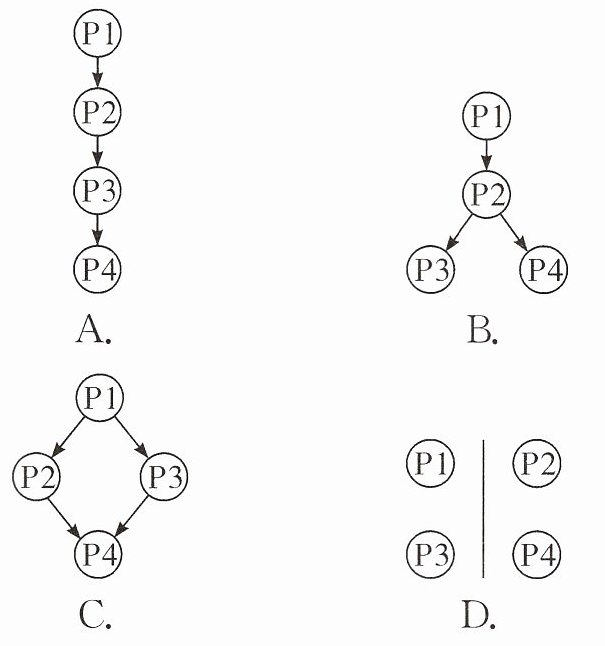
4. 新考法 推断篇章结构 What is the structure(结构) of the passage? (P=Paragraph)
视频学重难
Labour classes at school can help students be active, creative(有创造力的) and happy in life. At the same time, students can learn the meaning of labour. So from this September, students in middle school will have at least one labour class a week.
There are many interesting labour classes now. Students from a school in Chongqing have a class about catching fish in the river and learning about their habits. In Shanxi Province, students make tofu with beans. They also cook it by themselves. The labour classes make them feel happy when they cook delicious meals. Some students also keep small animals at home like chickens. This helps students learn how to care about living things and also makes them more interested in biology.
According to the new policy(政策), middle school students need to learn the following skills in labour classes: clean their rooms and classrooms, pick proper(合适的) clothes for travel, cook three or four meals, and take part in labour activities such as planting or fishing.
A study shows that doing labour work is good for students. The students can get more self control(控制), do better in school, and feel happier from it. Labour classes not only teach them important skills but also are a great way to relax(放松) during a busy school day. So which kind of labour skill do you want to learn most?
1. What can students learn in the labour class?
A. Eating habits.
B. Interesting stories.
C. Different animals.
D. Cooking skills.
2. If you want to travel, the labour classes can teach you .
A. how to book tickets
B. how to choose proper clothes
C. how to clean the room
D. how to cook meals in other cities
3. What can we learn from the text?
A. Labour classes can only teach students some cooking skills.
B. Labour classes make the students' school day busier.
C. Students will lose control if they don't take labour classes.
D. Students may feel happier by doing labour work.
4. 新考法 推断篇章结构 What is the structure(结构) of the passage? (P=Paragraph)
答案:Ⅴ. [文章大意]本文主要介绍了中学劳动课的相关情况。
[图1 第1题图]
1. D [解析]细节理解题。根据文章第三段"middle school students need to learn the following skills in labour classes: ... cook three or four meals"及第二段"In Shanxi Province, students make tofu with beans. They also cook it by themselves"可知,学生在劳动课上能学到烹饪技能。A选项"饮食习惯"、B选项"有趣的故事"、C选项"不同的动物"均未在文中提及是劳动课的学习内容。故选D。
2. B [解析]细节理解题。根据第三段"pick proper clothes for travel"可知,劳动课会教学生为旅行挑选合适的衣服。A选项"如何订票"、C选项"如何打扫房间"、D选项"如何在其他城市做饭"均与题干中"旅行"相关的教学内容不符。故选B。
3. D [解析]细节理解题。根据第四段"A study shows that doing labour work is good for students. The students can get more self control, do better in school, and feel happier from it"可知,学生通过做家务可能会感到更快乐,D选项正确。A选项"仅能教烹饪技能"与第三段提到的多种技能不符;B选项"让学校生活更忙碌"与第四段"是忙碌学校生活中的放松方式"相悖;C选项"不上劳动课就会失去自控力"过于绝对,文中未提及。故选D。
4. C [解析]篇章结构题。文章第一段总述劳动课的意义及"每周至少一节"的开设要求;第二段列举重庆、山西等地的劳动课案例,属于分述;第三段具体说明新政策下学生需掌握的劳动技能,也是分述;第四段总结劳动课对学生的益处并引发读者思考,回归总述。因此文章结构为"总—分—总"结构。故选C。
素养考向 本文围绕"劳动课"主题,传递劳动教育的价值(掌握生活技能、提升幸福感),契合中国重视劳动实践的教育文化,引导学生感知劳动的意义。
[图1 第1题图]
1. D [解析]细节理解题。根据文章第三段"middle school students need to learn the following skills in labour classes: ... cook three or four meals"及第二段"In Shanxi Province, students make tofu with beans. They also cook it by themselves"可知,学生在劳动课上能学到烹饪技能。A选项"饮食习惯"、B选项"有趣的故事"、C选项"不同的动物"均未在文中提及是劳动课的学习内容。故选D。
2. B [解析]细节理解题。根据第三段"pick proper clothes for travel"可知,劳动课会教学生为旅行挑选合适的衣服。A选项"如何订票"、C选项"如何打扫房间"、D选项"如何在其他城市做饭"均与题干中"旅行"相关的教学内容不符。故选B。
3. D [解析]细节理解题。根据第四段"A study shows that doing labour work is good for students. The students can get more self control, do better in school, and feel happier from it"可知,学生通过做家务可能会感到更快乐,D选项正确。A选项"仅能教烹饪技能"与第三段提到的多种技能不符;B选项"让学校生活更忙碌"与第四段"是忙碌学校生活中的放松方式"相悖;C选项"不上劳动课就会失去自控力"过于绝对,文中未提及。故选D。
4. C [解析]篇章结构题。文章第一段总述劳动课的意义及"每周至少一节"的开设要求;第二段列举重庆、山西等地的劳动课案例,属于分述;第三段具体说明新政策下学生需掌握的劳动技能,也是分述;第四段总结劳动课对学生的益处并引发读者思考,回归总述。因此文章结构为"总—分—总"结构。故选C。
素养考向 本文围绕"劳动课"主题,传递劳动教育的价值(掌握生活技能、提升幸福感),契合中国重视劳动实践的教育文化,引导学生感知劳动的意义。