B(2026·无锡侨谊实验中学阶段检测)
The Story of “Yuan Dan”: Then and Now
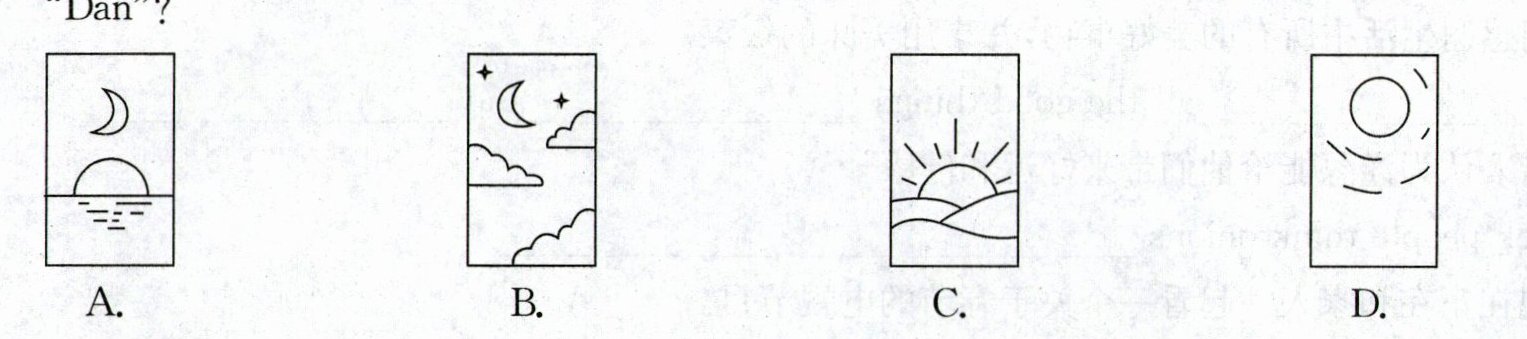
In modern China, 1 January is celebrated as “Yuan Dan”. The name carries deep meaning. “Yuan” means “beginning”, and “Dan” means “dawn”. The character “Dan” looks like the sun rising above the horizon. Thus, “Yuan Dan” poetically translates to “the first sunrise”.
Historically, however, this term did not refer to January 1st. For thousands of years, it described the first day of the Lunar New Year. The specific date often changed depending on the ruling emperor. For example, the Xia, Shang, and Zhou Dynasties all started their years in different months. It wasn't until the Han Dynasty that the date was fixed to the start of the lunar spring.
The modern definition appeared in the 20th century. In 1912, China adopted the Western Gregorian calendar to match the world. Later, in 1949, the government officially separated the two holidays: 1 January became “Yuan Dan”, and the traditional lunar celebration was renamed “Spring Festival”.
Interestingly, the date of 1 January comes from ancient Rome. In 46 B. C., Julius Caesar set this date to honour Janus, the god of beginnings, who looks both to the past and the future.
4. 新考法 图片理解 Which of the following pictures best describes the meaning of the character “Dan”?
5. Which dynasty fixed the date of “Yuan Dan” to the start of the lunar spring?
A. The Xia Dynasty.
B. The Shang Dynasty.
C. The Zhou Dynasty.
D. The Han Dynasty.
6. What does the word “separated” in Paragraph 3 probably mean?
A. To mix two things together.
B. To keep two things apart.
C. To stop celebrating a holiday.
D. To create a new calendar.
7. Which of the following statements is TRUE according to the passage?
A. The date of “Yuan Dan” has always been 1 January for thousands of years.
B. Julius Caesar set 1 January to honour the Chinese Emperor.
C. In 1912, China adopted the Western Gregorian calendar.
D. The character “Yuan” implies “dawn” or “day”.
8. 新考法 主旨归纳 What is the passage mainly about?
A. Modern celebrations of Yuan Dan.
B. The difference between Yuan Dan and the Spring Festival.
C. The origin and historical changes of “Yuan Dan”.
D. How to celebrate Yuan Dan in modern China.
The Story of “Yuan Dan”: Then and Now
In modern China, 1 January is celebrated as “Yuan Dan”. The name carries deep meaning. “Yuan” means “beginning”, and “Dan” means “dawn”. The character “Dan” looks like the sun rising above the horizon. Thus, “Yuan Dan” poetically translates to “the first sunrise”.
Historically, however, this term did not refer to January 1st. For thousands of years, it described the first day of the Lunar New Year. The specific date often changed depending on the ruling emperor. For example, the Xia, Shang, and Zhou Dynasties all started their years in different months. It wasn't until the Han Dynasty that the date was fixed to the start of the lunar spring.
The modern definition appeared in the 20th century. In 1912, China adopted the Western Gregorian calendar to match the world. Later, in 1949, the government officially separated the two holidays: 1 January became “Yuan Dan”, and the traditional lunar celebration was renamed “Spring Festival”.
Interestingly, the date of 1 January comes from ancient Rome. In 46 B. C., Julius Caesar set this date to honour Janus, the god of beginnings, who looks both to the past and the future.
4. 新考法 图片理解 Which of the following pictures best describes the meaning of the character “Dan”?
5. Which dynasty fixed the date of “Yuan Dan” to the start of the lunar spring?
A. The Xia Dynasty.
B. The Shang Dynasty.
C. The Zhou Dynasty.
D. The Han Dynasty.
6. What does the word “separated” in Paragraph 3 probably mean?
A. To mix two things together.
B. To keep two things apart.
C. To stop celebrating a holiday.
D. To create a new calendar.
7. Which of the following statements is TRUE according to the passage?
A. The date of “Yuan Dan” has always been 1 January for thousands of years.
B. Julius Caesar set 1 January to honour the Chinese Emperor.
C. In 1912, China adopted the Western Gregorian calendar.
D. The character “Yuan” implies “dawn” or “day”.
8. 新考法 主旨归纳 What is the passage mainly about?
A. Modern celebrations of Yuan Dan.
B. The difference between Yuan Dan and the Spring Festival.
C. The origin and historical changes of “Yuan Dan”.
D. How to celebrate Yuan Dan in modern China.
答案:B [文章大意]本文是一篇说明文,主要介绍了元旦的含义、历史演变(从农历新年到公历新年),以及现代元旦与春节的区分过程。
4. C [解析]图片理解题。根据“The character ‘Dan’ looks like the sun rising above the horizon.”可知,“旦”对应的是太阳从地平线升起的画面。故选 C。
5. D [解析]细节理解题. 根据 “It wasn't until the Han Dynasty that the date was fixed to the start of the lunar spring.”可知,汉代将“元旦”日期固定在农历初春。故选 D。
6. B [解析]词义猜测题。根据“1 January became ‘Yuan Dan’,and the traditional lunar celebration was renamed ‘Spring Festival’”可知,“separated”指将两个节日“分开、区分”。故选 B。
7. C [解析]细节理解题。根据“In 1912,China adopted the Western Gregorian calendar...”可知,1912 年中国接受西方日历。故选 C。
8. C [解析]主旨大意题。文章围绕“元旦的起源及历史变迁”展开,讲述了其古代含义、日期变化和现代定义的形成,C 选项最贴合主题。故选 C。
素养考向
本文主要考查学生的语言能力和文化意识,通过本文学生能了解“元旦”一词的古今含义演变,感知中国传统节日与历法的历史变迁,增强对中华优秀传统文化的认同与传承意识。
4. C [解析]图片理解题。根据“The character ‘Dan’ looks like the sun rising above the horizon.”可知,“旦”对应的是太阳从地平线升起的画面。故选 C。
5. D [解析]细节理解题. 根据 “It wasn't until the Han Dynasty that the date was fixed to the start of the lunar spring.”可知,汉代将“元旦”日期固定在农历初春。故选 D。
6. B [解析]词义猜测题。根据“1 January became ‘Yuan Dan’,and the traditional lunar celebration was renamed ‘Spring Festival’”可知,“separated”指将两个节日“分开、区分”。故选 B。
7. C [解析]细节理解题。根据“In 1912,China adopted the Western Gregorian calendar...”可知,1912 年中国接受西方日历。故选 C。
8. C [解析]主旨大意题。文章围绕“元旦的起源及历史变迁”展开,讲述了其古代含义、日期变化和现代定义的形成,C 选项最贴合主题。故选 C。
素养考向
本文主要考查学生的语言能力和文化意识,通过本文学生能了解“元旦”一词的古今含义演变,感知中国传统节日与历法的历史变迁,增强对中华优秀传统文化的认同与传承意识。