C
I have a very special relationship with books. We didn't have a TV growing up, so 1 whole family would get together in my brother's room every night. While my mum knitted (编织), my father would read aloud to us for hours. We loved J. K. Rowling's exciting stories of Harry Potter and lost 2 (we) in her world of magic. Before I entered the first grade, we had already finished the seven books of the Harry Potter series.
3 I loved the stories in the books, learning how to read them was a very big challenge— I had dyslexia(阅读障碍). This meant my brain had trouble 4 (put) the letters in the correct order, making reading and writing much 5 (hard) for me. I finally learned to read at the start of the 6 (four) grade with the help of a tutor(家庭教师).
Instead of making me run away from books, my dyslexia made me want to read even more. My parents often took me to a bookstore near our home. I bought a book about Helen Keller there and read it many times. I was deeply 7 (touch) by Helen Keller's story of dealing with blindness and deafness with great courage. I 8 (build) confidence and had a lasting love for reading.
Reading became a beautiful part of my life. For my parents, reading was like breathing. Our home was filled 9 books, and my mum and dad always talked about what they were reading. Being able to join these conversations made me feel like I was 10 (true) a part of the family.
1.
6.
I have a very special relationship with books. We didn't have a TV growing up, so 1 whole family would get together in my brother's room every night. While my mum knitted (编织), my father would read aloud to us for hours. We loved J. K. Rowling's exciting stories of Harry Potter and lost 2 (we) in her world of magic. Before I entered the first grade, we had already finished the seven books of the Harry Potter series.
3 I loved the stories in the books, learning how to read them was a very big challenge— I had dyslexia(阅读障碍). This meant my brain had trouble 4 (put) the letters in the correct order, making reading and writing much 5 (hard) for me. I finally learned to read at the start of the 6 (four) grade with the help of a tutor(家庭教师).
Instead of making me run away from books, my dyslexia made me want to read even more. My parents often took me to a bookstore near our home. I bought a book about Helen Keller there and read it many times. I was deeply 7 (touch) by Helen Keller's story of dealing with blindness and deafness with great courage. I 8 (build) confidence and had a lasting love for reading.
Reading became a beautiful part of my life. For my parents, reading was like breathing. Our home was filled 9 books, and my mum and dad always talked about what they were reading. Being able to join these conversations made me feel like I was 10 (true) a part of the family.
1.
the
2. ourselves
3. Although/Though
4. putting
5. harder
6.
fourth
7. touched
8. built
9. with
10. truly
答案:1. the
2. ourselves
3. Although/Though
4. putting
5. harder
6. fourth
7. touched
8. built
9. with
10. truly
2. ourselves
3. Although/Though
4. putting
5. harder
6. fourth
7. touched
8. built
9. with
10. truly
解析:
【分析】
本题为英语语法填空题,围绕作者与书籍的成长故事展开,需结合固定搭配、词性转换、逻辑关系等知识点逐一分析每个空格:
1. 考查定冠词的固定搭配;
2. 考查反身代词的固定短语;
3. 考查表转折的连词;
4. 考查动名词的固定结构;
5. 考查形容词比较级的用法;
6. 考查序数词的用法;
7. 考查被动语态的过去分词;
8. 考查一般过去时的动词形式;
9. 考查介词的固定搭配;
10. 考查副词的用法。
【解析】
1. 固定搭配“the whole + 名词”表示“整个……”,故填the;
2. 固定短语“lose oneself in”意为“沉浸于……”,主语为we,对应反身代词ourselves;
3. 前后句为转折关系,需填表“虽然”的连词,故填Although/Though;
4. 固定结构“have trouble (in) doing sth”,put的动名词形式为putting;
5. much修饰形容词比较级,结合语境用hard的比较级harder;
6. 表示“四年级”需用序数词fourth;
7. 被动语态结构“be + 过去分词”,此处表“被感动”,故填touched;
8. 与后面的had并列,需用一般过去式,build的过去式为built;
9. 固定搭配“be filled with”意为“充满……”,故填with;
10. 修饰be动词需用副词,true的副词形式为truly。
【答案】
1. the
2. ourselves
3. Although/Though
4. putting
5. harder
6. fourth
7. touched
8. built
9. with
10. truly
【知识点】
固定搭配、词性转换、连词辨析
【点评】
本题为初中英语基础语法填空题,语境贴近学生生活,考查核心语法和固定短语,难度适中,需学生结合语境和语法规则分析逻辑关系,是常见的基础题型。
【难度系数】
0.5
本题为英语语法填空题,围绕作者与书籍的成长故事展开,需结合固定搭配、词性转换、逻辑关系等知识点逐一分析每个空格:
1. 考查定冠词的固定搭配;
2. 考查反身代词的固定短语;
3. 考查表转折的连词;
4. 考查动名词的固定结构;
5. 考查形容词比较级的用法;
6. 考查序数词的用法;
7. 考查被动语态的过去分词;
8. 考查一般过去时的动词形式;
9. 考查介词的固定搭配;
10. 考查副词的用法。
【解析】
1. 固定搭配“the whole + 名词”表示“整个……”,故填the;
2. 固定短语“lose oneself in”意为“沉浸于……”,主语为we,对应反身代词ourselves;
3. 前后句为转折关系,需填表“虽然”的连词,故填Although/Though;
4. 固定结构“have trouble (in) doing sth”,put的动名词形式为putting;
5. much修饰形容词比较级,结合语境用hard的比较级harder;
6. 表示“四年级”需用序数词fourth;
7. 被动语态结构“be + 过去分词”,此处表“被感动”,故填touched;
8. 与后面的had并列,需用一般过去式,build的过去式为built;
9. 固定搭配“be filled with”意为“充满……”,故填with;
10. 修饰be动词需用副词,true的副词形式为truly。
【答案】
1. the
2. ourselves
3. Although/Though
4. putting
5. harder
6. fourth
7. touched
8. built
9. with
10. truly
【知识点】
固定搭配、词性转换、连词辨析
【点评】
本题为初中英语基础语法填空题,语境贴近学生生活,考查核心语法和固定短语,难度适中,需学生结合语境和语法规则分析逻辑关系,是常见的基础题型。
【难度系数】
0.5
D(2026·江苏泰州姜堰区期末)
The official mascots of the 2026 Spring Festival Gala were recently released, winning great popularity online. They are four lively horses 1 (name) Qiqi, Jiji, Chichi and Chengcheng, which perfectly match the Gala’s theme “Galloping Forward, Unstoppable(骐骥驰骋,势不可挡)”.
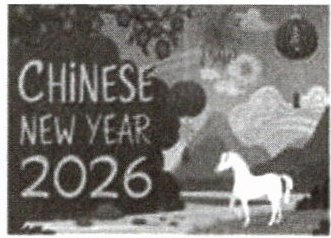
Each mascot has a rich cultural story. Qiqi gets ideas from a Western Zhou bronze object, and its colour 2 (base) upon the meaning of “Qi”—a blackish-green horse. Jiji is designed after the Han Dynasty’s “heavenly horse”, with its wings spread 3 (wide) as if flying toward the sun. Chichi comes from the Tang Dynasty’s “three-flower horse”, a symbol of high status(地位) in ancient times, standing tall with 4 (confident). Chengcheng’s prototype is the Przewalski’s horse, 5 special wild kind called a “living fossil” with a 60-million-year development history.
All four mascots are decorated with traditional cloud patterns. These patterns not only make them much 6 (attract) but also carry deep cultural meanings. They stand 7 good wishes like “success at once” for the new year.
For young people, these mascots are a wonderful chance 8 (learn) about ancient Chinese art and culture in a fun way. 9 their release(发布), they have won hearts of many people with their charm. We are all looking forward to 10 (see) them shine on the Gala stage.
1.
6.
The official mascots of the 2026 Spring Festival Gala were recently released, winning great popularity online. They are four lively horses 1 (name) Qiqi, Jiji, Chichi and Chengcheng, which perfectly match the Gala’s theme “Galloping Forward, Unstoppable(骐骥驰骋,势不可挡)”.
Each mascot has a rich cultural story. Qiqi gets ideas from a Western Zhou bronze object, and its colour 2 (base) upon the meaning of “Qi”—a blackish-green horse. Jiji is designed after the Han Dynasty’s “heavenly horse”, with its wings spread 3 (wide) as if flying toward the sun. Chichi comes from the Tang Dynasty’s “three-flower horse”, a symbol of high status(地位) in ancient times, standing tall with 4 (confident). Chengcheng’s prototype is the Przewalski’s horse, 5 special wild kind called a “living fossil” with a 60-million-year development history.
All four mascots are decorated with traditional cloud patterns. These patterns not only make them much 6 (attract) but also carry deep cultural meanings. They stand 7 good wishes like “success at once” for the new year.
For young people, these mascots are a wonderful chance 8 (learn) about ancient Chinese art and culture in a fun way. 9 their release(发布), they have won hearts of many people with their charm. We are all looking forward to 10 (see) them shine on the Gala stage.
1.
named
2. is based
3. wide/widely
4. confidence
5. a
6.
more attractive
7. for
8. to learn
9. Since
10. seeing
答案:1. named
2. is based
3. wide/widely
4. confidence
5. a
6. more attractive
7. for
8. to learn
9. Since
10. seeing
2. is based
3. wide/widely
4. confidence
5. a
6. more attractive
7. for
8. to learn
9. Since
10. seeing
解析:
【分析】
本题是英语语法填空题,需结合句子结构、词性变化、固定搭配、时态语态等语法知识,根据语境分析每个空所需的正确形式。解题时,先判断每个空在句中的成分,再确定所需词性或变形,最后结合语法规则和固定搭配得出答案。
【解析】
1. 分析:句中four horses与name是被动关系,需用过去分词作后置定语,故填named。
2. 分析:固定搭配be based upon(基于),主语colour是单数,时态为一般现在时,故填is based。
3. 分析:此处修饰动词spread,需用副词,wide/widely均可,故填wide/widely。
4. 分析:介词with后接名词,confident的名词形式是confidence,故填confidence。
5. 分析:泛指“一种特殊的野马”,用不定冠词a,故填a。
6. 分析:much后接形容词比较级,attractive的比较级是more attractive,故填more attractive。
7. 分析:固定搭配stand for(代表),此处表示代表美好祝愿,故填for。
8. 分析:固定搭配chance to do sth(做某事的机会),需用不定式,故填to learn。
9. 分析:此处表示“自从它们发布以来”,用连词Since引导时间状语,故填Since。
10. 分析:固定搭配look forward to doing sth(期待做某事),to是介词,后接动名词,故填seeing。
【答案】
1. named 2. is based 3. wide/widely 4. confidence 5. a 6. more attractive 7. for 8. to learn 9. Since 10. seeing
【知识点】
非谓语动词、被动语态、形容词比较级
【点评】
本题结合文化背景考查英语基础语法,涵盖非谓语、被动、比较级等常见考点,需掌握词性变化和固定搭配,难度适中。
【难度系数】
0.6
本题是英语语法填空题,需结合句子结构、词性变化、固定搭配、时态语态等语法知识,根据语境分析每个空所需的正确形式。解题时,先判断每个空在句中的成分,再确定所需词性或变形,最后结合语法规则和固定搭配得出答案。
【解析】
1. 分析:句中four horses与name是被动关系,需用过去分词作后置定语,故填named。
2. 分析:固定搭配be based upon(基于),主语colour是单数,时态为一般现在时,故填is based。
3. 分析:此处修饰动词spread,需用副词,wide/widely均可,故填wide/widely。
4. 分析:介词with后接名词,confident的名词形式是confidence,故填confidence。
5. 分析:泛指“一种特殊的野马”,用不定冠词a,故填a。
6. 分析:much后接形容词比较级,attractive的比较级是more attractive,故填more attractive。
7. 分析:固定搭配stand for(代表),此处表示代表美好祝愿,故填for。
8. 分析:固定搭配chance to do sth(做某事的机会),需用不定式,故填to learn。
9. 分析:此处表示“自从它们发布以来”,用连词Since引导时间状语,故填Since。
10. 分析:固定搭配look forward to doing sth(期待做某事),to是介词,后接动名词,故填seeing。
【答案】
1. named 2. is based 3. wide/widely 4. confidence 5. a 6. more attractive 7. for 8. to learn 9. Since 10. seeing
【知识点】
非谓语动词、被动语态、形容词比较级
【点评】
本题结合文化背景考查英语基础语法,涵盖非谓语、被动、比较级等常见考点,需掌握词性变化和固定搭配,难度适中。
【难度系数】
0.6