一、听录音,选出正确的应答句。(听两遍)
(
(
(
(
B. We can reuse them to grow flowers.
C. We can put them in the grey bin.
(
B. It’s at the recycling centre.
C. We can recycle these cardboard boxes.
(
B
) 1. A. Yes, they can. B. No, they can’t. C. No, they don’t.(
C
) 2. A. Plastic. B. Glass. C. Paper.(
C
) 3. A. How old! B. How dirty! C. What interesting work!(
B
) 4. A. We can throw them away.B. We can reuse them to grow flowers.
C. We can put them in the grey bin.
(
A
) 5. A. Because it’s good for the Earth.B. It’s at the recycling centre.
C. We can recycle these cardboard boxes.
答案:1. B 2. C 3. C 4. B 5. A
二、从方框中选择合适的词语,并用其适当形式填空。
A. become B. save C. sort D. useful E. recycle F. bottle
Every year, China (1)
A. become B. save C. sort D. useful E. recycle F. bottle
Every year, China (1)
recycles
tons of rubbish—old books, plastic (2) bottles
and metal cans (金属罐). It is really wonderful for our Earth! Our city’s recycling centre is a big, busy place. Workers there carefully (3) sort
rubbish first, then turn it into (4) useful
materials. Their work is so important: it keeps our city clean and (5) saves
resources (资源). The rubbish will (6) become
new books, toys or even chairs. It is really interesting to see rubbish get a new life—we can join in by recycling too!答案:1. recycles 2. bottles 3. sort 4. useful
5. saves 6. become
5. saves 6. become
解析:
【分析】
这是一道选词并用适当形式填空的英语题,解题思路如下:首先通读全文,理解文章大意是关于垃圾回收利用的内容;接着明确方框内每个单词的词义、词性;然后逐个分析每个空的句子结构、所需词性、时态等语法要求,结合语境选择合适的单词并进行形式变形,最后验证填入后句子通顺合理。
【解析】
1. 第一空:句子主语是China(第三人称单数),时间状语Every year表明用一般现在时,谓语动词需用第三人称单数形式,结合语境“回收垃圾”,选E.recycle,变形为recycles;
2. 第二空:plastic后需接名词,指塑料瓶,方框中F.bottle是可数名词,泛指用复数,故填bottles;
3. 第三空:主语Workers是复数,句子用一般现在时,谓语动词用原形,结合“分类垃圾”,选C.sort;
4. 第四空:修饰名词materials需用形容词,方框中D.useful是形容词,故填useful;
5. 第五空:主语it指代回收工作(第三人称单数),谓语动词用第三人称单数形式,结合“节约资源”,选B.save,变形为saves;
6. 第六空:will后接动词原形,结合“变成新书等”,选A.become。
【答案】
1. recycles 2. bottles 3. sort 4. useful 5. saves 6. become
【知识点】
动词的适当形式、名词复数、形容词用法
【点评】
本题围绕垃圾回收主题,考查词汇在语境中的正确运用及形式变化,贴近生活,难度适中,能帮助学生巩固词汇和基础语法知识。
【难度系数】
0.5
这是一道选词并用适当形式填空的英语题,解题思路如下:首先通读全文,理解文章大意是关于垃圾回收利用的内容;接着明确方框内每个单词的词义、词性;然后逐个分析每个空的句子结构、所需词性、时态等语法要求,结合语境选择合适的单词并进行形式变形,最后验证填入后句子通顺合理。
【解析】
1. 第一空:句子主语是China(第三人称单数),时间状语Every year表明用一般现在时,谓语动词需用第三人称单数形式,结合语境“回收垃圾”,选E.recycle,变形为recycles;
2. 第二空:plastic后需接名词,指塑料瓶,方框中F.bottle是可数名词,泛指用复数,故填bottles;
3. 第三空:主语Workers是复数,句子用一般现在时,谓语动词用原形,结合“分类垃圾”,选C.sort;
4. 第四空:修饰名词materials需用形容词,方框中D.useful是形容词,故填useful;
5. 第五空:主语it指代回收工作(第三人称单数),谓语动词用第三人称单数形式,结合“节约资源”,选B.save,变形为saves;
6. 第六空:will后接动词原形,结合“变成新书等”,选A.become。
【答案】
1. recycles 2. bottles 3. sort 4. useful 5. saves 6. become
【知识点】
动词的适当形式、名词复数、形容词用法
【点评】
本题围绕垃圾回收主题,考查词汇在语境中的正确运用及形式变化,贴近生活,难度适中,能帮助学生巩固词汇和基础语法知识。
【难度系数】
0.5
三、根据图片或首字母提示填写单词,完成句子。
1. We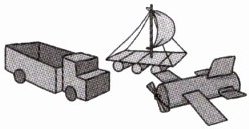
2. —Look! I use an empty can to g
—How c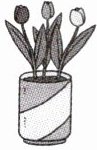
3. Be careful! Don’t break the g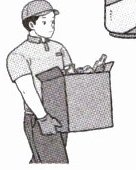
4. Alice is a new student in our class. I try to m
5. —What do you usually d
—I usually put it in the recycling bin.
1. We
made
the toys with
cardboard boxes last Thursday. 2. —Look! I use an empty can to g
row
flowers.—How c
lever
you are! 3. Be careful! Don’t break the g
lass
bottles. 4. Alice is a new student in our class. I try to m
ake
friends
with her.5. —What do you usually d
o
with
the waste paper?—I usually put it in the recycling bin.
答案:1. made; with 2. grow; clever 3. glass
4. make friends 5. do with
4. make friends 5. do with
解析:
【分析】
这类题需结合句子语境、首字母提示,同时考虑语法(如时态)、固定搭配等知识来填写单词。解题时先理解每句句意,再根据首字母联想符合语境的词汇,最后验证是否符合语法和固定搭配要求,逐一确定答案。
【解析】
1. 句中时间状语为last Thursday,需用一般过去时;固定搭配“用……制作某物”为make...with...,make的过去式是made,故填made;with。
2. 第一空:结合首字母g和“用空罐子……花”的语境,填grow(种植);第二空:结合首字母c和感叹对方的语境,填clever(聪明的)。
3. 结合首字母g和“不要打碎……瓶子”的语境,glass(玻璃)作定语修饰bottles,故填glass。
4. 固定搭配“和某人交朋友”为make friends with sb,try to后接动词原形,故填make friends。
5. 固定搭配“处理”为do with,常用搭配为what do with...,故填do;with。
【答案】
1. made; with 2. grow; clever 3. glass 4. make friends 5. do with
【知识点】
一般过去时、固定搭配、名词作定语
【点评】
本题考查基础词汇及固定搭配的运用,需结合语境、首字母及语法知识填写,注重学生对基础知识点的掌握,难度适中。
【难度系数】
0.5
这类题需结合句子语境、首字母提示,同时考虑语法(如时态)、固定搭配等知识来填写单词。解题时先理解每句句意,再根据首字母联想符合语境的词汇,最后验证是否符合语法和固定搭配要求,逐一确定答案。
【解析】
1. 句中时间状语为last Thursday,需用一般过去时;固定搭配“用……制作某物”为make...with...,make的过去式是made,故填made;with。
2. 第一空:结合首字母g和“用空罐子……花”的语境,填grow(种植);第二空:结合首字母c和感叹对方的语境,填clever(聪明的)。
3. 结合首字母g和“不要打碎……瓶子”的语境,glass(玻璃)作定语修饰bottles,故填glass。
4. 固定搭配“和某人交朋友”为make friends with sb,try to后接动词原形,故填make friends。
5. 固定搭配“处理”为do with,常用搭配为what do with...,故填do;with。
【答案】
1. made; with 2. grow; clever 3. glass 4. make friends 5. do with
【知识点】
一般过去时、固定搭配、名词作定语
【点评】
本题考查基础词汇及固定搭配的运用,需结合语境、首字母及语法知识填写,注重学生对基础知识点的掌握,难度适中。
【难度系数】
0.5
四、阅读对话,用“What ...!”或“How ...!”改写画线句子。
Lucy: Hi, Jack! Look at my pencil case. I made it with a cardboard box.
Jack: 1. It is very nice.
Lucy: Thanks! I also made a small basket with plastic bottles.
Jack: Wow! 2. That idea is great.
Lucy: What’s that on your desk? Is the flower pot made with a can?
Jack: Yes!
Lucy: 3. It is so useful.
Jack: 4. These things are so interesting.
Lucy: Let’s make more things to protect the Earth!
1.
3.
Lucy: Hi, Jack! Look at my pencil case. I made it with a cardboard box.
Jack: 1. It is very nice.
Lucy: Thanks! I also made a small basket with plastic bottles.
Jack: Wow! 2. That idea is great.
Lucy: What’s that on your desk? Is the flower pot made with a can?
Jack: Yes!
Lucy: 3. It is so useful.
Jack: 4. These things are so interesting.
Lucy: Let’s make more things to protect the Earth!
1.
How nice!
2. What a great idea!
3.
How useful!
4. What interesting things!
答案:1. How nice!
2. What a great idea!
3. How useful!
4. What interesting things!
2. What a great idea!
3. How useful!
4. What interesting things!
解析:
【分析】
首先明确英语中感叹句的两种核心结构:①How引导的感叹句,用于修饰形容词或副词,常用省略主语谓语的形式为“How + 形容词/副词!”;②What引导的感叹句,用于修饰名词,可数名词单数前加a/an,复数名词直接用“What + 形容词 + 名词!”。再逐个分析画线句的核心修饰对象:1句核心是形容词nice,2句核心是可数名词单数idea,3句核心是形容词useful,4句核心是复数名词things,对应选择合适的感叹句结构改写。
【解析】
根据感叹句结构规则改写:1. 画线句核心修饰形容词nice,用How引导,省略主语谓语,改写为How nice!;2. 画线句核心修饰可数名词单数idea,great为形容词,用“What a + 形容词 + 名词”结构,改写为What a great idea!;3. 画线句核心修饰形容词useful,用How引导,改写为How useful!;4. 画线句核心修饰复数名词things,interesting为形容词,用“What + 形容词 + 复数名词”结构,改写为What interesting things!。
【答案】
1. How nice!
2. What a great idea!
3. How useful!
4. What interesting things!
【知识点】
感叹句的构成,How引导感叹句,What引导感叹句
【点评】
本题考查英语基础感叹句的转换,需掌握How与What引导感叹句的结构差异,区分修饰对象(形容词/副词或名词),属于常规基础语法题型,难度较低。
【难度系数】
0.3
首先明确英语中感叹句的两种核心结构:①How引导的感叹句,用于修饰形容词或副词,常用省略主语谓语的形式为“How + 形容词/副词!”;②What引导的感叹句,用于修饰名词,可数名词单数前加a/an,复数名词直接用“What + 形容词 + 名词!”。再逐个分析画线句的核心修饰对象:1句核心是形容词nice,2句核心是可数名词单数idea,3句核心是形容词useful,4句核心是复数名词things,对应选择合适的感叹句结构改写。
【解析】
根据感叹句结构规则改写:1. 画线句核心修饰形容词nice,用How引导,省略主语谓语,改写为How nice!;2. 画线句核心修饰可数名词单数idea,great为形容词,用“What a + 形容词 + 名词”结构,改写为What a great idea!;3. 画线句核心修饰形容词useful,用How引导,改写为How useful!;4. 画线句核心修饰复数名词things,interesting为形容词,用“What + 形容词 + 复数名词”结构,改写为What interesting things!。
【答案】
1. How nice!
2. What a great idea!
3. How useful!
4. What interesting things!
【知识点】
感叹句的构成,How引导感叹句,What引导感叹句
【点评】
本题考查英语基础感叹句的转换,需掌握How与What引导感叹句的结构差异,区分修饰对象(形容词/副词或名词),属于常规基础语法题型,难度较低。
【难度系数】
0.3