五、从方框中选择合适的句子补全对话(其中有一个多余句子)。
A. What’s your uncle’s job?
B. He also helps take care of pets.
C. I’m proud of him.
D. What does he do as a helper?
E. He helps them go to hospital too.
F. He’s a member of our city’s volunteer team.
Ariel: What does your uncle usually do at weekends?
David: He usually does some volunteer work. 1.
Ariel: That sounds great! 2.
David: He helps old people with shopping. 3.
Ariel: Does he also help other people?
David: Sure! 4.
Ariel: Wow! Your uncle does so many great things.
David: Yes. 5.
A. What’s your uncle’s job?
B. He also helps take care of pets.
C. I’m proud of him.
D. What does he do as a helper?
E. He helps them go to hospital too.
F. He’s a member of our city’s volunteer team.
Ariel: What does your uncle usually do at weekends?
David: He usually does some volunteer work. 1.
F
Ariel: That sounds great! 2.
D
David: He helps old people with shopping. 3.
E
Ariel: Does he also help other people?
David: Sure! 4.
B
Sometimes people are away from home, and their pets are alone at home.Ariel: Wow! Your uncle does so many great things.
David: Yes. 5.
C
He makes our city better.答案:1. F 2. D 3. E 4. B 5. C
解析:
【分析】
通读对话可知,对话围绕David的叔叔做志愿工作展开,需结合上下文的问答逻辑、话题连贯性选择合适的句子:第1空承接“做志愿工作”,应介绍叔叔的身份;第2空根据答语“帮助老人购物”,是询问具体做的志愿内容;第3空承接帮助老人的话题,补充另一个帮助老人的行为;第4空根据后文提到的宠物,对应照顾宠物的内容;第5空总结对叔叔的情感态度。
【解析】
1. 前文David提到叔叔做志愿工作,此处需介绍叔叔的身份,F选项“他是我们城市志愿者团队的一员”符合语境,故1选F。
2. Ariel询问叔叔作为志愿者的具体工作,D选项“作为帮助者他做什么?”匹配答语的语境,故2选D。
3. David说叔叔帮老人购物,E选项“他也送他们去医院”是帮助老人的另一项内容,衔接自然,故3选E。
4. 后文提到宠物相关内容,B选项“他也帮忙照顾宠物”与话题呼应,故4选B。
5. 最后表达对叔叔的情感,C选项“我为他骄傲”符合总结语境,故5选C。
【答案】
1. F 2. D 3. E 4. B 5. C
【知识点】
情景交际、补全对话
【点评】
本题考查日常情景对话的运用,需结合上下文语境选择合适句子,难度适中,能帮助学生巩固日常话题的表达。
【难度系数】
0.6
通读对话可知,对话围绕David的叔叔做志愿工作展开,需结合上下文的问答逻辑、话题连贯性选择合适的句子:第1空承接“做志愿工作”,应介绍叔叔的身份;第2空根据答语“帮助老人购物”,是询问具体做的志愿内容;第3空承接帮助老人的话题,补充另一个帮助老人的行为;第4空根据后文提到的宠物,对应照顾宠物的内容;第5空总结对叔叔的情感态度。
【解析】
1. 前文David提到叔叔做志愿工作,此处需介绍叔叔的身份,F选项“他是我们城市志愿者团队的一员”符合语境,故1选F。
2. Ariel询问叔叔作为志愿者的具体工作,D选项“作为帮助者他做什么?”匹配答语的语境,故2选D。
3. David说叔叔帮老人购物,E选项“他也送他们去医院”是帮助老人的另一项内容,衔接自然,故3选E。
4. 后文提到宠物相关内容,B选项“他也帮忙照顾宠物”与话题呼应,故4选B。
5. 最后表达对叔叔的情感,C选项“我为他骄傲”符合总结语境,故5选C。
【答案】
1. F 2. D 3. E 4. B 5. C
【知识点】
情景交际、补全对话
【点评】
本题考查日常情景对话的运用,需结合上下文语境选择合适句子,难度适中,能帮助学生巩固日常话题的表达。
【难度系数】
0.6
六、阅读短文,选择正确的选项。
A project: raising silkworms at school
Our school will start a fun project-based learning activity: raising silkworms. All Grade 6 students will take part in this project.
We will go to the school science room every afternoon from 4:00 p.m. to 5:10 p.m. to look after silkworms. Our science teacher will give each group small silkworm eggs at the beginning of March. Here are the growth stages(生长阶段).
Step 1: Small black caterpillars(毛虫)will come out of the eggs after a few days. We will pick fresh green leaves and feed the little caterpillars every day.
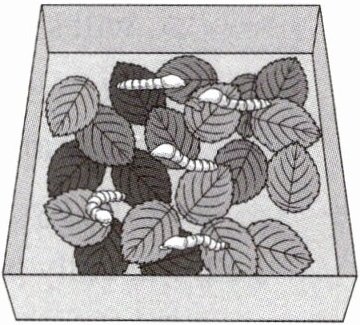
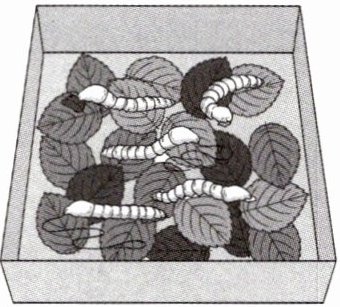
Step 2: The caterpillars will eat lots of leaves and slowly grow big and fat.
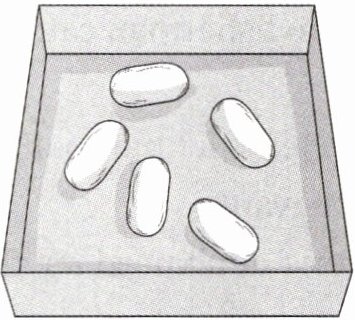
Step 3: Later in April, the fat caterpillars will stop eating leaves. They will make white cocoons(茧)and turn into pupae(蛹)inside them.
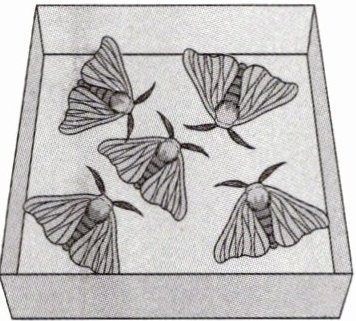
Step 4: Around mid-May, moths(蛾)will break the cocoons open.
Remember that we will draw the four growth stages of silkworms and share our diaries in class. We will also make colourful posters to show the silkworm’s life cycle.
(
A. Every afternoon. B. Every weekend.
C. Every morning. D. Every Friday.
(
A. Green leaves. B. Silkworm eggs.
C. Silkworm cocoons. D. Small moths.
(
A. eggs → caterpillars → pupae → moths
B. eggs → pupae → caterpillars → moths
C. caterpillars → eggs → pupae → moths
D. moths → pupae → caterpillars → eggs
(
A. In early March. B. In late April.
C. Around mid-May. D. In early June.
(
A. Draw silkworms’ growth stages.
B. Make posters about silkworms.
C. Keep diaries about silkworms.
D. Bring some green leaves from home.
(
A. To tell us how to do well at school.
B. To introduce the school’s silkworm-raising project.
C. To teach us how to keep diaries every day.
D. To show different kinds of insects in nature.
A project: raising silkworms at school
Our school will start a fun project-based learning activity: raising silkworms. All Grade 6 students will take part in this project.
We will go to the school science room every afternoon from 4:00 p.m. to 5:10 p.m. to look after silkworms. Our science teacher will give each group small silkworm eggs at the beginning of March. Here are the growth stages(生长阶段).
Step 1: Small black caterpillars(毛虫)will come out of the eggs after a few days. We will pick fresh green leaves and feed the little caterpillars every day.
Step 2: The caterpillars will eat lots of leaves and slowly grow big and fat.
Step 3: Later in April, the fat caterpillars will stop eating leaves. They will make white cocoons(茧)and turn into pupae(蛹)inside them.
Step 4: Around mid-May, moths(蛾)will break the cocoons open.
Remember that we will draw the four growth stages of silkworms and share our diaries in class. We will also make colourful posters to show the silkworm’s life cycle.
(
A
)1. When will students look after silkworms?A. Every afternoon. B. Every weekend.
C. Every morning. D. Every Friday.
(
B
)2. What will the teacher give students in early March?A. Green leaves. B. Silkworm eggs.
C. Silkworm cocoons. D. Small moths.
(
A
)3. Which is the right growing order of silkworms?A. eggs → caterpillars → pupae → moths
B. eggs → pupae → caterpillars → moths
C. caterpillars → eggs → pupae → moths
D. moths → pupae → caterpillars → eggs
(
C
)4. When will moths come out of cocoons?A. In early March. B. In late April.
C. Around mid-May. D. In early June.
(
D
)5. What will students NOT do in the project?A. Draw silkworms’ growth stages.
B. Make posters about silkworms.
C. Keep diaries about silkworms.
D. Bring some green leaves from home.
(
B
)6. What is the writing purpose(目的)of the passage?A. To tell us how to do well at school.
B. To introduce the school’s silkworm-raising project.
C. To teach us how to keep diaries every day.
D. To show different kinds of insects in nature.
答案:1. A 2. B 3. A 4. C 5. D 6. B
解析:
【分析】
这是一篇英语阅读理解题,解题思路为:针对细节类题目,通过定位题干关键词在短文中查找对应信息得出答案;针对顺序类题目,梳理短文描述的生长阶段步骤确定正确顺序;针对主旨类题目,总结短文核心内容判断写作目的。
【解析】
1. 定位原文第二段第一句“We will go to the school science room every afternoon from 4:00 p.m. to 5:10 p.m. to look after silkworms.”,可知照顾蚕的时间是every afternoon,故选A。
2. 定位原文第二段“Our science teacher will give each group small silkworm eggs at the beginning of March.”,可知三月初老师给学生蚕卵,故选B。
3. 梳理生长阶段:Step1卵孵化成毛虫→Step2毛虫长大→Step3毛虫结茧成蛹→Step4蛾破茧,正确顺序为eggs→caterpillars→pupae→moths,故选A。
4. 定位原文Step4“Around mid-May, moths will break the cocoons open.”,可知蛾破茧在五月中旬左右,故选C。
5. 定位原文最后一段“we will draw the four growth stages... share our diaries... make colourful posters”,未提及带绿叶回家,故选D。
6. 短文围绕学校的养蚕项目展开介绍,写作目的是介绍该项目,故选B。
【答案】1.A 2.B 3.A 4.C 5.D 6.B
【知识点】英语阅读理解、细节理解、主旨大意
【点评】本题为英语阅读理解基础题型,以细节查找为主,少量顺序和主旨题,学生只要认真阅读短文、准确定位信息即可解答,难度适中。
【难度系数】0.7
这是一篇英语阅读理解题,解题思路为:针对细节类题目,通过定位题干关键词在短文中查找对应信息得出答案;针对顺序类题目,梳理短文描述的生长阶段步骤确定正确顺序;针对主旨类题目,总结短文核心内容判断写作目的。
【解析】
1. 定位原文第二段第一句“We will go to the school science room every afternoon from 4:00 p.m. to 5:10 p.m. to look after silkworms.”,可知照顾蚕的时间是every afternoon,故选A。
2. 定位原文第二段“Our science teacher will give each group small silkworm eggs at the beginning of March.”,可知三月初老师给学生蚕卵,故选B。
3. 梳理生长阶段:Step1卵孵化成毛虫→Step2毛虫长大→Step3毛虫结茧成蛹→Step4蛾破茧,正确顺序为eggs→caterpillars→pupae→moths,故选A。
4. 定位原文Step4“Around mid-May, moths will break the cocoons open.”,可知蛾破茧在五月中旬左右,故选C。
5. 定位原文最后一段“we will draw the four growth stages... share our diaries... make colourful posters”,未提及带绿叶回家,故选D。
6. 短文围绕学校的养蚕项目展开介绍,写作目的是介绍该项目,故选B。
【答案】1.A 2.B 3.A 4.C 5.D 6.B
【知识点】英语阅读理解、细节理解、主旨大意
【点评】本题为英语阅读理解基础题型,以细节查找为主,少量顺序和主旨题,学生只要认真阅读短文、准确定位信息即可解答,难度适中。
【难度系数】0.7