七、阅读短文,回答问题(10分)
Chinese embroidery(刺绣)has a history of over 2,000 years. It started during the Shang Dynasty when people used it to make clothing more beautiful. Over time, it became an important part of Chinese culture, showing the skills and creativity of different places.
There are four famous embroidery styles in China. Su embroidery from Jiangsu uses very thin silk threads(线). Artists spend months making pictures look real. Some works even show the same design perfectly on both sides of the cloth. Shu embroidery from Sichuan is known for bright colours. It often shows things from Sichuan like pandas eating bamboo or foggy mountains.
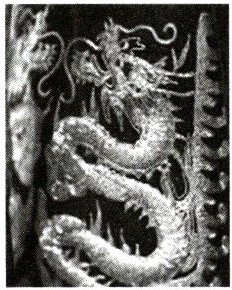
A special “fish-scale stitch”(鱼鳞针法)makes water animals look alive. Xiang embroidery from Hunan makes animal fur look shiny, while Yue embroidery from Guangdong uses golden threads for dragon patterns, which were once only for the king’s families.
Today, embroidery isn’t just for traditional clothes. You can also find it on modern daily objects like dresses, bags and even phone cases. To pass on this art form, China is bringing the skill of embroidery into schools and museums. For example, the Suzhou Embroidery School trains students old skills, while some museums use computers to let students try “digital embroidery”.
The government protects embroidery because each style tells stories about its hometown. By keeping these skills alive, China spreads its culture and connects traditions to modern life.
1. When did Chinese embroidery start?
2. What kind of embroidery may the picture in the passage show?
3. Where can we see embroidery today?
4. What is the Chinese government doing to pass on the valuable art form?
5. If you want to complete an embroidery piece, what picture will you make and why?
Chinese embroidery(刺绣)has a history of over 2,000 years. It started during the Shang Dynasty when people used it to make clothing more beautiful. Over time, it became an important part of Chinese culture, showing the skills and creativity of different places.
There are four famous embroidery styles in China. Su embroidery from Jiangsu uses very thin silk threads(线). Artists spend months making pictures look real. Some works even show the same design perfectly on both sides of the cloth. Shu embroidery from Sichuan is known for bright colours. It often shows things from Sichuan like pandas eating bamboo or foggy mountains.
A special “fish-scale stitch”(鱼鳞针法)makes water animals look alive. Xiang embroidery from Hunan makes animal fur look shiny, while Yue embroidery from Guangdong uses golden threads for dragon patterns, which were once only for the king’s families.
Today, embroidery isn’t just for traditional clothes. You can also find it on modern daily objects like dresses, bags and even phone cases. To pass on this art form, China is bringing the skill of embroidery into schools and museums. For example, the Suzhou Embroidery School trains students old skills, while some museums use computers to let students try “digital embroidery”.
The government protects embroidery because each style tells stories about its hometown. By keeping these skills alive, China spreads its culture and connects traditions to modern life.
1. When did Chinese embroidery start?
Over 2,000 years ago./During the Shang Dynasty.
2. What kind of embroidery may the picture in the passage show?
Yue embroidery.
3. Where can we see embroidery today?
On traditional clothes and modern daily objects.
4. What is the Chinese government doing to pass on the valuable art form?
It's bringing embroidery into schools and museums.
5. If you want to complete an embroidery piece, what picture will you make and why?
The picture of Taihu Lake. Because it's beautiful.
答案:1. Over 2,000 years ago./During the Shang Dynasty.
2. Yue embroidery.
3. On traditional clothes and modern daily objects.
4. It's bringing embroidery into schools and museums.
5. The picture of Taihu Lake. Because it's beautiful.
2. Yue embroidery.
3. On traditional clothes and modern daily objects.
4. It's bringing embroidery into schools and museums.
5. The picture of Taihu Lake. Because it's beautiful.
解析:
【分析】本题为英语阅读理解题,解题思路如下:1. 先通读全文,把握文章关于中国刺绣的起源、种类、现状及传承的核心内容;2. 针对每个问题,定位原文对应段落,提取关键信息作答;3. 第5题为开放性问题,结合文章主题合理表达即可。
【解析】1. 根据第一段“Chinese embroidery has a history of over 2,000 years. It started during the Shang Dynasty...”可知,刺绣始于商朝,距今2000多年前;2. 图片为龙的图案,第三段提到“Yue embroidery from Guangdong uses golden threads for dragon patterns...”,故对应粤绣;3. 根据第四段“Today, embroidery isn’t just for traditional clothes. You can also find it on modern daily objects like dresses, bags and even phone cases.”可知;4. 根据第四段“To pass on this art form, China is bringing the skill of embroidery into schools and museums.”可知;5. 开放性问题,结合文章主题合理表达即可,参考答案给出的太湖相关符合要求。
【答案】1. Over 2,000 years ago./During the Shang Dynasty.
2. Yue embroidery.
3. On traditional clothes and modern daily objects.
4. It's bringing embroidery into schools and museums.
5. The picture of Taihu Lake. Because it's beautiful.
【知识点】英语阅读理解、细节信息提取、开放性问题表达
【点评】本题以中国刺绣为主题,考查学生的英语阅读能力,涵盖细节查找和开放表达,有助于学生了解中国传统文化,难度适中。
【难度系数】0.6
【解析】1. 根据第一段“Chinese embroidery has a history of over 2,000 years. It started during the Shang Dynasty...”可知,刺绣始于商朝,距今2000多年前;2. 图片为龙的图案,第三段提到“Yue embroidery from Guangdong uses golden threads for dragon patterns...”,故对应粤绣;3. 根据第四段“Today, embroidery isn’t just for traditional clothes. You can also find it on modern daily objects like dresses, bags and even phone cases.”可知;4. 根据第四段“To pass on this art form, China is bringing the skill of embroidery into schools and museums.”可知;5. 开放性问题,结合文章主题合理表达即可,参考答案给出的太湖相关符合要求。
【答案】1. Over 2,000 years ago./During the Shang Dynasty.
2. Yue embroidery.
3. On traditional clothes and modern daily objects.
4. It's bringing embroidery into schools and museums.
5. The picture of Taihu Lake. Because it's beautiful.
【知识点】英语阅读理解、细节信息提取、开放性问题表达
【点评】本题以中国刺绣为主题,考查学生的英语阅读能力,涵盖细节查找和开放表达,有助于学生了解中国传统文化,难度适中。
【难度系数】0.6
八、书面表达(30分)
艺术陶冶情操,涵养生命,丰富人生。各种艺术形式精彩纷呈,舞蹈、歌唱、音乐、表演、戏剧、书法、绘画、剪纸、泥塑等数不胜数。请你用英语写一篇100词左右的短文,向大家介绍你最喜欢的艺术形式。开头已经给出,不计入总词数。
提示:1. What is your favourite art form?
2. Why do you like it? Tell a story about it.
3. How does it influence you?
My Favourite Art Form
Art is everywhere in our lives.
艺术陶冶情操,涵养生命,丰富人生。各种艺术形式精彩纷呈,舞蹈、歌唱、音乐、表演、戏剧、书法、绘画、剪纸、泥塑等数不胜数。请你用英语写一篇100词左右的短文,向大家介绍你最喜欢的艺术形式。开头已经给出,不计入总词数。
提示:1. What is your favourite art form?
2. Why do you like it? Tell a story about it.
3. How does it influence you?
My Favourite Art Form
Art is everywhere in our lives.
答案:My Favourite Art Form
Art is everywhere in our lives. Among all the art forms, my favourite is Chinese painting.
My love of Chinese painting began when my mother took me to an art museum. I was deeply attracted by those wonderful Chinese paintings. They reminded me of the beauty and peace hidden in Chinese culture. After the trip, I made up my mind to learn it. However, it is far more difficult than I expected, for it needs endless practice and great patience.
Day after day, I took pleasure in producing better works. Chinese painting has not only made me more patient and focused, but also let me learn much more about traditional Chinese culture. It is a treasure that never loses its value. I will keep learning and practising it.
Art is everywhere in our lives. Among all the art forms, my favourite is Chinese painting.
My love of Chinese painting began when my mother took me to an art museum. I was deeply attracted by those wonderful Chinese paintings. They reminded me of the beauty and peace hidden in Chinese culture. After the trip, I made up my mind to learn it. However, it is far more difficult than I expected, for it needs endless practice and great patience.
Day after day, I took pleasure in producing better works. Chinese painting has not only made me more patient and focused, but also let me learn much more about traditional Chinese culture. It is a treasure that never loses its value. I will keep learning and practising it.
解析:
【分析】
首先明确题目要求:需写一篇100词左右的英语短文介绍最喜欢的艺术形式,开头已给出,要涵盖三个要点:最喜欢的艺术形式、喜欢的原因(结合具体故事)、对自己的影响。解题思路:1. 选择易展开且贴合文化的艺术形式(如中国画);2. 围绕“原因”设计真实具体的事例(如妈妈带去博物馆的经历);3. 结合事例阐述对自身的影响(如培养耐心、了解传统文化);4. 控制词数,保证语言流畅、符合英语表达习惯。
【解析】
第一步:承接开头,点明最喜欢的艺术形式:Among all the art forms, my favourite is Chinese painting.
第二步:讲述喜欢的原因及故事:My love of Chinese painting began when my mother took me to an art museum. I was deeply attracted by those wonderful Chinese paintings. They reminded me of the beauty and peace hidden in Chinese culture. After the trip, I made up my mind to learn it. However, it is far more difficult than I expected, for it needs endless practice and great patience.
第三步:阐述艺术对自己的影响:Day after day, I took pleasure in producing better works. Chinese painting has not only made me more patient and focused, but also let me learn much more about traditional Chinese culture. It is a treasure that never loses its value. I will keep learning and practising it.
注意:总词数符合要求,结构清晰,覆盖所有提示要点。
【答案】
My Favourite Art Form
Art is everywhere in our lives. Among all the art forms, my favourite is Chinese painting.
My love of Chinese painting began when my mother took me to an art museum. I was deeply attracted by those wonderful Chinese paintings. They reminded me of the beauty and peace hidden in Chinese culture. After the trip, I made up my mind to learn it. However, it is far more difficult than I expected, for it needs endless practice and great patience.
Day after day, I took pleasure in producing better works. Chinese painting has not only made me more patient and focused, but also let me learn much more about traditional Chinese culture. It is a treasure that never loses its value. I will keep learning and practising it.
【知识点】
英语书面表达、艺术话题英语写作
【点评】
本文紧扣题目要求,结构清晰,内容完整,涵盖所有提示要点;语言流畅自然,用词恰当,体现了对传统文化的热爱,符合初中英语书面表达的写作要求。
【难度系数】
0.6
首先明确题目要求:需写一篇100词左右的英语短文介绍最喜欢的艺术形式,开头已给出,要涵盖三个要点:最喜欢的艺术形式、喜欢的原因(结合具体故事)、对自己的影响。解题思路:1. 选择易展开且贴合文化的艺术形式(如中国画);2. 围绕“原因”设计真实具体的事例(如妈妈带去博物馆的经历);3. 结合事例阐述对自身的影响(如培养耐心、了解传统文化);4. 控制词数,保证语言流畅、符合英语表达习惯。
【解析】
第一步:承接开头,点明最喜欢的艺术形式:Among all the art forms, my favourite is Chinese painting.
第二步:讲述喜欢的原因及故事:My love of Chinese painting began when my mother took me to an art museum. I was deeply attracted by those wonderful Chinese paintings. They reminded me of the beauty and peace hidden in Chinese culture. After the trip, I made up my mind to learn it. However, it is far more difficult than I expected, for it needs endless practice and great patience.
第三步:阐述艺术对自己的影响:Day after day, I took pleasure in producing better works. Chinese painting has not only made me more patient and focused, but also let me learn much more about traditional Chinese culture. It is a treasure that never loses its value. I will keep learning and practising it.
注意:总词数符合要求,结构清晰,覆盖所有提示要点。
【答案】
My Favourite Art Form
Art is everywhere in our lives. Among all the art forms, my favourite is Chinese painting.
My love of Chinese painting began when my mother took me to an art museum. I was deeply attracted by those wonderful Chinese paintings. They reminded me of the beauty and peace hidden in Chinese culture. After the trip, I made up my mind to learn it. However, it is far more difficult than I expected, for it needs endless practice and great patience.
Day after day, I took pleasure in producing better works. Chinese painting has not only made me more patient and focused, but also let me learn much more about traditional Chinese culture. It is a treasure that never loses its value. I will keep learning and practising it.
【知识点】
英语书面表达、艺术话题英语写作
【点评】
本文紧扣题目要求,结构清晰,内容完整,涵盖所有提示要点;语言流畅自然,用词恰当,体现了对传统文化的热爱,符合初中英语书面表达的写作要求。
【难度系数】
0.6