四、阅读理解
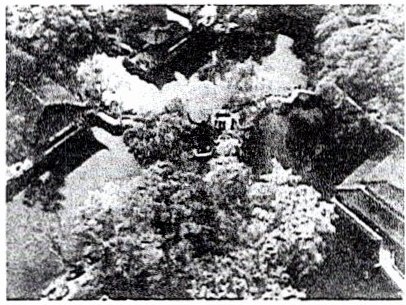
The Classical Gardens of Suzhou, which are also called Suzhou Gardens, are a group of beautiful gardens in the city of Suzhou in Jiangsu Province. The first classical garden was created during the Spring and Autumn Period in the 6th century B.C. More gardens were built in the following centuries and most of them were personal gardens of scholars(学者)and officials(官员)of that time. During the Ming and Qing dynasties, the construction(建设)of the gardens came to its best time because of the prosperity of Suzhou in that period. It's said that there were over 200 gardens all over the city and Suzhou was considered as the "Paradise on Earth" and the "City of Gardens".
Nowadays,88 of the 108 well-protected gardens are open to the public as tourist attractions. Among them,some famous gardens are considered as examples of Suzhou Gardens,such as Humble Administrator's Garden,Lingering Garden,Master-of-Nets Garden and so on.
Suzhou Gardens in many ways explain the ideas behind classical Chinese garden design. Their owners were not just interested in growing plants and flowers. They used history,philosophy(哲学),art and architecture(建筑学)in their designs. Each element(要素)of a classical Chinese garden—each hill,pond,plant and rock—is filled with meaning. Although every element was carefully designed,the end purpose was always to have a garden which looked like it was created by nature,without the help of human hands.
Suzhou Gardens represent the development and maturity(成熟)of Chinese garden design of more than two thousand years. They are national 5A tourist attractions in China and some groups of them have been added to UNESCO World Cultural Heritage List(世界文化遗产名录).
()1. When was the first classical Suzhou Garden built?
A. During the Ming dynasty.
B. During the Qing dynasty.
C. In the 5th century B.C.
D. During the Spring and Autumn Period.
()2. What does the underlined word "prosperity" probably mean in the first paragraph?
A. Being poor.
B. Being rich.
C. Being beautiful.
D. Being attractive.
()3. What does the third paragraph mainly tell us?
A. The history of Suzhou Gardens.
B. The examples of Suzhou Gardens.
C. The great achievements of Suzhou Gardens.
D. The ideas behind the design of Suzhou Gardens.
()4. What can we learn from the passage?
A. Half of the well-protected gardens are open to the public.
B. Each element of a classical Chinese garden has its meaning.
C. Suzhou Gardens were built without the help of human hands.
D. All the gardens were built for scholars and officials in the past.
Exercise 2 of Unit 1 of 9B Reading(Ⅱ)
The Classical Gardens of Suzhou, which are also called Suzhou Gardens, are a group of beautiful gardens in the city of Suzhou in Jiangsu Province. The first classical garden was created during the Spring and Autumn Period in the 6th century B.C. More gardens were built in the following centuries and most of them were personal gardens of scholars(学者)and officials(官员)of that time. During the Ming and Qing dynasties, the construction(建设)of the gardens came to its best time because of the prosperity of Suzhou in that period. It's said that there were over 200 gardens all over the city and Suzhou was considered as the "Paradise on Earth" and the "City of Gardens".
Nowadays,88 of the 108 well-protected gardens are open to the public as tourist attractions. Among them,some famous gardens are considered as examples of Suzhou Gardens,such as Humble Administrator's Garden,Lingering Garden,Master-of-Nets Garden and so on.
Suzhou Gardens in many ways explain the ideas behind classical Chinese garden design. Their owners were not just interested in growing plants and flowers. They used history,philosophy(哲学),art and architecture(建筑学)in their designs. Each element(要素)of a classical Chinese garden—each hill,pond,plant and rock—is filled with meaning. Although every element was carefully designed,the end purpose was always to have a garden which looked like it was created by nature,without the help of human hands.
Suzhou Gardens represent the development and maturity(成熟)of Chinese garden design of more than two thousand years. They are national 5A tourist attractions in China and some groups of them have been added to UNESCO World Cultural Heritage List(世界文化遗产名录).
()1. When was the first classical Suzhou Garden built?
A. During the Ming dynasty.
B. During the Qing dynasty.
C. In the 5th century B.C.
D. During the Spring and Autumn Period.
()2. What does the underlined word "prosperity" probably mean in the first paragraph?
A. Being poor.
B. Being rich.
C. Being beautiful.
D. Being attractive.
()3. What does the third paragraph mainly tell us?
A. The history of Suzhou Gardens.
B. The examples of Suzhou Gardens.
C. The great achievements of Suzhou Gardens.
D. The ideas behind the design of Suzhou Gardens.
()4. What can we learn from the passage?
A. Half of the well-protected gardens are open to the public.
B. Each element of a classical Chinese garden has its meaning.
C. Suzhou Gardens were built without the help of human hands.
D. All the gardens were built for scholars and officials in the past.
Exercise 2 of Unit 1 of 9B Reading(Ⅱ)
答案:1 - 4 DBDB
解析:
翻译:
### 四、阅读理解
苏州古典园林,又称苏州园林,是江苏省苏州市的一组美丽园林。第一座古典园林建于公元前6世纪的春秋时期。在接下来的几个世纪里,更多的园林被建造起来,其中大部分是当时学者和官员的私家园林。明清时期,由于当时苏州的繁荣,园林建设达到了鼎盛时期。据说当时全城有200多座园林,苏州被视为“人间天堂”和“园林之城”。
如今,在108座保护良好的园林中,有88座作为旅游景点向公众开放。其中,一些著名的园林被视为苏州园林的典范,如拙政园、留园、网师园等。
苏州园林在很多方面诠释了中国古典园林设计背后的理念。它们的主人不仅仅对种植花草感兴趣。他们在设计中运用了历史、哲学、艺术和建筑学。中国古典园林的每一个要素——每一座山、每一个池塘、每一株植物和每一块石头——都充满了意义。尽管每个要素都经过精心设计,但最终的目的始终是打造一个看起来像是自然形成的、而非人工雕琢的园林。
苏州园林代表了中国两千多年园林设计的发展和成熟。它们是中国的国家5A级旅游景区,其中一些园林群已被列入联合国教科文组织世界文化遗产名录。
1. 第一座苏州古典园林是什么时候建造的?
A. 明朝时期。
B. 清朝时期。
C. 公元前5世纪。
D. 春秋时期。
2. 第一段中划线单词“prosperity”可能是什么意思?
A. 贫穷。
B. 繁荣。
C. 美丽。
D. 有吸引力。
3. 第三段主要告诉我们什么?
A. 苏州园林的历史。
B. 苏州园林的例子。
C. 苏州园林的伟大成就。
D. 苏州园林设计背后的理念。
4. 我们从这篇文章中能了解到什么?
A. 一半保护良好的园林向公众开放。
B. 中国古典园林的每一个要素都有其意义。
C. 苏州园林是在没有人工帮助的情况下建造的。
D. 过去所有的园林都是为学者和官员建造的。
### 四、阅读理解
苏州古典园林,又称苏州园林,是江苏省苏州市的一组美丽园林。第一座古典园林建于公元前6世纪的春秋时期。在接下来的几个世纪里,更多的园林被建造起来,其中大部分是当时学者和官员的私家园林。明清时期,由于当时苏州的繁荣,园林建设达到了鼎盛时期。据说当时全城有200多座园林,苏州被视为“人间天堂”和“园林之城”。
如今,在108座保护良好的园林中,有88座作为旅游景点向公众开放。其中,一些著名的园林被视为苏州园林的典范,如拙政园、留园、网师园等。
苏州园林在很多方面诠释了中国古典园林设计背后的理念。它们的主人不仅仅对种植花草感兴趣。他们在设计中运用了历史、哲学、艺术和建筑学。中国古典园林的每一个要素——每一座山、每一个池塘、每一株植物和每一块石头——都充满了意义。尽管每个要素都经过精心设计,但最终的目的始终是打造一个看起来像是自然形成的、而非人工雕琢的园林。
苏州园林代表了中国两千多年园林设计的发展和成熟。它们是中国的国家5A级旅游景区,其中一些园林群已被列入联合国教科文组织世界文化遗产名录。
1. 第一座苏州古典园林是什么时候建造的?
A. 明朝时期。
B. 清朝时期。
C. 公元前5世纪。
D. 春秋时期。
2. 第一段中划线单词“prosperity”可能是什么意思?
A. 贫穷。
B. 繁荣。
C. 美丽。
D. 有吸引力。
3. 第三段主要告诉我们什么?
A. 苏州园林的历史。
B. 苏州园林的例子。
C. 苏州园林的伟大成就。
D. 苏州园林设计背后的理念。
4. 我们从这篇文章中能了解到什么?
A. 一半保护良好的园林向公众开放。
B. 中国古典园林的每一个要素都有其意义。
C. 苏州园林是在没有人工帮助的情况下建造的。
D. 过去所有的园林都是为学者和官员建造的。