四、阅读理解
Astronauts would face danger both getting to and surviving on Mars. Let's learn about surviving a trip to Mars.
What would it take to keep people safe and healthy on a trip to Mars? Scientists are already working on it though the trip may be many years later.
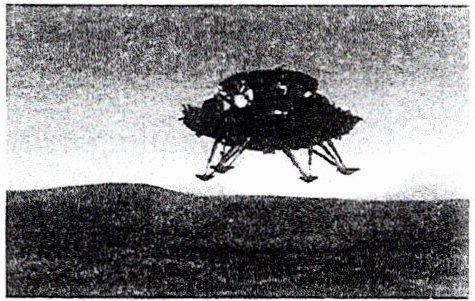
Over the last 60 years, many spacecraft have flown by, orbited (沿轨道运行) and even landed on the red planet. However, humans could work faster and smarter than machines. That's why the United States, China and other countries want to send people to Mars. But surviving this trip would not be easy.
A trip to Mars would be the farthest journey in human history. Mars is about 225 million kilometres away, so it would take astronauts at least six months to reach there. However, it only takes a few days to get to the Moon.
While space travel is never free of danger, it takes a lot more health risks to travel in space for a long time. For one thing, staying in space for long periods makes the human body weak. For another, it puts pressure (压力) behind the eyes and causes eye problems. But gravity machines could help.
Then there's space radiation (辐射) to worry about. It might raise the risk of health problems, especially for astronauts who will have long journeys. Scientists are working out the problems. They have found taking certain vitamins (维生素) can help.
Astronauts will have to pack light to lift off from Earth. But they won't be able to get things they need like astronauts on the space station do. Astronauts on the space station practise for this by growing lettuce and other food in space. Engineers are developing 3-D printing techniques (技术) which could allow future Mars astronauts to build tools as needed.
(
A. A few days.
B. At least six weeks.
C. At least six months.
D. Over one year.
(
A. Spacecraft couldn't work on Mars.
B. A trip to the Moon would be the farthest journey in human history.
C. Space radiation might raise the risk of health problems for astronauts.
D. Taking certain vitamins can help reduce pressure behind the eyes in space.
(
A. some scientists have survived on Mars
B. Mars astronauts will be able to get things they need
C. Mars astronauts can grow lettuce and other food now
D. future Mars astronauts could print the tools they need on the spacecraft
(
A. surviving a trip to Mars
B. spacecraft landing on Mars
C. future Mars astronauts
D. faster and smarter humans
Exercise 2 of Unit 4 of 9B Grammar & Integrated skills & Study skills
Astronauts would face danger both getting to and surviving on Mars. Let's learn about surviving a trip to Mars.
What would it take to keep people safe and healthy on a trip to Mars? Scientists are already working on it though the trip may be many years later.
Over the last 60 years, many spacecraft have flown by, orbited (沿轨道运行) and even landed on the red planet. However, humans could work faster and smarter than machines. That's why the United States, China and other countries want to send people to Mars. But surviving this trip would not be easy.
A trip to Mars would be the farthest journey in human history. Mars is about 225 million kilometres away, so it would take astronauts at least six months to reach there. However, it only takes a few days to get to the Moon.
While space travel is never free of danger, it takes a lot more health risks to travel in space for a long time. For one thing, staying in space for long periods makes the human body weak. For another, it puts pressure (压力) behind the eyes and causes eye problems. But gravity machines could help.
Then there's space radiation (辐射) to worry about. It might raise the risk of health problems, especially for astronauts who will have long journeys. Scientists are working out the problems. They have found taking certain vitamins (维生素) can help.
Astronauts will have to pack light to lift off from Earth. But they won't be able to get things they need like astronauts on the space station do. Astronauts on the space station practise for this by growing lettuce and other food in space. Engineers are developing 3-D printing techniques (技术) which could allow future Mars astronauts to build tools as needed.
(
C
) 1. How long would it take astronauts to reach Mars?A. A few days.
B. At least six weeks.
C. At least six months.
D. Over one year.
(
C
) 2. According to the passage, which of the following is TRUE?A. Spacecraft couldn't work on Mars.
B. A trip to the Moon would be the farthest journey in human history.
C. Space radiation might raise the risk of health problems for astronauts.
D. Taking certain vitamins can help reduce pressure behind the eyes in space.
(
D
) 3. In the last paragraph, the writer implies (暗示) that .A. some scientists have survived on Mars
B. Mars astronauts will be able to get things they need
C. Mars astronauts can grow lettuce and other food now
D. future Mars astronauts could print the tools they need on the spacecraft
(
A
) 4. The passage mainly talks about .A. surviving a trip to Mars
B. spacecraft landing on Mars
C. future Mars astronauts
D. faster and smarter humans
Exercise 2 of Unit 4 of 9B Grammar & Integrated skills & Study skills
答案:四、1-4 CCDA
解析:
翻译:
### 四、阅读理解
宇航员在前往火星和在火星上生存都会面临危险。让我们来了解一下火星之旅的生存问题。
要确保人们在火星之旅中安全健康需要什么条件呢?尽管这次旅行可能还要等很多年,但科学家们已经在着手研究了。
在过去的60年里,许多航天器飞过、环绕甚至登陆过这颗红色星球。然而,人类能比机器工作得更快、更聪明。这就是为什么美国、中国和其他国家想要把人送上火星。但在这次旅行中生存下来并不容易。
火星之旅将是人类历史上最遥远的旅程。火星距离地球约2.25亿公里,所以宇航员至少需要六个月才能到达那里。然而,到达月球只需要几天时间。
虽然太空旅行从来都不是没有危险的,但长时间在太空旅行会带来更多的健康风险。一方面,长时间待在太空中会使人体变得虚弱。另一方面,它会给眼睛后部带来压力,导致眼部问题。但重力机器可能会有所帮助。
然后还有太空辐射需要担心。它可能会增加健康问题的风险,尤其是对于将进行长途旅行的宇航员来说。科学家们正在解决这些问题。他们发现服用某些维生素会有所帮助。
宇航员从地球起飞时必须轻装。但他们将无法像空间站的宇航员那样获得他们需要的东西。空间站的宇航员通过在太空中种植生菜和其他食物来为此进行练习。工程师们正在开发3D打印技术,这将使未来的火星宇航员能够根据需要制造工具。
1. 宇航员到达火星需要多长时间?
A. 几天。
B. 至少六周。
C. 至少六个月。
D. 一年多。
2. 根据文章,以下哪项是正确的?
A. 航天器无法在火星上工作。
B. 月球之旅将是人类历史上最遥远的旅程。
C. 太空辐射可能会增加宇航员健康问题的风险。
D. 服用某些维生素有助于减轻太空中眼睛后部的压力。
3. 在最后一段中,作者暗示________。
A. 一些科学家已经在火星上生存下来
B. 火星宇航员将能够获得他们需要的东西
C. 火星宇航员现在可以种植生菜和其他食物
D. 未来的火星宇航员可以在航天器上打印他们需要的工具
4. 这篇文章主要谈论的是________。
A. 火星之旅的生存问题
B. 航天器登陆火星
C. 未来的火星宇航员
D. 更快、更聪明的人类
九年级下册第四单元练习2 语法、综合技能与学习技能
### 四、阅读理解
宇航员在前往火星和在火星上生存都会面临危险。让我们来了解一下火星之旅的生存问题。
要确保人们在火星之旅中安全健康需要什么条件呢?尽管这次旅行可能还要等很多年,但科学家们已经在着手研究了。
在过去的60年里,许多航天器飞过、环绕甚至登陆过这颗红色星球。然而,人类能比机器工作得更快、更聪明。这就是为什么美国、中国和其他国家想要把人送上火星。但在这次旅行中生存下来并不容易。
火星之旅将是人类历史上最遥远的旅程。火星距离地球约2.25亿公里,所以宇航员至少需要六个月才能到达那里。然而,到达月球只需要几天时间。
虽然太空旅行从来都不是没有危险的,但长时间在太空旅行会带来更多的健康风险。一方面,长时间待在太空中会使人体变得虚弱。另一方面,它会给眼睛后部带来压力,导致眼部问题。但重力机器可能会有所帮助。
然后还有太空辐射需要担心。它可能会增加健康问题的风险,尤其是对于将进行长途旅行的宇航员来说。科学家们正在解决这些问题。他们发现服用某些维生素会有所帮助。
宇航员从地球起飞时必须轻装。但他们将无法像空间站的宇航员那样获得他们需要的东西。空间站的宇航员通过在太空中种植生菜和其他食物来为此进行练习。工程师们正在开发3D打印技术,这将使未来的火星宇航员能够根据需要制造工具。
1. 宇航员到达火星需要多长时间?
A. 几天。
B. 至少六周。
C. 至少六个月。
D. 一年多。
2. 根据文章,以下哪项是正确的?
A. 航天器无法在火星上工作。
B. 月球之旅将是人类历史上最遥远的旅程。
C. 太空辐射可能会增加宇航员健康问题的风险。
D. 服用某些维生素有助于减轻太空中眼睛后部的压力。
3. 在最后一段中,作者暗示________。
A. 一些科学家已经在火星上生存下来
B. 火星宇航员将能够获得他们需要的东西
C. 火星宇航员现在可以种植生菜和其他食物
D. 未来的火星宇航员可以在航天器上打印他们需要的工具
4. 这篇文章主要谈论的是________。
A. 火星之旅的生存问题
B. 航天器登陆火星
C. 未来的火星宇航员
D. 更快、更聪明的人类
九年级下册第四单元练习2 语法、综合技能与学习技能