五、阅读理解
Recently,a research on how a new virtual reality (VR,虚拟现实) experience educated children about the fire disasters was done. The new VR experience was developed by the University of South Australia,hoping to educate children to learn how to be safe in a fire. It presents a situation for children aged 10-12. In the situation,they are tasked to look after a friend's dog just before a fire event begins. They take part in a set of problem-solving activities to help save and protect themselves and the dog.
The findings showed that over 80% of children could calmly tell the advantages and disadvantages of different choices. They also learned to make wise decisions to protect themselves from a fire. Children thought it especially important and meaningful,because 91% of them didn't have knowledge of fires in the beginning,and 67% had said that they were too young to make safety decisions in a fire.
The researchers believed such VR experiences made it possible to engage,educate and empower the young. "As children born in modern times,they are interested in such technology and they can experience events in a real situation but within the safe environment," said Delene Weber,one of the researchers. "Well-designed VR can provide children with surprisingly valuable learning tools." Meanwhile,because children have fewer life experiences,aren't so physically strong and are less likely to have learned much about fire safety,they're often most at risk. However,the role that children play in the fire safety at their homes should not be underestimated (低估). "Children don't need to be always waiting for help in disasters. With these VR experiences,we can make children understand the risks and realize they can help," said Weber.
(
A. To describe how children act in fire disasters.
B. To teach children to save themselves in a fire.
C. To introduce ways of avoiding a fire to children.
D. To increase children's interest in VR experiences.
(
A. Doubtful.
B. Worried.
C. Uncertain.
D. Supportive.
(
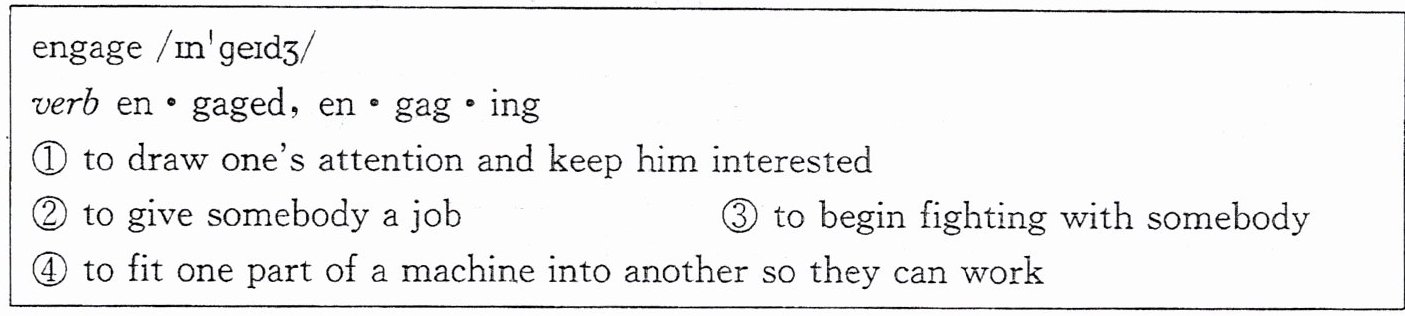
A. ①
B. ②
C. ③
D. ④
(
A. development
B. advantages
C. quality
D. introduction
(
A. Children make no difference in the fire safety at their homes.
B. VR experiences are mainly designed for children in high school.
C. Well-designed VR can offer children amazingly valuable learning tools.
D. 91% of children believed they weren't old enough to make safety decisions.
Recently,a research on how a new virtual reality (VR,虚拟现实) experience educated children about the fire disasters was done. The new VR experience was developed by the University of South Australia,hoping to educate children to learn how to be safe in a fire. It presents a situation for children aged 10-12. In the situation,they are tasked to look after a friend's dog just before a fire event begins. They take part in a set of problem-solving activities to help save and protect themselves and the dog.
The findings showed that over 80% of children could calmly tell the advantages and disadvantages of different choices. They also learned to make wise decisions to protect themselves from a fire. Children thought it especially important and meaningful,because 91% of them didn't have knowledge of fires in the beginning,and 67% had said that they were too young to make safety decisions in a fire.
The researchers believed such VR experiences made it possible to engage,educate and empower the young. "As children born in modern times,they are interested in such technology and they can experience events in a real situation but within the safe environment," said Delene Weber,one of the researchers. "Well-designed VR can provide children with surprisingly valuable learning tools." Meanwhile,because children have fewer life experiences,aren't so physically strong and are less likely to have learned much about fire safety,they're often most at risk. However,the role that children play in the fire safety at their homes should not be underestimated (低估). "Children don't need to be always waiting for help in disasters. With these VR experiences,we can make children understand the risks and realize they can help," said Weber.
(
B
) 1. What's the purpose of the new VR experience?A. To describe how children act in fire disasters.
B. To teach children to save themselves in a fire.
C. To introduce ways of avoiding a fire to children.
D. To increase children's interest in VR experiences.
(
D
) 2. From the findings,what was the children's attitude (态度) towards the new VR experience?A. Doubtful.
B. Worried.
C. Uncertain.
D. Supportive.
(
A
) 3. Which of the following in the dictionary best explains the underlined word "engage" in Paragraph 3?A. ①
B. ②
C. ③
D. ④
(
B
) 4. From Paragraph 3,we mainly get to know the advantages
of the new VR experience.A. development
B. advantages
C. quality
D. introduction
(
C
) 5. According to the passage,which of the following is TRUE?A. Children make no difference in the fire safety at their homes.
B. VR experiences are mainly designed for children in high school.
C. Well-designed VR can offer children amazingly valuable learning tools.
D. 91% of children believed they weren't old enough to make safety decisions.
答案:1-5 BDABC
解析:
翻译:
### 五、阅读理解
最近,一项关于新的虚拟现实(VR)体验如何教导儿童应对火灾的研究被开展。这个新的虚拟现实体验由南澳大利亚大学研发,旨在教导儿童学习如何在火灾中保证自身安全。它为10至12岁的儿童呈现了一种场景。在这个场景中,火灾发生前,他们被赋予照顾朋友的狗的任务。他们需要参与一系列解决问题的活动,以帮助自己和狗逃生并得到保护。
研究结果显示,超过80%的儿童能够冷静地说出不同选择的优缺点。他们也学会了做出明智的决定来使自己在火灾中免受伤害。孩子们认为这种体验特别重要且有意义,因为一开始91%的孩子对火灾相关知识一无所知,而且67%的孩子曾表示自己年龄太小,无法在火灾中做出安全决策。
研究人员认为,这样的虚拟现实体验使吸引、教育和赋予年轻人能力成为可能。研究人员之一德琳·韦伯说:“作为出生在现代的孩子,他们对这类技术感兴趣,而且他们能在安全的环境中体验真实场景中的事件。”“精心设计的虚拟现实能为孩子们提供极具价值的学习工具。”同时,由于孩子们的生活经验较少、身体不够强壮,而且不太可能学习过很多消防安全知识,所以他们往往面临最大的风险。然而,孩子们在家庭消防安全中所起的作用不应被低估。韦伯说:“在灾难中,孩子们不必总是等待救援。通过这些虚拟现实体验,我们可以让孩子们了解风险,并意识到他们能够提供帮助。”
(B)1. 这种新的虚拟现实体验的目的是什么?
A. 描述孩子们在火灾中的行为。
B. 教导孩子们在火灾中自救。
C. 向孩子们介绍避免火灾的方法。
D. 提高孩子们对虚拟现实体验的兴趣。
(D)2. 从研究结果来看,孩子们对这种新的虚拟现实体验的态度是怎样的?
A. 怀疑的。
B. 担忧的。
C. 不确定的。
D. 支持的。
(A)3. 词典中下列哪一项最能解释第3段中划线的单词“engage”?
A. ①
B. ②
C. ③
D. ④
(B)4. 从第3段中,我们主要了解到新的虚拟现实体验的________。
A. 发展
B. 优势
C. 质量
D. 介绍
(C)5. 根据文章,下列哪一项是正确的?
A. 孩子们对家庭消防安全没有影响。
B. 虚拟现实体验主要是为高中生设计的。
C. 精心设计的虚拟现实能为孩子们提供极具价值的学习工具。
D. 91%的孩子认为自己年龄太小,无法做出安全决策。
### 五、阅读理解
最近,一项关于新的虚拟现实(VR)体验如何教导儿童应对火灾的研究被开展。这个新的虚拟现实体验由南澳大利亚大学研发,旨在教导儿童学习如何在火灾中保证自身安全。它为10至12岁的儿童呈现了一种场景。在这个场景中,火灾发生前,他们被赋予照顾朋友的狗的任务。他们需要参与一系列解决问题的活动,以帮助自己和狗逃生并得到保护。
研究结果显示,超过80%的儿童能够冷静地说出不同选择的优缺点。他们也学会了做出明智的决定来使自己在火灾中免受伤害。孩子们认为这种体验特别重要且有意义,因为一开始91%的孩子对火灾相关知识一无所知,而且67%的孩子曾表示自己年龄太小,无法在火灾中做出安全决策。
研究人员认为,这样的虚拟现实体验使吸引、教育和赋予年轻人能力成为可能。研究人员之一德琳·韦伯说:“作为出生在现代的孩子,他们对这类技术感兴趣,而且他们能在安全的环境中体验真实场景中的事件。”“精心设计的虚拟现实能为孩子们提供极具价值的学习工具。”同时,由于孩子们的生活经验较少、身体不够强壮,而且不太可能学习过很多消防安全知识,所以他们往往面临最大的风险。然而,孩子们在家庭消防安全中所起的作用不应被低估。韦伯说:“在灾难中,孩子们不必总是等待救援。通过这些虚拟现实体验,我们可以让孩子们了解风险,并意识到他们能够提供帮助。”
(B)1. 这种新的虚拟现实体验的目的是什么?
A. 描述孩子们在火灾中的行为。
B. 教导孩子们在火灾中自救。
C. 向孩子们介绍避免火灾的方法。
D. 提高孩子们对虚拟现实体验的兴趣。
(D)2. 从研究结果来看,孩子们对这种新的虚拟现实体验的态度是怎样的?
A. 怀疑的。
B. 担忧的。
C. 不确定的。
D. 支持的。
(A)3. 词典中下列哪一项最能解释第3段中划线的单词“engage”?
A. ①
B. ②
C. ③
D. ④
(B)4. 从第3段中,我们主要了解到新的虚拟现实体验的________。
A. 发展
B. 优势
C. 质量
D. 介绍
(C)5. 根据文章,下列哪一项是正确的?
A. 孩子们对家庭消防安全没有影响。
B. 虚拟现实体验主要是为高中生设计的。
C. 精心设计的虚拟现实能为孩子们提供极具价值的学习工具。
D. 91%的孩子认为自己年龄太小,无法做出安全决策。