(C)
As he drives slowly across snow,Nils Mathis Sara drops food on the ground for hundreds of his reindeer(驯鹿)to eat. His animals live in Finnmark,the northernmost point of Norway. But Sara wishes he did not have to feed them. This year the snow is too thick and hard,making it impossible for the reindeer to reach their food. "This is an emergency situation," said Sara. "I am not supposed to feed them. They are supposed to feed me."
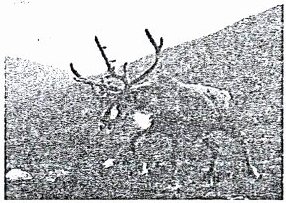
Sara is part of the Sami community,which comes from the northern areas of Norway. Normally,the reindeer find their own food. They dig through the snow to reach small plants,called lichen(地衣),hidden below.
But every winter for the past ten years,Sara has had to buy food to help the animals live through the cold season. Winter temperatures in the area can drop to -40℃. At first,only snow fell during winter months,but recently,warmer temperatures have brought rain instead. Then,when the temperature drops,that water turns to ice. The thick ice makes it difficult for the reindeer to reach the lichen. "It is especially hard for the younger reindeer,as their feet are not strong enough to break through," Sara said.
One morning in March,Sara and a relative provided about 1,500 kilograms of food for the reindeer. They've been doing the same thing every other day since February. Though reindeer are partly wild animals,repeated feeding changes their natural behaviour. Normally,herders(牧人)follow the animals as they look for food under the snow. But feeding the animals makes them slowly become less wild and depend more on humans. This makes the Sami people live more like farmers than herders. Sara says this goes against the Sami's traditional way of living. "When we feed the reindeer,they change their behaviour and become more used to humans," Sara said.
()7. What is the main purpose of Paragraph 3?
A. To show Sara is kind and helpful.
B. To list foods Sara buys for reindeer.
C. To compare young and adult reindeer.
D. To explain why feeding reindeer has to be done.
()8. What can we infer about Sara's attitude(态度)towards feeding reindeer?
A. He believes it makes reindeer healthier.
B. He sometimes enjoys buying food for them.
C. He sees it as a necessary but unwanted change.
D. He thinks it helps Sami people become farmers.
()9. What is the best title of the text?
A. Traditional Herding vs Modern Herding
B. Nils Mathis Sara:A Modern Sami Herder
C. The Challenges Reindeer Herders Face in Finnmark
D. The Influence of Climate Change on Reindeer Behaviour
As he drives slowly across snow,Nils Mathis Sara drops food on the ground for hundreds of his reindeer(驯鹿)to eat. His animals live in Finnmark,the northernmost point of Norway. But Sara wishes he did not have to feed them. This year the snow is too thick and hard,making it impossible for the reindeer to reach their food. "This is an emergency situation," said Sara. "I am not supposed to feed them. They are supposed to feed me."
Sara is part of the Sami community,which comes from the northern areas of Norway. Normally,the reindeer find their own food. They dig through the snow to reach small plants,called lichen(地衣),hidden below.
But every winter for the past ten years,Sara has had to buy food to help the animals live through the cold season. Winter temperatures in the area can drop to -40℃. At first,only snow fell during winter months,but recently,warmer temperatures have brought rain instead. Then,when the temperature drops,that water turns to ice. The thick ice makes it difficult for the reindeer to reach the lichen. "It is especially hard for the younger reindeer,as their feet are not strong enough to break through," Sara said.
One morning in March,Sara and a relative provided about 1,500 kilograms of food for the reindeer. They've been doing the same thing every other day since February. Though reindeer are partly wild animals,repeated feeding changes their natural behaviour. Normally,herders(牧人)follow the animals as they look for food under the snow. But feeding the animals makes them slowly become less wild and depend more on humans. This makes the Sami people live more like farmers than herders. Sara says this goes against the Sami's traditional way of living. "When we feed the reindeer,they change their behaviour and become more used to humans," Sara said.
()7. What is the main purpose of Paragraph 3?
A. To show Sara is kind and helpful.
B. To list foods Sara buys for reindeer.
C. To compare young and adult reindeer.
D. To explain why feeding reindeer has to be done.
()8. What can we infer about Sara's attitude(态度)towards feeding reindeer?
A. He believes it makes reindeer healthier.
B. He sometimes enjoys buying food for them.
C. He sees it as a necessary but unwanted change.
D. He thinks it helps Sami people become farmers.
()9. What is the best title of the text?
A. Traditional Herding vs Modern Herding
B. Nils Mathis Sara:A Modern Sami Herder
C. The Challenges Reindeer Herders Face in Finnmark
D. The Influence of Climate Change on Reindeer Behaviour
答案:7-9 DCC
解析:
翻译:
(C)
当尼尔斯·马西斯·萨拉(Nils Mathis Sara)缓慢地驾车穿过雪地时,他会把食物撒在地上,供他的数百只驯鹿食用。他的这些动物生活在挪威最北部的芬马克(Finnmark)。但萨拉希望他不必喂养它们。今年的雪又厚又硬,驯鹿无法够到它们的食物。“这是一种紧急情况,”萨拉说,“我本不应该喂养它们。应该是它们养活我。”
萨拉是萨米人(Sami)群体的一员,这个群体来自挪威的北部地区。通常情况下,驯鹿会自己寻找食物。它们会在雪中挖掘,以获取隐藏在下面的一种叫做地衣的小植物。
但在过去的十年里,每年冬天萨拉都不得不购买食物来帮助这些动物度过寒冷的季节。该地区的冬季气温可降至零下40摄氏度。起初,冬季月份只下雪,但最近,气温升高带来了降雨。然后,当气温下降时,那些水就会变成冰。厚厚的冰层使得驯鹿很难够到地衣。“这对年幼的驯鹿来说尤其困难,因为它们的蹄子不够强壮,无法破冰,”萨拉说。
3月的一个早晨,萨拉和一位亲戚为驯鹿提供了大约1500千克的食物。自2月以来,他们每隔一天就做同样的事情。尽管驯鹿在一定程度上是野生动物,但反复喂养会改变它们的自然行为。通常,牧人会跟着这些动物,因为它们会在雪下寻找食物。但喂养这些动物会使它们慢慢变得不那么野性,并且更加依赖人类。这使得萨米人更像农民而不是牧人。萨拉说这与萨米人的传统生活方式相悖。“当我们喂养驯鹿时,它们会改变行为,变得更习惯人类,”萨拉说。
7. 第三段的主要目的是什么?
A. 展示萨拉善良且乐于助人。
B. 列出萨拉为驯鹿购买的食物。
C. 比较年幼的驯鹿和成年驯鹿。
D. 解释为什么必须喂养驯鹿。
8. 关于萨拉对喂养驯鹿的态度,我们可以推断出什么?
A. 他认为这会使驯鹿更健康。
B. 他有时喜欢为它们购买食物。
C. 他认为这是一个必要但不受欢迎的改变。
D. 他认为这有助于萨米人成为农民。
9. 这篇文章的最佳标题是什么?
A. 传统放牧与现代放牧
B. 尼尔斯·马西斯·萨拉:一位现代萨米牧人
C. 芬马克地区驯鹿牧人面临的挑战
D. 气候变化对驯鹿行为的影响
(C)
当尼尔斯·马西斯·萨拉(Nils Mathis Sara)缓慢地驾车穿过雪地时,他会把食物撒在地上,供他的数百只驯鹿食用。他的这些动物生活在挪威最北部的芬马克(Finnmark)。但萨拉希望他不必喂养它们。今年的雪又厚又硬,驯鹿无法够到它们的食物。“这是一种紧急情况,”萨拉说,“我本不应该喂养它们。应该是它们养活我。”
萨拉是萨米人(Sami)群体的一员,这个群体来自挪威的北部地区。通常情况下,驯鹿会自己寻找食物。它们会在雪中挖掘,以获取隐藏在下面的一种叫做地衣的小植物。
但在过去的十年里,每年冬天萨拉都不得不购买食物来帮助这些动物度过寒冷的季节。该地区的冬季气温可降至零下40摄氏度。起初,冬季月份只下雪,但最近,气温升高带来了降雨。然后,当气温下降时,那些水就会变成冰。厚厚的冰层使得驯鹿很难够到地衣。“这对年幼的驯鹿来说尤其困难,因为它们的蹄子不够强壮,无法破冰,”萨拉说。
3月的一个早晨,萨拉和一位亲戚为驯鹿提供了大约1500千克的食物。自2月以来,他们每隔一天就做同样的事情。尽管驯鹿在一定程度上是野生动物,但反复喂养会改变它们的自然行为。通常,牧人会跟着这些动物,因为它们会在雪下寻找食物。但喂养这些动物会使它们慢慢变得不那么野性,并且更加依赖人类。这使得萨米人更像农民而不是牧人。萨拉说这与萨米人的传统生活方式相悖。“当我们喂养驯鹿时,它们会改变行为,变得更习惯人类,”萨拉说。
7. 第三段的主要目的是什么?
A. 展示萨拉善良且乐于助人。
B. 列出萨拉为驯鹿购买的食物。
C. 比较年幼的驯鹿和成年驯鹿。
D. 解释为什么必须喂养驯鹿。
8. 关于萨拉对喂养驯鹿的态度,我们可以推断出什么?
A. 他认为这会使驯鹿更健康。
B. 他有时喜欢为它们购买食物。
C. 他认为这是一个必要但不受欢迎的改变。
D. 他认为这有助于萨米人成为农民。
9. 这篇文章的最佳标题是什么?
A. 传统放牧与现代放牧
B. 尼尔斯·马西斯·萨拉:一位现代萨米牧人
C. 芬马克地区驯鹿牧人面临的挑战
D. 气候变化对驯鹿行为的影响