(B)根据句意,写出括号内所给单词的适当形式。
6. The baby slept
7. The driver's
8. Parents should be much
9. He finally told the
10. The date of the meeting is
6. The baby slept
peacefully
(peaceful) in her mother's arms.7. The driver's
carelessness
(careless) caused this terrible car accident yesterday.8. Parents should be much
stricter
(strict) with their kids about screen time.9. He finally told the
truth
(true) after the police encouraged him.10. The date of the meeting is
fixed
(fix)—we can't change it.答案:6. peacefully 7. carelessness 8. stricter 9. truth 10. fixed
解析:
翻译:
(B)根据句意,写出括号内所给单词的适当形式。
6. 婴儿在妈妈的怀里______(平静的)睡着了。
7. 昨天司机的______(粗心的)导致了这场可怕的车祸。
8. 父母在孩子的屏幕使用时间方面应该______(严格的)得多。
9. 在警察的鼓励下,他终于说出了______(真实)。
10. 会议的日期已经被______(确定)——我们不能改变它。
(B)根据句意,写出括号内所给单词的适当形式。
6. 婴儿在妈妈的怀里______(平静的)睡着了。
7. 昨天司机的______(粗心的)导致了这场可怕的车祸。
8. 父母在孩子的屏幕使用时间方面应该______(严格的)得多。
9. 在警察的鼓励下,他终于说出了______(真实)。
10. 会议的日期已经被______(确定)——我们不能改变它。
五、动词填空 用括号内所给动词的适当形式填空。(本大题共10小题,每小题1分,共10分)
1. It was a sunny day, and the park
2. While I
3. An elderly woman had trouble
4. Just then, a young man
5. He smiled kindly at her and said, "Let me
6. He carried the bag and chatted with the lady
7. Now, the young man often
8. He
9. He
10. More and more people in the neighbourhood
1. It was a sunny day, and the park
was filled
(fill) with people enjoying their weekend.2. While I
was walking
(walk) past the park, I witnessed a truly heartwarming event.3. An elderly woman had trouble
carrying
(carry) her heavy shopping bag.4. Just then, a young man
noticed
(notice) the elderly woman's difficult situation.5. He smiled kindly at her and said, "Let me
help
(help) you with the bag, madam."6. He carried the bag and chatted with the lady
to make
(make) her feel less worried.7. Now, the young man often
volunteers
(volunteer) at the local community centre.8. He
has organized
(organize) many activities to help the elderly and the poor so far.9. He
will start
(start) a new project next month to provide free meals for those in need.10. More and more people in the neighbourhood
are joining
(join) him to offer help now.答案:1. was filled 2. was walking 3. carrying 4. noticed 5. help 6. to make 7. volunteers 8. has organized 9. will start 10. are joining
解析:
翻译:
五、动词填空 用括号内所给动词的适当形式填空。(本大题共10小题,每小题1分,共10分)
1. 那是一个晴朗的日子,公园里挤满了(fill)享受周末的人们。
2. 当我正走过(walk)公园时,我目睹了一件非常暖心的事情。
3. 一位老妇人提着(carry)沉重的购物袋有困难。
4. 就在这时,一个年轻人注意到(notice)了老妇人的困境。
5. 他亲切地对她微笑着说:“夫人,让我帮(help)您拿这个袋子吧。”
6. 他提着袋子并和这位女士聊天以让(make)她不那么担心。
7. 现在,这个年轻人经常在当地的社区中心做志愿工作(volunteer)。
8. 到目前为止,他已经组织(organize)了很多活动来帮助老人和穷人。
9. 下个月他将启动(start)一个新项目,为有需要的人提供免费餐食。
10. 现在,小区里越来越多的人正在加入(join)他一起提供帮助。
五、动词填空 用括号内所给动词的适当形式填空。(本大题共10小题,每小题1分,共10分)
1. 那是一个晴朗的日子,公园里挤满了(fill)享受周末的人们。
2. 当我正走过(walk)公园时,我目睹了一件非常暖心的事情。
3. 一位老妇人提着(carry)沉重的购物袋有困难。
4. 就在这时,一个年轻人注意到(notice)了老妇人的困境。
5. 他亲切地对她微笑着说:“夫人,让我帮(help)您拿这个袋子吧。”
6. 他提着袋子并和这位女士聊天以让(make)她不那么担心。
7. 现在,这个年轻人经常在当地的社区中心做志愿工作(volunteer)。
8. 到目前为止,他已经组织(organize)了很多活动来帮助老人和穷人。
9. 下个月他将启动(start)一个新项目,为有需要的人提供免费餐食。
10. 现在,小区里越来越多的人正在加入(join)他一起提供帮助。
六、阅读表达 阅读下面的短文,然后根据短文内容回答问题。(本大题共5小题,每小题2分,共10分)
Chinese embroidery(刺绣)has a history of over 2,000 years. It started during the Shang Dynasty when people used it to make clothing more beautiful. Over time, it became an important part of Chinese culture, showing the skills and creativity of different places.
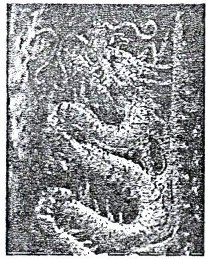
There are four famous embroidery styles in China. Su embroidery from Jiangsu uses very thin silk threads(线). Artists spend months making pictures of flowers or birds that look almost real. Some works even show the same design perfectly on both sides of the cloth. Shu embroidery from Sichuan is known for bright colours. It often shows things from Sichuan like pandas eating bamboo or foggy mountains.
A special "fish-scale stitch"(鱼鳞针法)makes water animals look alive. Xiang embroidery from Hunan makes animal fur look shiny, while Yue embroidery from Guangdong uses golden threads for dragon patterns, which were once only for the king's families.
Today, embroidery isn't just for traditional clothes. You can also find it on modern daily objects like dresses, bags and even phone cases. To pass on this art form, China is bringing the skill of embroidery into schools and museums. For example, the Suzhou Embroidery School trains students old skills, while some museums use computers to let students try "digital(数字的)embroidery" while learning its history.
The government protects embroidery because each style tells stories about its hometown. Su embroidery shows Jiangsu's rivers and gardens, while Shu embroidery brings Sichuan's forests to life. By keeping these skills alive, China shares its culture with the world and connects past traditions to modern life.
每题答案不超过8个单词
1. When did Chinese Embroidery start?
2. What kind of embroidery may the picture in the passage show?
3. Where can we see embroidery today?
4. What is the Chinese government doing to pass on the valuable art form?
5. If you want to complete an embroidery piece, what picture will you make and why?
Chinese embroidery(刺绣)has a history of over 2,000 years. It started during the Shang Dynasty when people used it to make clothing more beautiful. Over time, it became an important part of Chinese culture, showing the skills and creativity of different places.
There are four famous embroidery styles in China. Su embroidery from Jiangsu uses very thin silk threads(线). Artists spend months making pictures of flowers or birds that look almost real. Some works even show the same design perfectly on both sides of the cloth. Shu embroidery from Sichuan is known for bright colours. It often shows things from Sichuan like pandas eating bamboo or foggy mountains.
A special "fish-scale stitch"(鱼鳞针法)makes water animals look alive. Xiang embroidery from Hunan makes animal fur look shiny, while Yue embroidery from Guangdong uses golden threads for dragon patterns, which were once only for the king's families.
Today, embroidery isn't just for traditional clothes. You can also find it on modern daily objects like dresses, bags and even phone cases. To pass on this art form, China is bringing the skill of embroidery into schools and museums. For example, the Suzhou Embroidery School trains students old skills, while some museums use computers to let students try "digital(数字的)embroidery" while learning its history.
The government protects embroidery because each style tells stories about its hometown. Su embroidery shows Jiangsu's rivers and gardens, while Shu embroidery brings Sichuan's forests to life. By keeping these skills alive, China shares its culture with the world and connects past traditions to modern life.
每题答案不超过8个单词
1. When did Chinese Embroidery start?
Over 2,000 years ago./During the Shang Dynasty.
2. What kind of embroidery may the picture in the passage show?
Yue embroidery.
3. Where can we see embroidery today?
On traditional clothes and modern daily objects.
4. What is the Chinese government doing to pass on the valuable art form?
It's bringing embroidery into schools and museums.
5. If you want to complete an embroidery piece, what picture will you make and why?
The picture of Taihu Lake because it's beautiful.
答案:1. Over 2,000 years ago./During the Shang Dynasty. 2. Yue embroidery. 3. On traditional clothes and modern daily objects. 4. It's bringing embroidery into schools and museums. 5. The picture of Taihu Lake because it's beautiful.
解析:
翻译:
### 六、阅读表达
阅读下面的短文,然后根据短文内容回答问题。(本大题共5小题,每小题2分,共10分)
中国刺绣有2000多年的历史。它始于商朝,当时人们用它来使衣服更美观。随着时间的推移,它成为中国文化的重要组成部分,展现了不同地方的技艺和创造力。
中国有四大著名刺绣流派。江苏的苏绣使用非常细的丝线。艺术家们会花几个月的时间来制作看起来几乎逼真的花鸟图。有些作品甚至能在布的两面完美呈现相同的图案。四川的蜀绣以色彩鲜艳著称。它常常展现四川的事物,比如吃竹子的熊猫或者雾气弥漫的山峦。一种特殊的“鱼鳞针法”能让水生动物看起来栩栩如生。湖南的湘绣能让动物的皮毛看起来有光泽,而广东的粤绣则用金线来绣龙纹图案,这种图案曾经只供王室使用。
如今,刺绣不仅仅用于传统服饰。你还能在现代日常用品上看到它,比如连衣裙、包包甚至手机壳。为了传承这种艺术形式,中国正将刺绣技艺引入学校和博物馆。例如,苏州刺绣学校向学生传授古老的技艺,而一些博物馆则使用电脑让学生在学习刺绣历史的同时尝试“数字刺绣”。
政府保护刺绣,因为每一种刺绣风格都讲述着它家乡的故事。苏绣展现了江苏的河流和园林,而蜀绣则让四川的森林栩栩如生。通过让这些技艺得以传承,中国向世界分享它的文化,并将过去的传统与现代生活联系起来。
每题答案不超过8个单词。
1. 中国刺绣始于何时?
在2000多年前。/在商朝。
2. 文中的图片可能展示的是哪种刺绣?
粤绣。
3. 如今我们在哪里能看到刺绣?
在传统服饰和现代日常用品上。
4. 中国政府为传承这一宝贵的艺术形式在做什么?
它正将刺绣引入学校和博物馆。
5. 如果你要完成一件刺绣作品,你会绣什么图案?为什么?
太湖的图案,因为它很美。
### 六、阅读表达
阅读下面的短文,然后根据短文内容回答问题。(本大题共5小题,每小题2分,共10分)
中国刺绣有2000多年的历史。它始于商朝,当时人们用它来使衣服更美观。随着时间的推移,它成为中国文化的重要组成部分,展现了不同地方的技艺和创造力。
中国有四大著名刺绣流派。江苏的苏绣使用非常细的丝线。艺术家们会花几个月的时间来制作看起来几乎逼真的花鸟图。有些作品甚至能在布的两面完美呈现相同的图案。四川的蜀绣以色彩鲜艳著称。它常常展现四川的事物,比如吃竹子的熊猫或者雾气弥漫的山峦。一种特殊的“鱼鳞针法”能让水生动物看起来栩栩如生。湖南的湘绣能让动物的皮毛看起来有光泽,而广东的粤绣则用金线来绣龙纹图案,这种图案曾经只供王室使用。
如今,刺绣不仅仅用于传统服饰。你还能在现代日常用品上看到它,比如连衣裙、包包甚至手机壳。为了传承这种艺术形式,中国正将刺绣技艺引入学校和博物馆。例如,苏州刺绣学校向学生传授古老的技艺,而一些博物馆则使用电脑让学生在学习刺绣历史的同时尝试“数字刺绣”。
政府保护刺绣,因为每一种刺绣风格都讲述着它家乡的故事。苏绣展现了江苏的河流和园林,而蜀绣则让四川的森林栩栩如生。通过让这些技艺得以传承,中国向世界分享它的文化,并将过去的传统与现代生活联系起来。
每题答案不超过8个单词。
1. 中国刺绣始于何时?
在2000多年前。/在商朝。
2. 文中的图片可能展示的是哪种刺绣?
粤绣。
3. 如今我们在哪里能看到刺绣?
在传统服饰和现代日常用品上。
4. 中国政府为传承这一宝贵的艺术形式在做什么?
它正将刺绣引入学校和博物馆。
5. 如果你要完成一件刺绣作品,你会绣什么图案?为什么?
太湖的图案,因为它很美。