一、根据所给图片或首字母提示填空。
1. —What do we need to make a sandwich?
—Two pieces of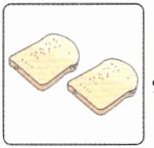 ,some
,some 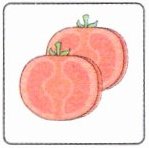 ,lettuce and ham.
2. Don't keep the food in the f
3. Green v
4. The kid c
1. —What do we need to make a sandwich?
—Two pieces of
bread
,some tomatoes
,lettuce and ham.2. Don't keep the food in the f
ridge
for too long. It's unhealthy.3. Green v
egetables
are rich in nutrition. We should eat more.4. The kid c
atches
a ladybird from
the tree. There are twelve spots
on it.答案:一、1. bread, tomatoes 2. fridge
3. vegetables 4. catches, from, spots
3. vegetables 4. catches, from, spots
解析:
【分析】
1. 第1题:结合“制作三明治”的语境和插图提示,第一空需填制作三明治的核心食材“面包”,bread为不可数名词,用原形;第二空是“西红柿”,some后接可数名词复数,故用tomatoes。
2. 第2题:根据首字母f和“食物放太久不健康”的句意,可推断出是“冰箱”,对应单词fridge。
3. 第3题:由“富含营养、多吃”的语境和首字母v,可知是“蔬菜”,句中be动词为are,所以用复数形式vegetables。
4. 第4题:第一空,主语the kid是第三人称单数,一般现在时中谓语动词用第三人称单数形式,结合“抓瓢虫”的语境填catches;第二空表示“从树上”,用from;第三空根据“瓢虫身上的”和首字母s,可知是“斑点”,twelve后接可数名词复数,故填spots。
【解析】
1. 第一空:bread是不可数名词,符合“两片面包”的表达;第二空some后接可数名词复数,tomato的复数形式是tomatoes,所以填bread, tomatoes。
2. 结合首字母和生活常识,食物不宜在冰箱放置过久,填fridge。
3. Green vegetables指“绿色蔬菜”,根据be动词are,用复数形式vegetables。
4. 主语the kid为第三人称单数,catch的第三人称单数是catches;from表示“从……”;twelve后接spot的复数形式spots,故填catches, from, spots。
【答案】
一、1. bread, tomatoes 2. fridge
3. vegetables 4. catches, from, spots
【知识点】
1. 可数名词复数变化
2. 第三人称单数谓语变化
3. 食物类核心词汇
【点评】
本题结合语境、首字母及插图提示,考查学生对常见食物类词汇的掌握,以及可数名词复数、一般现在时第三人称单数等基础语法的运用,注重词汇在实际语境中的理解与使用。
【难度系数】
0.7
1. 第1题:结合“制作三明治”的语境和插图提示,第一空需填制作三明治的核心食材“面包”,bread为不可数名词,用原形;第二空是“西红柿”,some后接可数名词复数,故用tomatoes。
2. 第2题:根据首字母f和“食物放太久不健康”的句意,可推断出是“冰箱”,对应单词fridge。
3. 第3题:由“富含营养、多吃”的语境和首字母v,可知是“蔬菜”,句中be动词为are,所以用复数形式vegetables。
4. 第4题:第一空,主语the kid是第三人称单数,一般现在时中谓语动词用第三人称单数形式,结合“抓瓢虫”的语境填catches;第二空表示“从树上”,用from;第三空根据“瓢虫身上的”和首字母s,可知是“斑点”,twelve后接可数名词复数,故填spots。
【解析】
1. 第一空:bread是不可数名词,符合“两片面包”的表达;第二空some后接可数名词复数,tomato的复数形式是tomatoes,所以填bread, tomatoes。
2. 结合首字母和生活常识,食物不宜在冰箱放置过久,填fridge。
3. Green vegetables指“绿色蔬菜”,根据be动词are,用复数形式vegetables。
4. 主语the kid为第三人称单数,catch的第三人称单数是catches;from表示“从……”;twelve后接spot的复数形式spots,故填catches, from, spots。
【答案】
一、1. bread, tomatoes 2. fridge
3. vegetables 4. catches, from, spots
【知识点】
1. 可数名词复数变化
2. 第三人称单数谓语变化
3. 食物类核心词汇
【点评】
本题结合语境、首字母及插图提示,考查学生对常见食物类词汇的掌握,以及可数名词复数、一般现在时第三人称单数等基础语法的运用,注重词汇在实际语境中的理解与使用。
【难度系数】
0.7
二、从方框中选择合适的短语,并用其适当形式填空。
look for cook meat with potatoes football match all over the world
1. There are 85
2. Beijing duck, a traditional Chinese dish, is known
3. Taotao's father is good at
4. —I haven't seen Sally for days.
—She's just lost her job. She must be busy
look for cook meat with potatoes football match all over the world
1. There are 85
football matches
in the 2025 Jiangsu Football City League.2. Beijing duck, a traditional Chinese dish, is known
all over the world
.3. Taotao's father is good at
cooking meat with potatoes
. It's yummy.4. —I haven't seen Sally for days.
—She's just lost her job. She must be busy
looking for
a new one.答案:二、1. football matches 2. all over the world
3. cooking meat with potatoes 4. looking for
3. cooking meat with potatoes 4. looking for
解析:
【分析】
1. 第1题:句中提到“2025 Jiangsu Football City League(2025江苏足球城市联赛)”,结合方框短语,football match(足球比赛)符合语境;前面有数量词85,所以要用复数形式football matches。
2. 第2题:北京烤鸭是知名的中国传统菜肴,all over the world(全世界)能体现其知名度的范围,且“be known all over the world”是常用表达,直接填入即可。
3. 第3题:句中提到“yummy(美味的)”,说明和烹饪相关,cook meat with potatoes(土豆烧肉)符合;“be good at”后接动名词形式,所以变为cooking meat with potatoes。
4. 第4题:上句说Sally丢了工作,所以她应该在忙着找新工作,look for(寻找)符合语境;“be busy doing sth”是固定搭配,故用looking for。
【解析】
1. 根据“2025江苏足球城市联赛”的语境,选择短语football match,由于前面有数量词85,需使用复数形式football matches。
2. 结合北京烤鸭的知名度语境,选择短语all over the world,构成“be known all over the world”的固定表达,直接填入。
3. 由“yummy”判断与烹饪相关,选择短语cook meat with potatoes,因“be good at”后接动名词,故变为cooking meat with potatoes。
4. 根据Sally丢工作的语境,选择短语look for,结合“be busy doing sth”的固定搭配,使用looking for。
【答案】
1. football matches
2. all over the world
3. cooking meat with potatoes
4. looking for
【知识点】
名词复数形式、固定搭配、动名词应用
【点评】
本题考查对短语含义的理解及语法规则的运用,需结合语境筛选合适短语,同时掌握名词复数变化、“be good at doing”“be busy doing”等固定搭配的用法,侧重对基础短语与语法结合能力的考查。
【难度系数】
0.8
1. 第1题:句中提到“2025 Jiangsu Football City League(2025江苏足球城市联赛)”,结合方框短语,football match(足球比赛)符合语境;前面有数量词85,所以要用复数形式football matches。
2. 第2题:北京烤鸭是知名的中国传统菜肴,all over the world(全世界)能体现其知名度的范围,且“be known all over the world”是常用表达,直接填入即可。
3. 第3题:句中提到“yummy(美味的)”,说明和烹饪相关,cook meat with potatoes(土豆烧肉)符合;“be good at”后接动名词形式,所以变为cooking meat with potatoes。
4. 第4题:上句说Sally丢了工作,所以她应该在忙着找新工作,look for(寻找)符合语境;“be busy doing sth”是固定搭配,故用looking for。
【解析】
1. 根据“2025江苏足球城市联赛”的语境,选择短语football match,由于前面有数量词85,需使用复数形式football matches。
2. 结合北京烤鸭的知名度语境,选择短语all over the world,构成“be known all over the world”的固定表达,直接填入。
3. 由“yummy”判断与烹饪相关,选择短语cook meat with potatoes,因“be good at”后接动名词,故变为cooking meat with potatoes。
4. 根据Sally丢工作的语境,选择短语look for,结合“be busy doing sth”的固定搭配,使用looking for。
【答案】
1. football matches
2. all over the world
3. cooking meat with potatoes
4. looking for
【知识点】
名词复数形式、固定搭配、动名词应用
【点评】
本题考查对短语含义的理解及语法规则的运用,需结合语境筛选合适短语,同时掌握名词复数变化、“be good at doing”“be busy doing”等固定搭配的用法,侧重对基础短语与语法结合能力的考查。
【难度系数】
0.8
三、按要求完成句子。
1. We are helping take care of the lost child.(改为一般疑问句)
2. The bunch of flowers smells nice. The tarts smell nice too.(改为否定句)
The bunch of flowers
3. There aren't any drinks in the fridge.(改为同义句)
There
4. This good ladybird has six thin legs.(对画线部分提问)
1. We are helping take care of the lost child.(改为一般疑问句)
Are
you
helping
take care of the lost child?2. The bunch of flowers smells nice. The tarts smell nice too.(改为否定句)
The bunch of flowers
doesn't
smell
nice. The tarts don't smell nice either
.3. There aren't any drinks in the fridge.(改为同义句)
There
are
no
drinks in the fridge.4. This good ladybird has six thin legs.(对画线部分提问)
How
many
thin
legs
does
this good ladybird have
?答案:三、1. Are you helping 2. doesn't smell, either
3. are no 4. How many thin legs does, have
3. are no 4. How many thin legs does, have
解析:
【分析】
1. 第1题:原句是现在进行时的陈述句,转换一般疑问句时,需将be动词are提前至句首,同时第一人称主语we转换为第二人称you,谓语动词的现在分词形式helping保持不变。
2. 第2题:第一句主语“The bunch of flowers”表单数概念,变否定句要借助助动词doesn't,后接动词原形smell;否定句中表示“也”需用either,替代肯定句中的too。
3. 第3题:在there be句型中,“aren't any”和“are no”为同义表达,no等同于“not any”,可用来表示“没有”。
4. 第4题:画线部分是可数名词legs的数量six,对可数名词数量提问用How many,后接thin legs;主语this good ladybird是单数,需借助助动词does构成疑问语序,实义动词have用原形。
【解析】
1. 现在进行时一般疑问句结构为“Be+主语+现在分词+其他?”,将原句be动词are提前,主语we换为you,故填Are you helping。
2. 单数主语的肯定句变否定句,用“doesn't+动词原形”,否定句中“也”用either,故第一空填doesn't smell,第二空填either。
3. there be句型中,“aren't any”可替换为“are no”,故填are no。
4. 对可数名词数量提问用How many,后接名词复数thin legs,单数主语借助助动词does,实义动词用原形have,故填How many thin legs does; have。
【答案】
1. Are you helping
2. doesn't smell; either
3. are no
4. How many thin legs does; have
【知识点】
现在进行时句式转换、否定句改写、特殊疑问句构成
【点评】
本题聚焦英语基础句式转换,覆盖现在进行时、there be句型、肯定与否定句互换、对数量提问的特殊疑问句等核心基础语法点,考查学生对基本语法规则的掌握与灵活运用能力,需要学生牢记不同句式的转换逻辑。
【难度系数】
0.7
1. 第1题:原句是现在进行时的陈述句,转换一般疑问句时,需将be动词are提前至句首,同时第一人称主语we转换为第二人称you,谓语动词的现在分词形式helping保持不变。
2. 第2题:第一句主语“The bunch of flowers”表单数概念,变否定句要借助助动词doesn't,后接动词原形smell;否定句中表示“也”需用either,替代肯定句中的too。
3. 第3题:在there be句型中,“aren't any”和“are no”为同义表达,no等同于“not any”,可用来表示“没有”。
4. 第4题:画线部分是可数名词legs的数量six,对可数名词数量提问用How many,后接thin legs;主语this good ladybird是单数,需借助助动词does构成疑问语序,实义动词have用原形。
【解析】
1. 现在进行时一般疑问句结构为“Be+主语+现在分词+其他?”,将原句be动词are提前,主语we换为you,故填Are you helping。
2. 单数主语的肯定句变否定句,用“doesn't+动词原形”,否定句中“也”用either,故第一空填doesn't smell,第二空填either。
3. there be句型中,“aren't any”可替换为“are no”,故填are no。
4. 对可数名词数量提问用How many,后接名词复数thin legs,单数主语借助助动词does,实义动词用原形have,故填How many thin legs does; have。
【答案】
1. Are you helping
2. doesn't smell; either
3. are no
4. How many thin legs does; have
【知识点】
现在进行时句式转换、否定句改写、特殊疑问句构成
【点评】
本题聚焦英语基础句式转换,覆盖现在进行时、there be句型、肯定与否定句互换、对数量提问的特殊疑问句等核心基础语法点,考查学生对基本语法规则的掌握与灵活运用能力,需要学生牢记不同句式的转换逻辑。
【难度系数】
0.7
四、(泰州泰兴市期末改编)从方框中选择合适的单词填空,完成故事,并根据故事内容,用数字给下列图片排序。
Five peas
One day, a boy
A girl is ill. She looks out of her window and sees the
plant Pea eats growing fourth live picks fifth window well
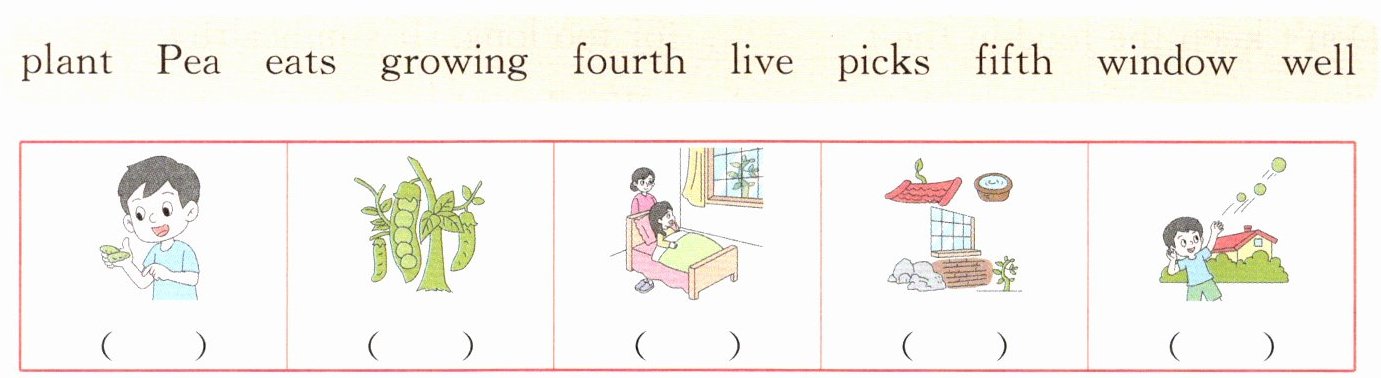
(
Five peas
live
together in a pod(豆荚). They grow very well
.One day, a boy
picks
the pod and takes the peas out of the pod. The boy throws the peas into the sky one by one. The first pea falls onto a roof, and a bird eats
it. The second pea falls into some water. The third and fourth
peas fall into a yard, and two chickens eat them. The fifth
pea hits a window
and falls onto the ground. Soon, it grows into a plant.A girl is ill. She looks out of her window and sees the
plant
. “The pea is growing
tall and strong. I'll try to do the same,” she says. A few weeks later, the girl is fine. Her mother says, “Thank you, Little Pea
.”plant Pea eats growing fourth live picks fifth window well
(
2
)(1
)(5
)(4
)(3
)答案:四、live, well, picks, eats, fourth, fifth, window, plant, growing, Pea
排序:2 1 5 4 3
排序:2 1 5 4 3
解析:
【分析】
这道题需要分两步完成:补全短文和图片排序。
1. 补全短文:先通读短文,把握故事整体情节,再结合给出的单词,根据句子的语义逻辑、语法搭配来选择合适的单词。比如描述豌豆的状态用live(生活在一起),修饰生长状态用副词well;动作类词汇要匹配场景,男孩“摘”豆荚用picks,鸟“吃”豌豆用eats;序数词要对应情节里的顺序,最后结合物品、植物的描述选择对应的名词和动词形式。
2. 图片排序:先明确每张图片的内容,再梳理短文的情节发展顺序,将图片内容与情节一一对应,就能完成排序。
【解析】
一、补全短文:
1. “Five peas ____ together in a pod”:结合语义,豌豆生活在豆荚里,选择live;
2. “They grow very ____”:well作为副词,可修饰动词grow,表达“长得好”,选择well;
3. “a boy ____ the pod”:男孩的动作是摘下豆荚,picks(摘)符合语境,选择picks;
4. “a bird ____ it”:鸟的动作是吃掉第一个豌豆,选择eats;
5. “third and ____ peas”:按照序数词的顺序,third之后是fourth,选择fourth;
6. “the ____ pea”:故事里最后一个豌豆是fifth,选择fifth;
7. “hits a ____”:豌豆撞到的物品是窗户,选择window;
8. “sees the ____”:女孩看到的是豌豆长成的植物,选择plant;
9. “The pea is ____ tall and strong”:描述豌豆正在生长的状态,用现在进行时的growing;
10. “Little ____”:指代帮助女孩康复的豌豆,选择Pea。
二、图片排序:
短文情节顺序为:豌豆在豆荚里生长→男孩摘豆荚→男孩扔豌豆→第五个豌豆在窗户下长成植物→生病女孩看到豌豆植株逐渐康复。对应图片:
豌豆植株图对应开篇情节,排第1;
男孩拿豌豆图对应摘豆荚后的相关情节,排第2;
男孩扔豌豆图对应扔豌豆的情节,排第3;
窗户下的豌豆植株图对应豌豆长成植物的情节,排第4;
女孩窗边看植物图对应女孩康复相关情节,排第5。
因此图片排序为2 1 5 4 3。
【答案】
补全短文:live, well, picks, eats, fourth, fifth, window, plant, growing, Pea
图片排序:2 1 5 4 3
【知识点】
1. 动词词义辨析
2. 序数词运用
3. 图文语境匹配
【点评】
本题结合词汇运用与语篇理解,既考查学生对单词词义、语法搭配的掌握,又要求学生能梳理故事逻辑,完成图文对应。以故事形式呈现,能锻炼学生的语篇整合与逻辑对应能力。
【难度系数】
0.6
这道题需要分两步完成:补全短文和图片排序。
1. 补全短文:先通读短文,把握故事整体情节,再结合给出的单词,根据句子的语义逻辑、语法搭配来选择合适的单词。比如描述豌豆的状态用live(生活在一起),修饰生长状态用副词well;动作类词汇要匹配场景,男孩“摘”豆荚用picks,鸟“吃”豌豆用eats;序数词要对应情节里的顺序,最后结合物品、植物的描述选择对应的名词和动词形式。
2. 图片排序:先明确每张图片的内容,再梳理短文的情节发展顺序,将图片内容与情节一一对应,就能完成排序。
【解析】
一、补全短文:
1. “Five peas ____ together in a pod”:结合语义,豌豆生活在豆荚里,选择live;
2. “They grow very ____”:well作为副词,可修饰动词grow,表达“长得好”,选择well;
3. “a boy ____ the pod”:男孩的动作是摘下豆荚,picks(摘)符合语境,选择picks;
4. “a bird ____ it”:鸟的动作是吃掉第一个豌豆,选择eats;
5. “third and ____ peas”:按照序数词的顺序,third之后是fourth,选择fourth;
6. “the ____ pea”:故事里最后一个豌豆是fifth,选择fifth;
7. “hits a ____”:豌豆撞到的物品是窗户,选择window;
8. “sees the ____”:女孩看到的是豌豆长成的植物,选择plant;
9. “The pea is ____ tall and strong”:描述豌豆正在生长的状态,用现在进行时的growing;
10. “Little ____”:指代帮助女孩康复的豌豆,选择Pea。
二、图片排序:
短文情节顺序为:豌豆在豆荚里生长→男孩摘豆荚→男孩扔豌豆→第五个豌豆在窗户下长成植物→生病女孩看到豌豆植株逐渐康复。对应图片:
豌豆植株图对应开篇情节,排第1;
男孩拿豌豆图对应摘豆荚后的相关情节,排第2;
男孩扔豌豆图对应扔豌豆的情节,排第3;
窗户下的豌豆植株图对应豌豆长成植物的情节,排第4;
女孩窗边看植物图对应女孩康复相关情节,排第5。
因此图片排序为2 1 5 4 3。
【答案】
补全短文:live, well, picks, eats, fourth, fifth, window, plant, growing, Pea
图片排序:2 1 5 4 3
【知识点】
1. 动词词义辨析
2. 序数词运用
3. 图文语境匹配
【点评】
本题结合词汇运用与语篇理解,既考查学生对单词词义、语法搭配的掌握,又要求学生能梳理故事逻辑,完成图文对应。以故事形式呈现,能锻炼学生的语篇整合与逻辑对应能力。
【难度系数】
0.6