(
—Oh, you don't know? The young couple
A.has gone to
B.have been in
C.have been to
D.have gone to
B
)4.(2025·江苏无锡期中)—I haven't seen Mark and Jane for long.—Oh, you don't know? The young couple
have been in
the UK for 2 months.A.has gone to
B.have been in
C.have been to
D.have gone to
答案:4. B 【点拨】have been to 表示去过某地,现已返回;have been in 表示在某地一段时间了;have gone to 表示去了某地,尚未返回,不可与时间段连用。根据语境可知,这对年轻夫妇在英国已经两个月了,去了还未回来。故选 B。
解析:
翻译:
(
——哦,你不知道吗?这对年轻夫妇已经在英国待了2个月了。
A.已经去了
B.已经在……(某地)待了
C.曾经去过(某地)
D.已经去了
(
B
)4.(2025·江苏无锡期中)——我很久没见到马克和简了。——哦,你不知道吗?这对年轻夫妇已经在英国待了2个月了。
A.已经去了
B.已经在……(某地)待了
C.曾经去过(某地)
D.已经去了
(
—You really should go
A.in person
B.in total
C.in public
D.in common
A
)5.—I'm not sure whether to visit the National Museum of China during my stay in Beijing.—You really should go
in person
. There are so many amazing artworks.A.in person
B.in total
C.in public
D.in common
答案:5. A 【点拨】in person 亲自,强调“亲自前往”;in total 总共,表数量;in public 公开地;in common 共同的。故选 A。
解析:
翻译:
(
——你真的应该______去。那里有很多令人惊叹的艺术品。
A. 亲自
B. 总共
C. 公开地;当众
D. 共同;共有
(
A
)5. ——我不确定在北京逗留期间是否要参观中国国家博物馆。——你真的应该______去。那里有很多令人惊叹的艺术品。
A. 亲自
B. 总共
C. 公开地;当众
D. 共同;共有
(
—Me too! I can't wait to go to the beach.
A.counting on
B.counting down
C.looking up
D.putting off
B
)6.—We're counting down
the days until our summer vacation starts.—Me too! I can't wait to go to the beach.
A.counting on
B.counting down
C.looking up
D.putting off
答案:6. B 【点拨】count on 指望,后接宾语;count down 倒计时,贴合“期待假期”的语境;look up 查阅;put off 推迟。故选 B。
解析:
翻译:
(
——我也是!我迫不及待地想去海滩了。
A. 指望;依靠
B. 倒计时
C. 查阅;向上看
D. 推迟
(
B
)6.——我们正在倒计时,直到暑假开始。——我也是!我迫不及待地想去海滩了。
A. 指望;依靠
B. 倒计时
C. 查阅;向上看
D. 推迟
(
—Yes. This practice has been passed down for generations.
A.habit
B.tradition
C.rule
D.choice
B
)7.—In many cultures, it is a tradition
to exchange gifts during festivals as a way to show respect and love.—Yes. This practice has been passed down for generations.
A.habit
B.tradition
C.rule
D.choice
答案:7. B 【点拨】habit 习惯,侧重个人日常行为;tradition 传统,侧重“世代传承的文化习俗”,贴合语境;rule 规则,强调“必须遵守的规定”;choice 选择,表示“自愿选择”。故选 B。
解析:
翻译:
(
—是的。这种做法已经代代相传了。
A. 习惯
B. 传统
C. 规则
D. 选择
(
B
)7. —在许多文化中,节日期间交换礼物是一种传统
,以此来表达尊重和爱意。—是的。这种做法已经代代相传了。
A. 习惯
B. 传统
C. 规则
D. 选择
(
—
A.I love it!
B.What time?
C.No way!
D.Let's go!
C
)8.—My cousin asks us to visit the old factory tomorrow. It's just full of broken machines.—
No way!
Why would we go there?A.I love it!
B.What time?
C.No way!
D.Let's go!
答案:8. C 【点拨】上文提到老工厂只有坏了的机器,答句反问“为什么要去那”,空处需表达拒绝。只有 C 能体现“不愿去”的态度。故选 C。
解析:
翻译:
(
——
A. 我喜欢它!
B. 几点?
C. 没门!
D. 我们走吧!
(
C
)8. ——我的表哥(或表弟)邀请我们明天去参观那家旧工厂。那里到处都是坏机器。——
没门!
我们为什么要去那儿?A. 我喜欢它!
B. 几点?
C. 没门!
D. 我们走吧!
四、阅读短文,在文中空白处填入1个适当的单词,或用括号内所给单词的正确形式填空。
Traditional Chinese toys are part of the traditional Chinese culture. They make folk games and sports activities of China rich and colourful. Here is a traditional Chinese toy that many
Shuttlecock kicking has
Making a shuttlecock is much
1.
2.
3.
4.
5.
6.
7.
8.
9.
10.
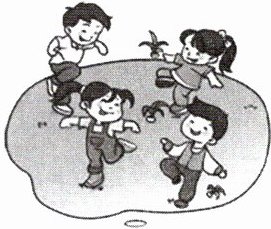
Traditional Chinese toys are part of the traditional Chinese culture. They make folk games and sports activities of China rich and colourful. Here is a traditional Chinese toy that many
children
(child)like to play—Chinese shuttlecocks(jiànzi).Shuttlecock kicking has
a
history of more than 2,000 years in China. People have played
(play)it since the Han Dynasty. Even now, Shuttlecock kicking is still one of the most popular activities. It can help people keep active and enjoy themselves
(they). People can play it indoors or outdoors, and it's a great way to get some exercise. Shuttlecocks can be played by one person or
several persons. Sometimes, five or six persons form a small circle, kicking a shuttlecock happily
(happy). There are also some people who like playing alone. Even when you play by
yourself, you can often attract other people and make them want to come around and watch you play.Making a shuttlecock is much
easier
(easy)than making many other traditional Chinese toys. You just need to find
(find)two or three flat washers(垫圈), put several feathers in the hole, and then put the feathers and the coins together with cloth strips. The rule of shuttlecock kicking is also easy: Keeping the shuttlecock in the air by using
(use)any part of your body except your hands.1.
children
2.
a
3.
have played
4.
themselves
5.
or
6.
happily
7.
by
8.
easier
9.
to find
10.
using
答案:四、1. children 2. a 3. have played 4. themselves 5. or 6. happily 7. by 8. easier 9. to find 10. using
解析:
翻译:
四、阅读短文,在文中空白处填入1个适当的单词,或用括号内所给单词的正确形式填空。
中国传统玩具是中国传统文化的一部分。它们使中国的民间游戏和体育活动丰富多彩。这里有一个很多孩子都喜欢玩的中国传统玩具——毽子。
在中国,踢毽子有两千多年的历史。从汉朝起人们就开始踢毽子了。即使到现在,踢毽子仍然是最受欢迎的活动之一。它能帮助人们保持活力并玩得开心。人们可以在室内或室外踢毽子,这是一种很好的锻炼方式。毽子可以一个人玩,也可以几个人一起玩。有时,五六个人围成一个小圈,快乐地踢毽子。也有一些人喜欢独自玩。即使你独自玩的时候,你也常常能吸引其他人,让他们想要围过来看你玩。
制作毽子比制作许多其他中国传统玩具容易得多。你只需要找到两三个平垫圈,在孔里插上几根羽毛,然后用布条把羽毛和硬币固定在一起。踢毽子的规则也很简单:用除手之外的身体任何部位让毽子保持在空中。
1. 孩子们(child的复数形式)
2. 一段(表示“一段历史”,用不定冠词a)
3. 已经玩(play的现在完成时形式,强调从过去到现在的动作)
4. 他们自己(they的反身代词,enjoy oneself表示“玩得开心”)
5. 或者(表示选择关系)
6. 快乐地(happy的副词形式,修饰动词kicking)
7. 独自(by oneself表示“独自”)
8. 更容易(easy的比较级形式,由than可知用比较级)
9. 找到(need to do sth.表示“需要做某事”)
10. 使用(by是介词,后接动名词形式)
四、阅读短文,在文中空白处填入1个适当的单词,或用括号内所给单词的正确形式填空。
中国传统玩具是中国传统文化的一部分。它们使中国的民间游戏和体育活动丰富多彩。这里有一个很多孩子都喜欢玩的中国传统玩具——毽子。
在中国,踢毽子有两千多年的历史。从汉朝起人们就开始踢毽子了。即使到现在,踢毽子仍然是最受欢迎的活动之一。它能帮助人们保持活力并玩得开心。人们可以在室内或室外踢毽子,这是一种很好的锻炼方式。毽子可以一个人玩,也可以几个人一起玩。有时,五六个人围成一个小圈,快乐地踢毽子。也有一些人喜欢独自玩。即使你独自玩的时候,你也常常能吸引其他人,让他们想要围过来看你玩。
制作毽子比制作许多其他中国传统玩具容易得多。你只需要找到两三个平垫圈,在孔里插上几根羽毛,然后用布条把羽毛和硬币固定在一起。踢毽子的规则也很简单:用除手之外的身体任何部位让毽子保持在空中。
1. 孩子们(child的复数形式)
2. 一段(表示“一段历史”,用不定冠词a)
3. 已经玩(play的现在完成时形式,强调从过去到现在的动作)
4. 他们自己(they的反身代词,enjoy oneself表示“玩得开心”)
5. 或者(表示选择关系)
6. 快乐地(happy的副词形式,修饰动词kicking)
7. 独自(by oneself表示“独自”)
8. 更容易(easy的比较级形式,由than可知用比较级)
9. 找到(need to do sth.表示“需要做某事”)
10. 使用(by是介词,后接动名词形式)