B
The Luban Pillow is a traditional Chinese wooden object that has been cherished for over 2,000 years. It is not only a functional item used for sleeping and sitting but also a symbol of Chinese technology and culture. People still love it today because of its practicality and cultural significance.
Qiao Yibing, a 54-year-old from Jinan, Shandong, is dedicated to carrying on this tradition. He is skilled at crafting Luban Pillows, which are made of a single piece of wood without nails or rivets(钉子和铆钉). Creating one Luban Pillow is a detailed process that takes Qiao about three days to complete.
Qiao makes pillows of different sizes, with some being big and others small. The smallest Luban Pillows, measuring just 5 cm by 1.5 cm, can serve various purposes such as handles(把手), armrests for writing or drawing, wrist rests, or even phone stand. These many uses show how well Luban Pillow fits into today's life.
Qiao Yibing sees the Luban Pillow as more than just a craft; it is a symbol of Chinese technology and culture. He believes that by continuing this tradition, he is preserving an important part of China's heritage. The Luban Pillow's complex design and historical value make it a cherished item both in China and abroad.
(
A. similar
B. unimportant
C. different
D. same
(
A. The Luban Pillow is a symbol of Chinese technology and culture.
B. Qiao Yibing is from Jinan, Shandong.
C. The Luban Pillow is made with nails and rivets.
D. The Luban Pillow has a complex design and historical value.
(
A. The history of Chinese culture.
B. The life of Qiao Yibing.
C. The technology of ancient China.
D. The Luban Pillow and its importance.
The Luban Pillow is a traditional Chinese wooden object that has been cherished for over 2,000 years. It is not only a functional item used for sleeping and sitting but also a symbol of Chinese technology and culture. People still love it today because of its practicality and cultural significance.
Qiao Yibing, a 54-year-old from Jinan, Shandong, is dedicated to carrying on this tradition. He is skilled at crafting Luban Pillows, which are made of a single piece of wood without nails or rivets(钉子和铆钉). Creating one Luban Pillow is a detailed process that takes Qiao about three days to complete.
Qiao makes pillows of different sizes, with some being big and others small. The smallest Luban Pillows, measuring just 5 cm by 1.5 cm, can serve various purposes such as handles(把手), armrests for writing or drawing, wrist rests, or even phone stand. These many uses show how well Luban Pillow fits into today's life.
Qiao Yibing sees the Luban Pillow as more than just a craft; it is a symbol of Chinese technology and culture. He believes that by continuing this tradition, he is preserving an important part of China's heritage. The Luban Pillow's complex design and historical value make it a cherished item both in China and abroad.
(
C
)4. What does the underlined word "various" in Paragraph 3 mean?A. similar
B. unimportant
C. different
D. same
(
C
)5. Which of the following is NOT true according to this passage?A. The Luban Pillow is a symbol of Chinese technology and culture.
B. Qiao Yibing is from Jinan, Shandong.
C. The Luban Pillow is made with nails and rivets.
D. The Luban Pillow has a complex design and historical value.
(
D
)6. What's the passage mainly about?A. The history of Chinese culture.
B. The life of Qiao Yibing.
C. The technology of ancient China.
D. The Luban Pillow and its importance.
答案:4.C 【点拨】根据"The smallest Luban Pillows, measuring just 5 cm by 1.5 cm, can serve various purposes such as handles(把手), armrests for writing or drawing,wrist rests, or even phone stand."可知,最小的鲁班枕有各种不同的用途,比如把手、书写或绘画的扶手、手腕靠垫,甚至手机支架。所以"various"意思是"不同的",与"different"同义。故选 C。
5.C 【点拨】根据"... are made of a single piece of wood without nails or rivets(钉子和铆钉)."可知,选项 C 与原文矛盾。故选 C。
6.D 【点拨】全文围绕鲁班枕的历史、工艺、用途及文化价值展开,强调其作为传统技艺的重要性。选项 D"鲁班枕及它的重要性"符合题意。故选 D。
5.C 【点拨】根据"... are made of a single piece of wood without nails or rivets(钉子和铆钉)."可知,选项 C 与原文矛盾。故选 C。
6.D 【点拨】全文围绕鲁班枕的历史、工艺、用途及文化价值展开,强调其作为传统技艺的重要性。选项 D"鲁班枕及它的重要性"符合题意。故选 D。
解析:
【分析】
这是一篇介绍传统手工艺品鲁班枕的说明文阅读,包含词义猜测、细节正误判断、主旨大意三类典型阅读题型。解题时,第4题词义猜测题先定位划线词所在句,结合后文列举的多种不同用途推导词义,匹配同义选项;第5题细节判断题将每个选项逐一返回原文定位比对,找出和原文表述矛盾的错误项即可;第6题主旨大意题需要串联全文的核心描述对象,排除过于宽泛、片面的干扰选项,选出最贴合全文内容的答案。
【解析】
4. 定位到第三段划线词"various"所在句,后文列举了小型鲁班枕可作为把手、书画扶手、腕托、手机支架等多种完全不同的用途,说明"various"的含义是“各种各样的、不同的”。选项A意为相似的,B意为不重要的,C意为不同的,D意为相同的,只有C符合词义。
5. 逐一核对选项:
选项A:原文第一段明确提到鲁班枕是中国科技和文化的象征,表述正确;
选项B:原文第二段开头说明乔一冰来自山东济南,表述正确;
选项C:原文第二段指出鲁班枕由一整块木头制成,没有钉子和铆钉,和选项中“用钉子和铆钉制作”的表述完全矛盾,表述错误;
选项D:原文最后一段提到鲁班枕设计复杂、拥有历史价值,表述正确。
因此本题选错误项C。
6. 全文围绕鲁班枕展开,依次介绍了它的悠久历史、制作工艺、多样用途、文化遗产价值,核心内容是鲁班枕本身以及它的重要意义。选项A“中国文化的历史”表述过于宽泛,选项B“乔一冰的生活”仅为文中部分内容过于片面,选项C“古代中国的科技”偏离核心描述对象,只有D“鲁班枕及其重要性”完全贴合全文主旨。
【答案】
4.C 5.C 6.D
【知识点】
词义猜测,细节理解,主旨大意
【点评】
本题属于传统文化类说明文阅读,贴合近年英语阅读的命题趋势,三个小题均为初中英语阅读的基础高频题型,只要掌握回文定位比对信息的基本解题方法就可以顺利得分,同时也能帮助学生了解鲁班枕这一传统非遗手工艺品的文化价值。
【难度系数】
0.8
这是一篇介绍传统手工艺品鲁班枕的说明文阅读,包含词义猜测、细节正误判断、主旨大意三类典型阅读题型。解题时,第4题词义猜测题先定位划线词所在句,结合后文列举的多种不同用途推导词义,匹配同义选项;第5题细节判断题将每个选项逐一返回原文定位比对,找出和原文表述矛盾的错误项即可;第6题主旨大意题需要串联全文的核心描述对象,排除过于宽泛、片面的干扰选项,选出最贴合全文内容的答案。
【解析】
4. 定位到第三段划线词"various"所在句,后文列举了小型鲁班枕可作为把手、书画扶手、腕托、手机支架等多种完全不同的用途,说明"various"的含义是“各种各样的、不同的”。选项A意为相似的,B意为不重要的,C意为不同的,D意为相同的,只有C符合词义。
5. 逐一核对选项:
选项A:原文第一段明确提到鲁班枕是中国科技和文化的象征,表述正确;
选项B:原文第二段开头说明乔一冰来自山东济南,表述正确;
选项C:原文第二段指出鲁班枕由一整块木头制成,没有钉子和铆钉,和选项中“用钉子和铆钉制作”的表述完全矛盾,表述错误;
选项D:原文最后一段提到鲁班枕设计复杂、拥有历史价值,表述正确。
因此本题选错误项C。
6. 全文围绕鲁班枕展开,依次介绍了它的悠久历史、制作工艺、多样用途、文化遗产价值,核心内容是鲁班枕本身以及它的重要意义。选项A“中国文化的历史”表述过于宽泛,选项B“乔一冰的生活”仅为文中部分内容过于片面,选项C“古代中国的科技”偏离核心描述对象,只有D“鲁班枕及其重要性”完全贴合全文主旨。
【答案】
4.C 5.C 6.D
【知识点】
词义猜测,细节理解,主旨大意
【点评】
本题属于传统文化类说明文阅读,贴合近年英语阅读的命题趋势,三个小题均为初中英语阅读的基础高频题型,只要掌握回文定位比对信息的基本解题方法就可以顺利得分,同时也能帮助学生了解鲁班枕这一传统非遗手工艺品的文化价值。
【难度系数】
0.8
C(2025·江苏盐城景山中学期中)
There is a little sparrow. He always looks for something to eat and one day he gets a big bean. But before he can eat it, he has to wash his hands. He hides(藏) the bean on a bridge and flies down to the river below to clean up.
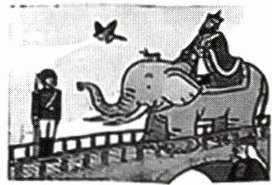
"I just can't wait for my wonderful breakfast," the sparrow says to himself. Then he makes his way back up to the bridge. "I won't have to work for a week!" But when he gets back to his hiding place, he can't find the bean!
As the sparrow flies around looking for his lost treasure, he sees a farmer coming over the bridge. "Excuse me, can you help me find my bean?" the sparrow asks. "Please, do I look like I have time to find a tiny bean? Find it yourself," says the farmer as he walks away.
The sparrow sees a soldier(士兵) coming over the bridge. He asks the soldier the same question. "Please, little bird, I have no time for you," he answers and walks on. Then a minister(大臣) comes walking by, but before the sparrow can even ask, he laughs and walks away. The little bird almost gives up hope, when the king comes up the bridge, riding on an elephant. The sparrow repeats(重复) his question, but the king doesn't take a look at him. The sparrow sits on the bridge, hungry and sad.
An ant comes by. After he hears the sparrow's story, he goes up to the elephant. "Tell the king to find that poor bird's food, or I will go inside your ear and bite(咬) you!" The elephant stops, turns to the king and says, "Help that sparrow, or I will throw you off." The king is very afraid. He calls the minister over and the minister orders the soldier. Then the soldier goes over to the farmer, "Find that bird's bean, or I'll kick you off this bridge!" The farmer searches for a whole day and he finds the bean. The sparrow is thankful, and he eats well for the next week.
(
A. On the bridge.
B. Under the bridge.
C. On the road.
D. We don't know.
(
①The sparrow hides the bean on the bridge.
②The ant asks the elephant to help the sparrow.
③The minister laughs and walks away.
④The sparrow sees a farmer coming over the bridge.
A. ①③②④
B. ④③①②
C. ①④③②
D. ③①④②
(
A. The next week.
B. In the morning.
C. At noon.
D. At the end of the day.
(
A. Breakfast is our treasure.
B. We should help people in need.
C. Prepare for the rainy day.
D. Never leave today's work for tomorrow.
There is a little sparrow. He always looks for something to eat and one day he gets a big bean. But before he can eat it, he has to wash his hands. He hides(藏) the bean on a bridge and flies down to the river below to clean up.
"I just can't wait for my wonderful breakfast," the sparrow says to himself. Then he makes his way back up to the bridge. "I won't have to work for a week!" But when he gets back to his hiding place, he can't find the bean!
As the sparrow flies around looking for his lost treasure, he sees a farmer coming over the bridge. "Excuse me, can you help me find my bean?" the sparrow asks. "Please, do I look like I have time to find a tiny bean? Find it yourself," says the farmer as he walks away.
The sparrow sees a soldier(士兵) coming over the bridge. He asks the soldier the same question. "Please, little bird, I have no time for you," he answers and walks on. Then a minister(大臣) comes walking by, but before the sparrow can even ask, he laughs and walks away. The little bird almost gives up hope, when the king comes up the bridge, riding on an elephant. The sparrow repeats(重复) his question, but the king doesn't take a look at him. The sparrow sits on the bridge, hungry and sad.
An ant comes by. After he hears the sparrow's story, he goes up to the elephant. "Tell the king to find that poor bird's food, or I will go inside your ear and bite(咬) you!" The elephant stops, turns to the king and says, "Help that sparrow, or I will throw you off." The king is very afraid. He calls the minister over and the minister orders the soldier. Then the soldier goes over to the farmer, "Find that bird's bean, or I'll kick you off this bridge!" The farmer searches for a whole day and he finds the bean. The sparrow is thankful, and he eats well for the next week.
(
A
)7. Where does the sparrow hide his bean?A. On the bridge.
B. Under the bridge.
C. On the road.
D. We don't know.
(
C
)8. 创新考法—信息排序 What's the correct order of the following sentences?①The sparrow hides the bean on the bridge.
②The ant asks the elephant to help the sparrow.
③The minister laughs and walks away.
④The sparrow sees a farmer coming over the bridge.
A. ①③②④
B. ④③①②
C. ①④③②
D. ③①④②
(
D
)9. When does the farmer find the bean?A. The next week.
B. In the morning.
C. At noon.
D. At the end of the day.
(
B
)10. What can you learn from the story?A. Breakfast is our treasure.
B. We should help people in need.
C. Prepare for the rainy day.
D. Never leave today's work for tomorrow.
答案:7.A 【点拨】根据"He hides(藏) the bean on a bridge and flies down to the river below to clean up."可知,他把豆子藏在桥上。故选 A。
8.C 【点拨】根据文章内容可知,正确的顺序是①④③②。故选 C。
9.D 【点拨】根据"The farmer searches for a whole day and he finds the bean."可知,农民找了一整天终于找到了豆子,所以农民是在一天结束的时候找到豆子的。故选 D。
10.B 【点拨】通读全文可知,本文讲述了小麻雀因为找不到食物而向别人求助,但都被拒绝,最后在蚂蚁的帮助下,通过一系列的事件,农民最终找到了麻雀藏的豆子,麻雀得以享用美食,这说明"我们应该帮助有需要的人"。故选 B。
8.C 【点拨】根据文章内容可知,正确的顺序是①④③②。故选 C。
9.D 【点拨】根据"The farmer searches for a whole day and he finds the bean."可知,农民找了一整天终于找到了豆子,所以农民是在一天结束的时候找到豆子的。故选 D。
10.B 【点拨】通读全文可知,本文讲述了小麻雀因为找不到食物而向别人求助,但都被拒绝,最后在蚂蚁的帮助下,通过一系列的事件,农民最终找到了麻雀藏的豆子,麻雀得以享用美食,这说明"我们应该帮助有需要的人"。故选 B。
解析:
【分析】
这是一篇寓言类阅读理解,解题时可以分题型逐个突破:1. 第7题是细节查找题,直接提取题干关键词“hide his bean”,回到原文第一段定位对应语句,就能直接得到藏豆子的位置;2. 第8题是事件排序题,先把四个待排序的事件全部在原文中标记出对应的位置,按照故事的叙事先后逻辑梳理顺序,先发生的是麻雀藏豆子,之后麻雀返回找不到豆子先遇到农民求助,接着遇到大臣被无视走开,最后蚂蚁出面请求大象帮忙,即可选出正确顺序;3. 第9题同样是细节题,定位关键词“farmer find the bean”到文章末尾,找到农民找豆子的时长描述,推导对应的时间节点;4. 第10题是主旨寓意题,通读全文梳理故事脉络:麻雀求助多个身份的人都被拒绝,最后靠蚂蚁的推动才找回豆子,故事意在传递主动帮助有困难的人的正向价值观,匹配对应选项即可。
【解析】
7. 根据原文第一段中“He hides(藏) the bean on a bridge and flies down to the river below to clean up.”的明确描述,可知麻雀把豆子藏在了桥上,对应选项A。
8. 梳理全文事件先后:①麻雀把豆子藏在桥上是故事最开头发生的事件;之后麻雀返回找不到豆子,④他看到一个农民从桥上走过并求助;求助农民无果后麻雀先后遇到士兵、大臣,③大臣笑着走开;最后小蚂蚁路过得知情况,②蚂蚁要求大象帮助麻雀。正确顺序为①④③②,对应选项C。
9. 根据原文最后一段“The farmer searches for a whole day and he finds the bean.”可知农民找了整整一天才找到豆子,也就是在一天结束的时候找到了豆子,对应选项D。
10. 通读全文可知,故事里麻雀向多个路人求助都被无视,最后才在蚂蚁的推动下找回豆子,意在告诉读者应当主动帮助身处困境、有需要的人。其余选项A“早餐是我们的宝藏”不符合故事核心,C“未雨绸缪”、D“今日事今日毕”都和故事内容无关,故选B。
【答案】
7.A 8.C 9.D 10.B
【知识点】
细节信息定位,事件顺序梳理,主旨大意归纳
【点评】
本题属于短篇寓言类阅读,整体难度偏低,多数题目都可以通过直接定位原文语句得到答案,仅最后一道主旨题需要学生结合全文内容区分不同寓意选项,能够有效锻炼学生的文本信息提取和逻辑梳理能力。
【难度系数】
0.8
这是一篇寓言类阅读理解,解题时可以分题型逐个突破:1. 第7题是细节查找题,直接提取题干关键词“hide his bean”,回到原文第一段定位对应语句,就能直接得到藏豆子的位置;2. 第8题是事件排序题,先把四个待排序的事件全部在原文中标记出对应的位置,按照故事的叙事先后逻辑梳理顺序,先发生的是麻雀藏豆子,之后麻雀返回找不到豆子先遇到农民求助,接着遇到大臣被无视走开,最后蚂蚁出面请求大象帮忙,即可选出正确顺序;3. 第9题同样是细节题,定位关键词“farmer find the bean”到文章末尾,找到农民找豆子的时长描述,推导对应的时间节点;4. 第10题是主旨寓意题,通读全文梳理故事脉络:麻雀求助多个身份的人都被拒绝,最后靠蚂蚁的推动才找回豆子,故事意在传递主动帮助有困难的人的正向价值观,匹配对应选项即可。
【解析】
7. 根据原文第一段中“He hides(藏) the bean on a bridge and flies down to the river below to clean up.”的明确描述,可知麻雀把豆子藏在了桥上,对应选项A。
8. 梳理全文事件先后:①麻雀把豆子藏在桥上是故事最开头发生的事件;之后麻雀返回找不到豆子,④他看到一个农民从桥上走过并求助;求助农民无果后麻雀先后遇到士兵、大臣,③大臣笑着走开;最后小蚂蚁路过得知情况,②蚂蚁要求大象帮助麻雀。正确顺序为①④③②,对应选项C。
9. 根据原文最后一段“The farmer searches for a whole day and he finds the bean.”可知农民找了整整一天才找到豆子,也就是在一天结束的时候找到了豆子,对应选项D。
10. 通读全文可知,故事里麻雀向多个路人求助都被无视,最后才在蚂蚁的推动下找回豆子,意在告诉读者应当主动帮助身处困境、有需要的人。其余选项A“早餐是我们的宝藏”不符合故事核心,C“未雨绸缪”、D“今日事今日毕”都和故事内容无关,故选B。
【答案】
7.A 8.C 9.D 10.B
【知识点】
细节信息定位,事件顺序梳理,主旨大意归纳
【点评】
本题属于短篇寓言类阅读,整体难度偏低,多数题目都可以通过直接定位原文语句得到答案,仅最后一道主旨题需要学生结合全文内容区分不同寓意选项,能够有效锻炼学生的文本信息提取和逻辑梳理能力。
【难度系数】
0.8