五、阅读理解
Jenny: Have you finished your English homework yet, Brian?
Brian: No. I just started writing my poem. Ms Cox said we could write a story or a poem, right?
Jenny: Yes. I haven't decided which one to write yet. I feel that it's easier to write a story. You should write one too.
Danny: I don't think so. Compared 相比 with poems, stories are usually longer. Every story has a beginning, a middle and an ending. It takes too much time to write one.
Jenny: That's true. But a story doesn't limit 限制 you like a poem does. With poems, you need to think about format, rhyme and meaning. You must use words very carefully because so few words are used in poems.
Danny: I know, but I still think it's easier to write a short poem.
Jenny: Although a poem has fewer words, it's not always easier to write. Every word must have power and meaning. If you think about it, it can take a long time to come up with the right words. Sometimes writing less takes more time than writing more.
Danny: It is hard, but I did it. I described something I love. Would you like to hear my poem?
Brian: You've already finished?
Danny: Yes! It was easy!
Jenny: We'd love to hear your poem, Danny.
The Donut
When I wake up on a warm sunny morning in spring, A hot, fresh and
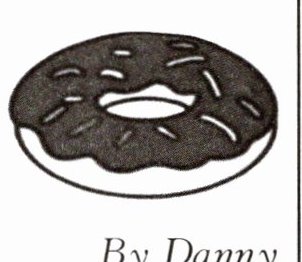
fat donut is my favourite thing. The smell of it gets me up on my feet. Like
it's calling me aloud to ▲! With its sweet circle in my mouth, I like to
think about going south. There, with my parents, I can go for a short stay,
To sit in the sunshine eating donuts all day!
By Danny
(
A. Because poems usually have longer lines.
B. Because she hasn't finished the poem yet.
C. Because poems have no clear beginnings or ends.
D. Because the words in poems must be carefully chosen.
(
A. eat B. treat C. beat D. repeat
(
A. The importance of rhyme in poems.
B. The best way to improve writing skills.
C. The differences between writing stories and poems.
D. The skills needed for writing stories and poems.
Jenny: Have you finished your English homework yet, Brian?
Brian: No. I just started writing my poem. Ms Cox said we could write a story or a poem, right?
Jenny: Yes. I haven't decided which one to write yet. I feel that it's easier to write a story. You should write one too.
Danny: I don't think so. Compared 相比 with poems, stories are usually longer. Every story has a beginning, a middle and an ending. It takes too much time to write one.
Jenny: That's true. But a story doesn't limit 限制 you like a poem does. With poems, you need to think about format, rhyme and meaning. You must use words very carefully because so few words are used in poems.
Danny: I know, but I still think it's easier to write a short poem.
Jenny: Although a poem has fewer words, it's not always easier to write. Every word must have power and meaning. If you think about it, it can take a long time to come up with the right words. Sometimes writing less takes more time than writing more.
Danny: It is hard, but I did it. I described something I love. Would you like to hear my poem?
Brian: You've already finished?
Danny: Yes! It was easy!
Jenny: We'd love to hear your poem, Danny.
The Donut
When I wake up on a warm sunny morning in spring, A hot, fresh and
fat donut is my favourite thing. The smell of it gets me up on my feet. Like
it's calling me aloud to ▲! With its sweet circle in my mouth, I like to
think about going south. There, with my parents, I can go for a short stay,
To sit in the sunshine eating donuts all day!
By Danny
(
D
)1. Why does Jenny find writing poems a bit hard?A. Because poems usually have longer lines.
B. Because she hasn't finished the poem yet.
C. Because poems have no clear beginnings or ends.
D. Because the words in poems must be carefully chosen.
(
A
)2. Which of the following words is the most suitable for the " ▲ " in the poem?A. eat B. treat C. beat D. repeat
(
C
)3. What is the conversation mainly about?A. The importance of rhyme in poems.
B. The best way to improve writing skills.
C. The differences between writing stories and poems.
D. The skills needed for writing stories and poems.
答案:1.D 2.A 3.C
解析:
【分析】
拿到这道阅读理解题,首先先通读全文的对话和Danny创作的小诗,理清整体内容:三名学生在讨论英语作业选择写故事还是写诗,分别表述了两种写作形式的特点,最后Danny分享了自己完成的关于甜甜圈的短诗。接下来逐题对应题干回到原文定位信息:第1题是细节题,直接查找Jenny表述写诗难度的相关语句即可;第2题要结合诗歌的语境逻辑,同时兼顾英语诗歌的押韵规律选出适配的词;第3题主旨大意题,梳理整个对话的核心讨论对象,排除偏离核心的选项就能得到正确答案。
【解析】
1. 细节定位:原文中Jenny明确表述"With poems, you need to think about format, rhyme and meaning. You must use words very carefully because so few words are used in poems",说明她认为写诗难的原因是诗歌里的用词必须精心挑选。逐一排除错误选项:A选项提到诗歌的行更长,和原文"stories are usually longer"的表述矛盾;B选项她没写完诗和题干询问的原因无关;C选项提到诗歌没有清晰的开头结尾,原文仅说明故事有开头、中间、结尾,并未提及诗歌没有明确结构,表述错误。因此本题选D。
2. 语境推理:诗歌前文提到甜甜圈的香味把自己唤起,结合全文甜甜圈的主题,这里的逻辑是甜甜圈仿佛在召唤自己去享用它,同时前一句末尾的单词feet和选项A的eat发音押韵,符合短诗的押韵规则。其余选项treat(款待)、beat(击打)、repeat(重复)都不符合语境逻辑,因此本题选A。
3. 主旨判断:整个对话全程围绕写故事和写诗的耗时、要求、特点展开对比,核心讨论的是两种写作形式的差异。其余选项:A仅提到诗歌押韵的重要性,只是对话的细碎细节并非主旨;B提到提升写作技巧的最佳方法,全文完全没有相关表述;D重点讲两种写作需要的技巧,对话并未侧重讲解写作技巧,核心是对比两者区别。因此本题选C。
【答案】1.D 2.A 3.C
【知识点】
阅读理解细节定位,阅读理解主旨判断,英语诗歌常识
【点评】
本题选材贴近学生校园日常场景,搭配趣味的甜甜圈主题小诗,题目设置梯度合理,既考察学生快速从原文定位关键信息的基础能力,也考察学生结合语境推理、把握全文核心主旨的能力,适合巩固阅读理解的基础解题方法。
【难度系数】0.7
拿到这道阅读理解题,首先先通读全文的对话和Danny创作的小诗,理清整体内容:三名学生在讨论英语作业选择写故事还是写诗,分别表述了两种写作形式的特点,最后Danny分享了自己完成的关于甜甜圈的短诗。接下来逐题对应题干回到原文定位信息:第1题是细节题,直接查找Jenny表述写诗难度的相关语句即可;第2题要结合诗歌的语境逻辑,同时兼顾英语诗歌的押韵规律选出适配的词;第3题主旨大意题,梳理整个对话的核心讨论对象,排除偏离核心的选项就能得到正确答案。
【解析】
1. 细节定位:原文中Jenny明确表述"With poems, you need to think about format, rhyme and meaning. You must use words very carefully because so few words are used in poems",说明她认为写诗难的原因是诗歌里的用词必须精心挑选。逐一排除错误选项:A选项提到诗歌的行更长,和原文"stories are usually longer"的表述矛盾;B选项她没写完诗和题干询问的原因无关;C选项提到诗歌没有清晰的开头结尾,原文仅说明故事有开头、中间、结尾,并未提及诗歌没有明确结构,表述错误。因此本题选D。
2. 语境推理:诗歌前文提到甜甜圈的香味把自己唤起,结合全文甜甜圈的主题,这里的逻辑是甜甜圈仿佛在召唤自己去享用它,同时前一句末尾的单词feet和选项A的eat发音押韵,符合短诗的押韵规则。其余选项treat(款待)、beat(击打)、repeat(重复)都不符合语境逻辑,因此本题选A。
3. 主旨判断:整个对话全程围绕写故事和写诗的耗时、要求、特点展开对比,核心讨论的是两种写作形式的差异。其余选项:A仅提到诗歌押韵的重要性,只是对话的细碎细节并非主旨;B提到提升写作技巧的最佳方法,全文完全没有相关表述;D重点讲两种写作需要的技巧,对话并未侧重讲解写作技巧,核心是对比两者区别。因此本题选C。
【答案】1.D 2.A 3.C
【知识点】
阅读理解细节定位,阅读理解主旨判断,英语诗歌常识
【点评】
本题选材贴近学生校园日常场景,搭配趣味的甜甜圈主题小诗,题目设置梯度合理,既考察学生快速从原文定位关键信息的基础能力,也考察学生结合语境推理、把握全文核心主旨的能力,适合巩固阅读理解的基础解题方法。
【难度系数】0.7