C
[2025南通市海安市期中]① The ocean is home to masses of small floating living things called zooplankton(浮游动物). Some are as tiny as 0.04 inches long, and they spend most of their lives asleep, deep in the ocean. New research has shone a light on how these little creatures are important for helping to protect the planet against global warming.
② The research, led by scientists from China, the UK and Canada, focused on the Southern Ocean (also known as the Antarctic Ocean). The Southern Ocean covers about one sixteenth of Earth’s total ocean area.
③ The team studied types of zooplankton called copepods, krill(磷虾), and salps. All of these creatures eat tiny plant-like living things called phytoplankton(浮游植物), which live near the sea's surface and absorb(吸收) carbon dioxide (CO₂), a greenhouse gas. Greenhouse gases trap the Sun’s heat in the atmosphere, contributing to climate change. In winter, the zooplankton sink about 1,600 feet below the surface of the ocean. There they slowly breathe out the carbon dioxide from the phytoplankton they have eaten, releasing(释放) it into the water. This process is called the “seasonal migrant pump”. Each year, it transports about 65 million tonnes of carbon to areas far below the ocean’s surface. Because the zooplankton are so deep down, the gas they release takes many years, sometimes even centuries, to rise to the surface and enter Earth's atmosphere.
④ Angus Atkinson, who worked on the study, told BBC News that without the seasonal migrant pump, the levels of carbon dioxide in the atmosphere would be double what they are now.
⑤ Guang Yang, another researcher, said zooplankton are “unsung heroes” of carbon storage. The team hopes the study will encourage scientists to include zooplankton in their calculations of how much carbon is stored around the world. It also highlights the importance of protecting the Southern Ocean, where krill are in danger because of fishing. Environmental activists say people should be careful not to damage krill populations, which are not only a food source for whales, seals, penguins, and seabirds but also help fight climate change.
(
A. wondered B. shown C. imagined D. doubted
(
A. It’s taken in by sea animals quickly.
B. It stays deep in the ocean for a long time.
C. It is used by phytoplankton again.
D. It turns into a different gas under the sea.
(
(
A. New Ways to Store Carbon in the Ocean
B. The Importance of Protecting the Southern Ocean
C. How Krill Are Endangered by Fishing
D. Zooplankton: The Unsung Heroes Fighting Climate Change
D
[2025南通市海安市期中]① The ocean is home to masses of small floating living things called zooplankton(浮游动物). Some are as tiny as 0.04 inches long, and they spend most of their lives asleep, deep in the ocean. New research has shone a light on how these little creatures are important for helping to protect the planet against global warming.
② The research, led by scientists from China, the UK and Canada, focused on the Southern Ocean (also known as the Antarctic Ocean). The Southern Ocean covers about one sixteenth of Earth’s total ocean area.
③ The team studied types of zooplankton called copepods, krill(磷虾), and salps. All of these creatures eat tiny plant-like living things called phytoplankton(浮游植物), which live near the sea's surface and absorb(吸收) carbon dioxide (CO₂), a greenhouse gas. Greenhouse gases trap the Sun’s heat in the atmosphere, contributing to climate change. In winter, the zooplankton sink about 1,600 feet below the surface of the ocean. There they slowly breathe out the carbon dioxide from the phytoplankton they have eaten, releasing(释放) it into the water. This process is called the “seasonal migrant pump”. Each year, it transports about 65 million tonnes of carbon to areas far below the ocean’s surface. Because the zooplankton are so deep down, the gas they release takes many years, sometimes even centuries, to rise to the surface and enter Earth's atmosphere.
④ Angus Atkinson, who worked on the study, told BBC News that without the seasonal migrant pump, the levels of carbon dioxide in the atmosphere would be double what they are now.
⑤ Guang Yang, another researcher, said zooplankton are “unsung heroes” of carbon storage. The team hopes the study will encourage scientists to include zooplankton in their calculations of how much carbon is stored around the world. It also highlights the importance of protecting the Southern Ocean, where krill are in danger because of fishing. Environmental activists say people should be careful not to damage krill populations, which are not only a food source for whales, seals, penguins, and seabirds but also help fight climate change.
(
B
)33. What does the phrase “shone a light on” probably mean?A. wondered B. shown C. imagined D. doubted
(
B
)34. Why is the carbon released by zooplankton slow to enter the atmosphere?A. It’s taken in by sea animals quickly.
B. It stays deep in the ocean for a long time.
C. It is used by phytoplankton again.
D. It turns into a different gas under the sea.
(
A
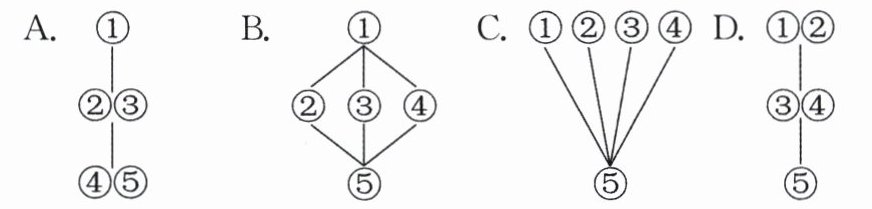
)35. Which of the following describes the structure of the passage?(
D
)36. What's the best title of the passage?A. New Ways to Store Carbon in the Ocean
B. The Importance of Protecting the Southern Ocean
C. How Krill Are Endangered by Fishing
D. Zooplankton: The Unsung Heroes Fighting Climate Change
D
答案:33. B 词义猜测题。根据“New research has shone a light on how these little creatures are important for helping to protect the planet against global warming.”可知,新的研究表明,这些小生物对于帮助保护地球免受全球变暖的影响非常重要,该短语意为“表明”,与 shown 意思相近。
34. B
35. A 篇章结构题。①段总述浮游动物的作用;②③段分述研究及储碳原理;④⑤段补充研究者观点与保护意义。
36. D 标题概括题。通读全文可知,浮游动物通过碳封存,在对抗气候变化中发挥关键作用,被称为“无名英雄”,D选项是本文的最佳标题。
34. B
35. A 篇章结构题。①段总述浮游动物的作用;②③段分述研究及储碳原理;④⑤段补充研究者观点与保护意义。
36. D 标题概括题。通读全文可知,浮游动物通过碳封存,在对抗气候变化中发挥关键作用,被称为“无名英雄”,D选项是本文的最佳标题。
解析:
【分析】
本题为英语阅读理解题,包含词义猜测、细节理解、篇章结构、标题概括四类题型。解题思路如下:33题需结合上下文语境猜测短语含义;34题通过定位原文细节找问题原因;35题梳理文章各段落核心内容判断篇章结构;36题需概括全文主旨选择最贴合的标题。
【解析】
33. 词义猜测题:定位第①段“New research has shone a light on how these little creatures are important for helping to protect the planet against global warming.”,结合语境可知,新研究“表明”了浮游动物对抗全球变暖的重要性,“shone a light on”意为“表明”,与选项B(shown)意思相近,A(想知道)、C(想象)、D(怀疑)均不符合语境,故选B。
34. 细节理解题:定位第③段最后一句“Because the zooplankton are so deep down, the gas they release takes many years, sometimes even centuries, to rise to the surface and enter Earth's atmosphere.”,可知浮游动物释放的气体因处于深海,需很长时间才能进入大气,对应选项B,故选B。
35. 篇章结构题:第①段总述浮游动物对抗全球变暖的重要性;第②③段分述研究对象、南大洋及“季节性迁徙泵”的储碳原理;第④⑤段补充研究者观点与保护意义,对应选项A的结构,故选A。
36. 标题概括题:全文围绕浮游动物通过碳封存对抗气候变化展开,被研究者称为“无名英雄”,A选项“新的海洋储碳方式”片面,B选项侧重保护南大洋、C选项侧重磷虾濒危均非主旨,D选项“Zooplankton: The Unsung Heroes Fighting Climate Change”最贴合主旨,故选D。
【答案】
33.B 34.B 35.A 36.D
【知识点】
词义猜测题、细节理解题、主旨大意题
【点评】
本题考查英语阅读理解的多种核心题型,需学生掌握不同题型的解题方法:词义猜测结合语境、细节题精准定位原文、结构题梳理段落逻辑、标题题概括全文主旨,整体难度适中,能较好考查学生的阅读理解能力。
【难度系数】
0.6
本题为英语阅读理解题,包含词义猜测、细节理解、篇章结构、标题概括四类题型。解题思路如下:33题需结合上下文语境猜测短语含义;34题通过定位原文细节找问题原因;35题梳理文章各段落核心内容判断篇章结构;36题需概括全文主旨选择最贴合的标题。
【解析】
33. 词义猜测题:定位第①段“New research has shone a light on how these little creatures are important for helping to protect the planet against global warming.”,结合语境可知,新研究“表明”了浮游动物对抗全球变暖的重要性,“shone a light on”意为“表明”,与选项B(shown)意思相近,A(想知道)、C(想象)、D(怀疑)均不符合语境,故选B。
34. 细节理解题:定位第③段最后一句“Because the zooplankton are so deep down, the gas they release takes many years, sometimes even centuries, to rise to the surface and enter Earth's atmosphere.”,可知浮游动物释放的气体因处于深海,需很长时间才能进入大气,对应选项B,故选B。
35. 篇章结构题:第①段总述浮游动物对抗全球变暖的重要性;第②③段分述研究对象、南大洋及“季节性迁徙泵”的储碳原理;第④⑤段补充研究者观点与保护意义,对应选项A的结构,故选A。
36. 标题概括题:全文围绕浮游动物通过碳封存对抗气候变化展开,被研究者称为“无名英雄”,A选项“新的海洋储碳方式”片面,B选项侧重保护南大洋、C选项侧重磷虾濒危均非主旨,D选项“Zooplankton: The Unsung Heroes Fighting Climate Change”最贴合主旨,故选D。
【答案】
33.B 34.B 35.A 36.D
【知识点】
词义猜测题、细节理解题、主旨大意题
【点评】
本题考查英语阅读理解的多种核心题型,需学生掌握不同题型的解题方法:词义猜测结合语境、细节题精准定位原文、结构题梳理段落逻辑、标题题概括全文主旨,整体难度适中,能较好考查学生的阅读理解能力。
【难度系数】
0.6