B
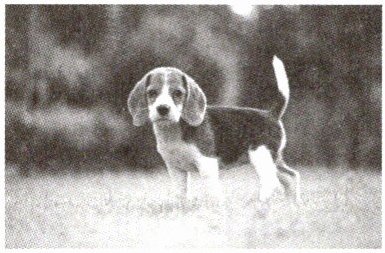
We went to an animal shelter to adopt a puppy, but in reality, it was the puppy who adopted us. As we looked into the cage, a small, three-month-old beagle(小猎兔狗) puppy began wagging her tail. She seemed to say, “Oh, you’re the family I’ve been looking for!” And for the next fifteen years, Pudding (we named her Pudding because she was as sweet as a pudding dessert) became part of our family.
Pets are always popular in Western countries. Now, China is also discovering its love for cats and dogs. The pet industry, which sells food and toys as well as grooming(刷洗梳毛) and vet services, is one of the country's fastest-growing industries.
Pets bring a lot of joy to your home, but they are also a big duty. Pets are not toys. You cannot put them away when you are tired of them. Dogs, in particular, need to be trained to behave properly and they need exercise. Even in bad weather, you have to take them for walks or for a run in the park. While you are training your dog, your dog is also training you to think about others and care about others, not just about yourself.
Pudding was my best friend when I was growing up. We sat together on the sofa and watched television. She kept me company when I was doing my homework. And when I came home, she was always there to greet me, leaping up and barking and wagging her tail.
Pudding is now gone, but you can still recognize her in old family photos: she is the one wearing fur.
词汇
shelter /'ʃeltə(r)/ n. 收容所
adopt /ə'dɒpt/ v. 领养
wag one's tail 摇尾巴
discover /dɪ'skʌvə(r)/ v. 发现;认识到
be tired of 对……厌倦
in particular 特别
behave /bɪ'heɪv/ v. 表现
properly /'prɒpəli/ adv. 恰当地
keep sb company 陪伴某人
recognize /'rekəgnaɪz/ v. 认出,辨别出
句型
1. ... but in reality, it was the puppy who adopted us. ……但实际上,是小狗选择了我们。
“It is/was+被强调部分+that/who…”是强调句型,可以强调主语、宾语和状语。
⇒ It is Mum who does the house cleaning every day.
2. While you are training your dog, your dog is also training you to think about others and care about others, not just about yourself. 当你训练你的狗的时候,你的狗也在训练你考虑他人和关心他人,而不仅仅是关心你自己。
while 意为“当……的时候”,引导时间状语从句。
⇒ While the other children played together, the little boy remained silent.
3. And when I came home, she was always there to greet me, leaping up and barking and wagging her tail. 当我回到家时,她总是在那里迎接我,跳起来,汪汪叫并摇摆她的尾巴。
leaping、barking、wagging 为分词,作 greet me 的方式状语。
⇒ Horses sleep, standing.
理解
1. What can dogs teach you when you are training them?
2. Do you want to have a pet dog? Share your reasons.
课外泛读
The broken horse
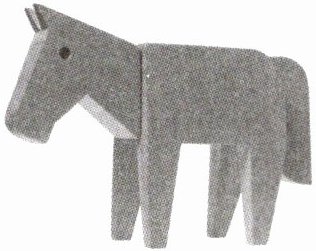
Tina was a 6-year-old cute girl. She likes wooden(木制的) toys very much. She had a beautiful wooden horse from her uncle when she was 2 years old. The wooden horse was her close friend. She has a 9-year-old brother. She went on a vacation in the woods with her family. She took the wooden horse with her. She enjoyed her holiday with her family in the woods. While she was packing(收拾) things with her brother as they planned to return home, the wooden horse fell down and one of its legs was broken(破损的). Tina was too sad and cried for her horse.
She was very upset. They packed all things and left the woods. The whole family tried to cheer up(使高兴) the sweet little girl, but Tina was so quiet, very upset.
They had a break for lunch and Tina refused(拒绝) to eat. Her mother requested(请求) her to eat food, and she ate very little.
While others were eating, she sat quietly in their car. Her brother came to her, kissed her cheek(脸颊) and told her, “Tina, dear, don’t worry; don’t get upset dear. It is only a wooden toy. The horse doesn’t have a life like us and it is just a lifeless(无生命的) thing. Don’t be so sad for the broken leg. Even if(即使) the horse loses its tail, it won’t be hurting the horse. Even if all four legs are broken, the wooden horse is the same. Even if the horse loses its head, it won’t be painful. I will buy a new wooden horse for you!”
Tina said, “You think it doesn’t matter that a leg of my pet toy was broken?”
Her brother said, “Yes, dear!”
Tina said, “Yes, brother, you are right. It won’t be a big deal(大事) for you, even if the horse is broken into pieces. But if you were at my age and had a pet like I had, you would feel how painful it would be even if a small part of the horse was broken!”
Her brother left quietly!
Just like Tina, everyone has different feelings of different aspects(方面). What we thought of no importance will be a treasure(珍宝) of somebody!
理解
1. Why did Tina cry?
2. If you were the brother, what would you say to Tina?
We went to an animal shelter to adopt a puppy, but in reality, it was the puppy who adopted us. As we looked into the cage, a small, three-month-old beagle(小猎兔狗) puppy began wagging her tail. She seemed to say, “Oh, you’re the family I’ve been looking for!” And for the next fifteen years, Pudding (we named her Pudding because she was as sweet as a pudding dessert) became part of our family.
Pets are always popular in Western countries. Now, China is also discovering its love for cats and dogs. The pet industry, which sells food and toys as well as grooming(刷洗梳毛) and vet services, is one of the country's fastest-growing industries.
Pets bring a lot of joy to your home, but they are also a big duty. Pets are not toys. You cannot put them away when you are tired of them. Dogs, in particular, need to be trained to behave properly and they need exercise. Even in bad weather, you have to take them for walks or for a run in the park. While you are training your dog, your dog is also training you to think about others and care about others, not just about yourself.
Pudding was my best friend when I was growing up. We sat together on the sofa and watched television. She kept me company when I was doing my homework. And when I came home, she was always there to greet me, leaping up and barking and wagging her tail.
Pudding is now gone, but you can still recognize her in old family photos: she is the one wearing fur.
词汇
shelter /'ʃeltə(r)/ n. 收容所
adopt /ə'dɒpt/ v. 领养
wag one's tail 摇尾巴
discover /dɪ'skʌvə(r)/ v. 发现;认识到
be tired of 对……厌倦
in particular 特别
behave /bɪ'heɪv/ v. 表现
properly /'prɒpəli/ adv. 恰当地
keep sb company 陪伴某人
recognize /'rekəgnaɪz/ v. 认出,辨别出
句型
1. ... but in reality, it was the puppy who adopted us. ……但实际上,是小狗选择了我们。
“It is/was+被强调部分+that/who…”是强调句型,可以强调主语、宾语和状语。
⇒ It is Mum who does the house cleaning every day.
2. While you are training your dog, your dog is also training you to think about others and care about others, not just about yourself. 当你训练你的狗的时候,你的狗也在训练你考虑他人和关心他人,而不仅仅是关心你自己。
while 意为“当……的时候”,引导时间状语从句。
⇒ While the other children played together, the little boy remained silent.
3. And when I came home, she was always there to greet me, leaping up and barking and wagging her tail. 当我回到家时,她总是在那里迎接我,跳起来,汪汪叫并摇摆她的尾巴。
leaping、barking、wagging 为分词,作 greet me 的方式状语。
⇒ Horses sleep, standing.
理解
1. What can dogs teach you when you are training them?
Our dogs can teach us to think about others and care about others, not just about ourselves.
2. Do you want to have a pet dog? Share your reasons.
I want to have a pet dog. It can keep me company. Besides, it can remind me of doing exercise every day.
课外泛读
The broken horse
Tina was a 6-year-old cute girl. She likes wooden(木制的) toys very much. She had a beautiful wooden horse from her uncle when she was 2 years old. The wooden horse was her close friend. She has a 9-year-old brother. She went on a vacation in the woods with her family. She took the wooden horse with her. She enjoyed her holiday with her family in the woods. While she was packing(收拾) things with her brother as they planned to return home, the wooden horse fell down and one of its legs was broken(破损的). Tina was too sad and cried for her horse.
She was very upset. They packed all things and left the woods. The whole family tried to cheer up(使高兴) the sweet little girl, but Tina was so quiet, very upset.
They had a break for lunch and Tina refused(拒绝) to eat. Her mother requested(请求) her to eat food, and she ate very little.
While others were eating, she sat quietly in their car. Her brother came to her, kissed her cheek(脸颊) and told her, “Tina, dear, don’t worry; don’t get upset dear. It is only a wooden toy. The horse doesn’t have a life like us and it is just a lifeless(无生命的) thing. Don’t be so sad for the broken leg. Even if(即使) the horse loses its tail, it won’t be hurting the horse. Even if all four legs are broken, the wooden horse is the same. Even if the horse loses its head, it won’t be painful. I will buy a new wooden horse for you!”
Tina said, “You think it doesn’t matter that a leg of my pet toy was broken?”
Her brother said, “Yes, dear!”
Tina said, “Yes, brother, you are right. It won’t be a big deal(大事) for you, even if the horse is broken into pieces. But if you were at my age and had a pet like I had, you would feel how painful it would be even if a small part of the horse was broken!”
Her brother left quietly!
Just like Tina, everyone has different feelings of different aspects(方面). What we thought of no importance will be a treasure(珍宝) of somebody!
理解
1. Why did Tina cry?
Because the wooden horse fell down and one of its legs was broken.
2. If you were the brother, what would you say to Tina?
Dear sister, don't cry. I know the wooden horse is important for you, so I will fix the horse's leg.
答案:1. Our dogs can teach us to think about others and care about others, not just about ourselves.
2. I want to have a pet dog. It can keep me company. Besides, it can remind me of doing exercise every day.
1. Because the wooden horse fell down and one of its legs was broken.
2. Dear sister, don't cry. I know the wooden horse is important for you, so I will fix the horse's leg.
2. I want to have a pet dog. It can keep me company. Besides, it can remind me of doing exercise every day.
1. Because the wooden horse fell down and one of its legs was broken.
2. Dear sister, don't cry. I know the wooden horse is important for you, so I will fix the horse's leg.
解析:
【分析】
本题为两篇阅读理解题,解题思路如下:1. 针对细节类问题,需先定位问题对应的原文段落,提取关键信息作答;2. 针对开放性问题,需结合原文主旨(如宠物的陪伴意义、物品对个人的特殊价值),结合自身合理表达观点。
【解析】
1. 第一部分第1题:定位到原文第三段最后一句,提取“训练狗时狗能教我们考虑他人、关心他人,而非只关注自己”的内容作答;
2. 第一部分第2题:开放性问题,可结合宠物的陪伴、督促锻炼等积极意义,给出合理理由;
3. 第二部分第1题:定位到原文第一段末尾,找到“木马摔断了一条腿,Tina因此难过哭泣”的关键信息,提取原因作答;
4. 第二部分第2题:开放性问题,需体现对Tina感受的理解,表达帮助的意愿(如修复木马),符合语境即可。
【答案】
1. Our dogs can teach us to think about others and care about others, not just about ourselves.
2. I want to have a pet dog. It can keep me company. Besides, it can remind me of doing exercise every day.
1. Because the wooden horse fell down and one of its legs was broken.
2. Dear sister, don't cry. I know the wooden horse is important for you, so I will fix the horse's leg.
【知识点】
阅读理解细节查找、开放性问题作答、语篇主旨理解
【点评】
本题选取贴近生活的两篇短文,既考查学生对原文细节信息的定位提取能力,也考查结合语篇主旨的开放性表达能力,难度适中,适合学生练习。
【难度系数】
0.6
本题为两篇阅读理解题,解题思路如下:1. 针对细节类问题,需先定位问题对应的原文段落,提取关键信息作答;2. 针对开放性问题,需结合原文主旨(如宠物的陪伴意义、物品对个人的特殊价值),结合自身合理表达观点。
【解析】
1. 第一部分第1题:定位到原文第三段最后一句,提取“训练狗时狗能教我们考虑他人、关心他人,而非只关注自己”的内容作答;
2. 第一部分第2题:开放性问题,可结合宠物的陪伴、督促锻炼等积极意义,给出合理理由;
3. 第二部分第1题:定位到原文第一段末尾,找到“木马摔断了一条腿,Tina因此难过哭泣”的关键信息,提取原因作答;
4. 第二部分第2题:开放性问题,需体现对Tina感受的理解,表达帮助的意愿(如修复木马),符合语境即可。
【答案】
1. Our dogs can teach us to think about others and care about others, not just about ourselves.
2. I want to have a pet dog. It can keep me company. Besides, it can remind me of doing exercise every day.
1. Because the wooden horse fell down and one of its legs was broken.
2. Dear sister, don't cry. I know the wooden horse is important for you, so I will fix the horse's leg.
【知识点】
阅读理解细节查找、开放性问题作答、语篇主旨理解
【点评】
本题选取贴近生活的两篇短文,既考查学生对原文细节信息的定位提取能力,也考查结合语篇主旨的开放性表达能力,难度适中,适合学生练习。
【难度系数】
0.6