B
“Mum, I’mbored ,” said Jason. “There is nothing to do.” “You can clean your room,” said Mum. “That’s not fun.” It was only the second week of summer vacation. It was still too cool to go to the pool, and Jason was tired of watching TV. His friends were away on vacation , and even his dog, Riley, was being lazy.
Mum was getting ready to go downtown to the food kitchen to help out. Shevolunteered three times a week to serve lunch to people that weren’t as lucky as Jason. “Why don’t you come with me to the food kitchen and help out?” Mum asked. “I don’t know anything about working at a food kitchen,” said Jason. “You just watch me, and then you will see how to serve the food,” said Mum.
It was time to go, and Jason was excited to try working in the food kitchen. He watched his mum put some turkey on a plate and some potatoes. She then passed the plate to the next lady, and she put some green beans and bread on the plate. “I can do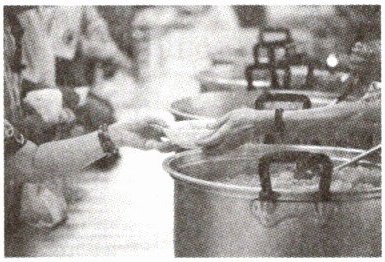
that,” thought Jason. One of the volunteers left early, so Jasontook over her place in the serving line. He was to put salad on the plates. He served twenty-five people that day. After the kitchen closed, Jason and his mum stayed to clean up. “That was great!” said Jason.
Jason was so excited and really enjoyed his day at the food kitchen. He couldn’t wait to get home and tell his dad about how much fun he had. “Not only did it give me something to do, but I felt so amazing doing it,” Jason told his dad. “Jason, that was a nice thing you did today.”
Jason went to bed that night thinking about the food kitchen. “I am going to help out again,” he thought. Jason made some new friends, and he didn’t even know they lived so close to him in town! The best part was how good Jason felt inside.
词汇
bored /bɔːd/ adj. 烦闷的 on vacation 度假
volunteer /ˌvɒlənˈtɪə(r)/ v. 自愿做,无偿做
serve /sɜːv/ v. (给某人)提供 take over 接管
句型
1. He couldn’t wait to get home and tell his dad about how much fun he had. 他迫不及待地想到家告诉他爸爸他玩得多开心。
can’t/couldn’t wait to do 迫不及待做
⇒ —I can’t wait to be grown up. —All in good time.
2. Not only did it give me something to do, but I felt so amazing doing it. 它不仅给了我一些事情去做,而且我感觉这样做很棒。
not only... but (also)... 意为“不仅……而且……”,可连接两个分句(并列句),即 not only 和 but (also)后面都有主谓结构。若 not only 位于第一分句的主语之前,则该分句要部分倒装。
⇒ Not only was he kind to the students, but also he was strict with them.
理解
1. What did Jason do after the kitchen closed?
2. Share your experience of helping your mum with the housework.
课外泛读
The tree and the travellers
Once, there was a huge tree right in the middle of a dry land. The tree gave rest and shade (树荫) to hundreds and thousands of travellers. Being located near four towns and many villages, the tree was a perfect meeting place for travellers.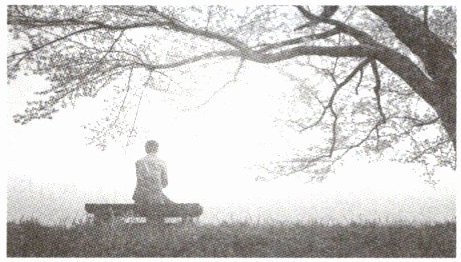
One day, two travellers reached the tree after a long time of walking. Their destination(目的地) was one of the towns nearby. It was a hot and sunny day, and the travellers were very happy to take a rest under the tree. Tired, they slept under the tree for a while, enjoying the cool shade and the soft breeze(微风).
After a while, one of the travellers got hungry. They had no food with them. The hungry traveller looked up at the tree to see if there was any fruit. Finding none, he began to curse(咒骂) the tree. “Oh, this is just a useless tree and it has nothing to feed (给……食物) us, not even a fruit or even nuts! It is of no use!”
The other traveller comforted him and asked him to stay cool. However, the hungry man continued cursing the tree.
The tree, which could not stand the cursing words of the traveller, said in a sad yet strong voice, “You can’t be so ungrateful(忘恩负义的) to me. Just think of yourself when you reached here in the hot and dry sun! I offered you a cool and comfortable place to rest and sleep with a soft breeze. I saved you from the hot sun, but you curse me!”
The traveller realized his mistake and said sorry to the tree.
理解
1. Why did the hungry traveller curse the tree?
2. What do you learn from the story?
“Mum, I’m
Mum was getting ready to go downtown to the food kitchen to help out. She
It was time to go, and Jason was excited to try working in the food kitchen. He watched his mum put some turkey on a plate and some potatoes. She then passed the plate to the next lady, and she put some green beans and bread on the plate. “I can do
that,” thought Jason. One of the volunteers left early, so Jason
Jason was so excited and really enjoyed his day at the food kitchen. He couldn’t wait to get home and tell his dad about how much fun he had. “Not only did it give me something to do, but I felt so amazing doing it,” Jason told his dad. “Jason, that was a nice thing you did today.”
Jason went to bed that night thinking about the food kitchen. “I am going to help out again,” he thought. Jason made some new friends, and he didn’t even know they lived so close to him in town! The best part was how good Jason felt inside.
词汇
bored /bɔːd/ adj. 烦闷的 on vacation 度假
volunteer /ˌvɒlənˈtɪə(r)/ v. 自愿做,无偿做
serve /sɜːv/ v. (给某人)提供 take over 接管
句型
1. He couldn’t wait to get home and tell his dad about how much fun he had. 他迫不及待地想到家告诉他爸爸他玩得多开心。
can’t/couldn’t wait to do 迫不及待做
⇒ —I can’t wait to be grown up. —All in good time.
2. Not only did it give me something to do, but I felt so amazing doing it. 它不仅给了我一些事情去做,而且我感觉这样做很棒。
not only... but (also)... 意为“不仅……而且……”,可连接两个分句(并列句),即 not only 和 but (also)后面都有主谓结构。若 not only 位于第一分句的主语之前,则该分句要部分倒装。
⇒ Not only was he kind to the students, but also he was strict with them.
理解
1. What did Jason do after the kitchen closed?
He stayed there to clean up.
2. Share your experience of helping your mum with the housework.
Before Chinese New Year, I often volunteer to help my mum clean the house. First, I put my books and pens on the shelf. Then, I hang my clothes on the wall. Finally, I mop the floor and clean the window. My parents are proud of what I do.
课外泛读
The tree and the travellers
Once, there was a huge tree right in the middle of a dry land. The tree gave rest and shade (树荫) to hundreds and thousands of travellers. Being located near four towns and many villages, the tree was a perfect meeting place for travellers.
One day, two travellers reached the tree after a long time of walking. Their destination(目的地) was one of the towns nearby. It was a hot and sunny day, and the travellers were very happy to take a rest under the tree. Tired, they slept under the tree for a while, enjoying the cool shade and the soft breeze(微风).
After a while, one of the travellers got hungry. They had no food with them. The hungry traveller looked up at the tree to see if there was any fruit. Finding none, he began to curse(咒骂) the tree. “Oh, this is just a useless tree and it has nothing to feed (给……食物) us, not even a fruit or even nuts! It is of no use!”
The other traveller comforted him and asked him to stay cool. However, the hungry man continued cursing the tree.
The tree, which could not stand the cursing words of the traveller, said in a sad yet strong voice, “You can’t be so ungrateful(忘恩负义的) to me. Just think of yourself when you reached here in the hot and dry sun! I offered you a cool and comfortable place to rest and sleep with a soft breeze. I saved you from the hot sun, but you curse me!”
The traveller realized his mistake and said sorry to the tree.
理解
1. Why did the hungry traveller curse the tree?
Because the tree had no fruit or nuts to offer the traveller.
2. What do you learn from the story?
We should be grateful for what we have and not ask too much.
答案:美文阅读B
1. He stayed there to clean up.
2. Before Chinese New Year, I often volunteer to help my mum clean the house. First, I put my books and pens on the shelf. Then, I hang my clothes on the wall. Finally, I mop the floor and clean the window. My parents are proud of what I do.
课外泛读
1. Because the tree had no fruit or nuts to offer the traveller.
2. We should be grateful for what we have and not ask too much.
1. He stayed there to clean up.
2. Before Chinese New Year, I often volunteer to help my mum clean the house. First, I put my books and pens on the shelf. Then, I hang my clothes on the wall. Finally, I mop the floor and clean the window. My parents are proud of what I do.
课外泛读
1. Because the tree had no fruit or nuts to offer the traveller.
2. We should be grateful for what we have and not ask too much.
解析:
【分析】
本题为阅读理解题,需先通读两篇文章(美文阅读B和课外泛读),再针对每个问题定位原文对应内容:1. 细节理解题需精准查找题干相关的原文语句;2. 开放性试题需结合自身实际经历作答;3. 主旨理解题需提炼文章核心道理。
【解析】
美文阅读B:
1. 定位原文第三段最后一句“After the kitchen closed, Jason and his mum stayed to clean up.”,提取核心信息作答。
2. 为开放性试题,结合自身帮妈妈做家务的真实经历,按逻辑顺序叙述即可。
课外泛读:
1. 定位原文第三段“Finding none, he began to curse(咒骂) the tree. “Oh, this is just a useless tree and it has nothing to feed (给……食物) us, not even a fruit or even nuts!””,提炼原因作答。
2. 从树的话语及旅行者道歉的情节,提炼出“要感恩拥有的一切,不要索取过多”的道理作答。
【答案】
美文阅读B
1. He stayed there to clean up.
2. Before Chinese New Year, I often volunteer to help my mum clean the house. First, I put my books and pens on the shelf. Then, I hang my clothes on the wall. Finally, I mop the floor and clean the window. My parents are proud of what I do.
课外泛读
1. Because the tree had no fruit or nuts to offer the traveller.
2. We should be grateful for what we have and not ask too much.
【知识点】
阅读理解(细节理解)、开放性书面表达、主旨大意
【点评】
本题包含记叙文阅读的细节查找、主旨理解及开放性表达,既考查学生的文本信息提取能力,又引导学生结合生活实际表达,难度适中,符合初中英语阅读的考查要求。
【难度系数】
0.6
本题为阅读理解题,需先通读两篇文章(美文阅读B和课外泛读),再针对每个问题定位原文对应内容:1. 细节理解题需精准查找题干相关的原文语句;2. 开放性试题需结合自身实际经历作答;3. 主旨理解题需提炼文章核心道理。
【解析】
美文阅读B:
1. 定位原文第三段最后一句“After the kitchen closed, Jason and his mum stayed to clean up.”,提取核心信息作答。
2. 为开放性试题,结合自身帮妈妈做家务的真实经历,按逻辑顺序叙述即可。
课外泛读:
1. 定位原文第三段“Finding none, he began to curse(咒骂) the tree. “Oh, this is just a useless tree and it has nothing to feed (给……食物) us, not even a fruit or even nuts!””,提炼原因作答。
2. 从树的话语及旅行者道歉的情节,提炼出“要感恩拥有的一切,不要索取过多”的道理作答。
【答案】
美文阅读B
1. He stayed there to clean up.
2. Before Chinese New Year, I often volunteer to help my mum clean the house. First, I put my books and pens on the shelf. Then, I hang my clothes on the wall. Finally, I mop the floor and clean the window. My parents are proud of what I do.
课外泛读
1. Because the tree had no fruit or nuts to offer the traveller.
2. We should be grateful for what we have and not ask too much.
【知识点】
阅读理解(细节理解)、开放性书面表达、主旨大意
【点评】
本题包含记叙文阅读的细节查找、主旨理解及开放性表达,既考查学生的文本信息提取能力,又引导学生结合生活实际表达,难度适中,符合初中英语阅读的考查要求。
【难度系数】
0.6