B
Dolphins are very smart and friendly animals. They live in the sea. Dolphins love to play and swim together. To live together happily, they need to "talk" to each other. So, how do dolphins talk with each other? They don't use words like we do. Instead, dolphins use different sounds and body movements to share information.
First, they make clicking sounds(滴答声). These clicks are very useful. They help dolphins "see" with their ears in dark or dirty water. When the clicks hit something like a fish or a rock, the sound comes back to the dolphin. This amazing skill helps them find food and keep away from danger.
Second, dolphins make whistling sounds. This is the most exciting part. Every dolphin has its own special whistle when it is a baby. This whistle is like a name. They use these whistles to call their friends and family.
Third, they use body language. Dolphins are very active. They talk by jumping, or slapping their tails on the water. A loud tail slap can be a warning sign for danger. They also touch each other gently with their fins(鳍).
Scientists are still learning about the dolphin's secret language. Sadly, human activities lead to some problems. The ocean is becoming noisier because of ships and machines. This noise pollution makes it difficult for dolphins to hear each other clearly. It's like trying to talk to your friend at a very loud party.
We need to protect our oceans. We must keep the ocean clean and quiet for these amazing animals. They are calling out to us, and it's time for us to listen.
(
A. Songs, dances and soft touches.
B. Fins, slapping tails and jumps.
C. Clicks, whistles and body movements.
D. Eyes, nose and body movements.
(
A. It can be a warning sign for danger.
B. It helps them feel close to each other.
C. It helps them call their friends and family.
D. It helps them find food and keep away from danger.
(
A. To describe how smart dolphins are.
B. To explain how dolphins use body language.
C. To give more examples of dolphin sounds.
D. To discuss the problems dolphins face and call for protection.
(
Dolphins are very smart and friendly animals. They live in the sea. Dolphins love to play and swim together. To live together happily, they need to "talk" to each other. So, how do dolphins talk with each other? They don't use words like we do. Instead, dolphins use different sounds and body movements to share information.
First, they make clicking sounds(滴答声). These clicks are very useful. They help dolphins "see" with their ears in dark or dirty water. When the clicks hit something like a fish or a rock, the sound comes back to the dolphin. This amazing skill helps them find food and keep away from danger.
Second, dolphins make whistling sounds. This is the most exciting part. Every dolphin has its own special whistle when it is a baby. This whistle is like a name. They use these whistles to call their friends and family.
Third, they use body language. Dolphins are very active. They talk by jumping, or slapping their tails on the water. A loud tail slap can be a warning sign for danger. They also touch each other gently with their fins(鳍).
Scientists are still learning about the dolphin's secret language. Sadly, human activities lead to some problems. The ocean is becoming noisier because of ships and machines. This noise pollution makes it difficult for dolphins to hear each other clearly. It's like trying to talk to your friend at a very loud party.
We need to protect our oceans. We must keep the ocean clean and quiet for these amazing animals. They are calling out to us, and it's time for us to listen.
(
C
) 5. What are the three main ways dolphins use to talk with each other?A. Songs, dances and soft touches.
B. Fins, slapping tails and jumps.
C. Clicks, whistles and body movements.
D. Eyes, nose and body movements.
(
D
) 6. What does the skill of making clicking sounds help dolphins do?A. It can be a warning sign for danger.
B. It helps them feel close to each other.
C. It helps them call their friends and family.
D. It helps them find food and keep away from danger.
(
D
) 7. What is the main purpose of the last two paragraphs?A. To describe how smart dolphins are.
B. To explain how dolphins use body language.
C. To give more examples of dolphin sounds.
D. To discuss the problems dolphins face and call for protection.
(
B
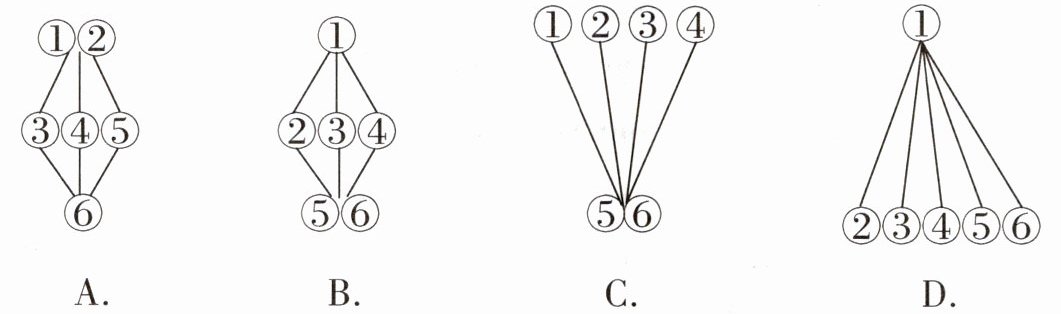
) 8. What's the structure of the passage? (①=paragraph 1, ②=paragraph 2...)答案:5. C 6. D 7. D 8. B
解析:
【分析】
本题为英语阅读理解题,需结合原文内容逐一分析各题目:
1. 第5题:定位原文第2-4段,明确海豚交流的三种主要方式,匹配对应选项。
2. 第6题:定位原文第2段末尾,查找clicking sounds的作用,对应选项。
3. 第7题:定位最后两段,梳理段落核心内容(问题+呼吁),匹配选项。
4. 第8题:梳理全文段落逻辑,判断文章结构,对应选项。
【解析】
5. 原文第2段讲海豚用clicking sounds交流,第3段讲whistling sounds,第4段讲body movements,三种方式对应选项C,故选C。
6. 原文第2段最后一句明确说明clicking sounds帮助海豚find food and keep away from danger,对应选项D,故选D。
7. 最后两段讲述人类活动导致海洋噪音污染的问题,并呼吁保护海洋和海豚,对应选项D,故选D。
8. 文章结构:第1段总起海豚交流话题,第2-4段分述三种交流方式,第5-6段讲问题并呼吁保护,为总-分-总结构,对应选项B,故选B。
【答案】
5.C 6.D 7.D 8.B
【知识点】
阅读理解细节理解、阅读理解主旨大意、文章结构分析
【点评】
本题围绕海豚交流方式展开,考查学生对原文细节的查找、段落主旨的理解及文章结构的分析能力,属于基础阅读理解题型,需准确定位原文信息。
【难度系数】
0.5
本题为英语阅读理解题,需结合原文内容逐一分析各题目:
1. 第5题:定位原文第2-4段,明确海豚交流的三种主要方式,匹配对应选项。
2. 第6题:定位原文第2段末尾,查找clicking sounds的作用,对应选项。
3. 第7题:定位最后两段,梳理段落核心内容(问题+呼吁),匹配选项。
4. 第8题:梳理全文段落逻辑,判断文章结构,对应选项。
【解析】
5. 原文第2段讲海豚用clicking sounds交流,第3段讲whistling sounds,第4段讲body movements,三种方式对应选项C,故选C。
6. 原文第2段最后一句明确说明clicking sounds帮助海豚find food and keep away from danger,对应选项D,故选D。
7. 最后两段讲述人类活动导致海洋噪音污染的问题,并呼吁保护海洋和海豚,对应选项D,故选D。
8. 文章结构:第1段总起海豚交流话题,第2-4段分述三种交流方式,第5-6段讲问题并呼吁保护,为总-分-总结构,对应选项B,故选B。
【答案】
5.C 6.D 7.D 8.B
【知识点】
阅读理解细节理解、阅读理解主旨大意、文章结构分析
【点评】
本题围绕海豚交流方式展开,考查学生对原文细节的查找、段落主旨的理解及文章结构的分析能力,属于基础阅读理解题型,需准确定位原文信息。
【难度系数】
0.5