B
Do you ever feel like you are just rushing from one subject to another? When things happen so fast, maybe you can’t understand clearly what you are doing or learning, so it is important to stop yourself to think about what you have been doing or learning.
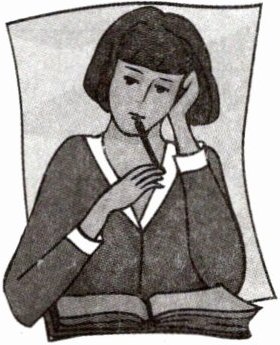
Self-reflection means slowing down and calming yourself, including calming your mind. By calming down and going slowly, you give your brain a chance to think about what it has already received. Some people prefer to do self-reflection in their mind. Others keep a diary. What’s more, taking notes is also OK. Each method works, depending on your own personal learning. You can follow the steps to do self-reflection.
First, choose the proper time to do it. School textbooks are divided into units of study. This makes it easier to begin self-reflection. Look for time when you complete a unit of study. Sometimes you know the unit is over because there is some kind of test. Use these natural breaks to stop and do self-reflection.
Then, find a quiet place to keep reflection diaries. Write down some notes on the new things that you learnt in the unit. Let your mind think about the notes you have written and make some connections.
Finally, think about things that you are not sure of. Maybe you learnt a new way to work out a Maths problem, but you’re not sure when to use it. Writing down your questions will help you remember to look for answers the next time you are working with the same topic.
Successful students always know self-reflection is important. If you have never taken the time to do self-reflection, try it now.
词汇
self-reflection /ˌself rɪˈflekʃn/ n. 自我反省 make some connections 建立一些联系
work out 计算出
理解
1. What are the steps you can follow when you do self-reflection?
2. Share your way of doing self-reflection.
Do you ever feel like you are just rushing from one subject to another? When things happen so fast, maybe you can’t understand clearly what you are doing or learning, so it is important to stop yourself to think about what you have been doing or learning.
Self-reflection means slowing down and calming yourself, including calming your mind. By calming down and going slowly, you give your brain a chance to think about what it has already received. Some people prefer to do self-reflection in their mind. Others keep a diary. What’s more, taking notes is also OK. Each method works, depending on your own personal learning. You can follow the steps to do self-reflection.
First, choose the proper time to do it. School textbooks are divided into units of study. This makes it easier to begin self-reflection. Look for time when you complete a unit of study. Sometimes you know the unit is over because there is some kind of test. Use these natural breaks to stop and do self-reflection.
Then, find a quiet place to keep reflection diaries. Write down some notes on the new things that you learnt in the unit. Let your mind think about the notes you have written and make some connections.
Finally, think about things that you are not sure of. Maybe you learnt a new way to work out a Maths problem, but you’re not sure when to use it. Writing down your questions will help you remember to look for answers the next time you are working with the same topic.
Successful students always know self-reflection is important. If you have never taken the time to do self-reflection, try it now.
词汇
self-reflection /ˌself rɪˈflekʃn/ n. 自我反省 make some connections 建立一些联系
work out 计算出
理解
1. What are the steps you can follow when you do self-reflection?
First, choose the proper time to do it. Then, find a quiet place to keep reflection diaries. Finally, think about things that you are not sure of.
2. Share your way of doing self-reflection.
On weekends, I like to reflect what I have learnt in a week and go over the mistakes I have made and try to do some extra exercises to consolidate them.
答案:1. First, choose the proper time to do it. Then, find a quiet place to keep reflection diaries. Finally, think about things that you are not sure of.
2. On weekends, I like to reflect what I have learnt in a week and go over the mistakes I have made and try to do some extra exercises to consolidate them.
2. On weekends, I like to reflect what I have learnt in a week and go over the mistakes I have made and try to do some extra exercises to consolidate them.
解析:
【分析】
第1题是细节查找题,需在文章中定位到做自我反省的步骤,根据文中First、Then、Finally的提示提取对应内容;第2题是开放性试题,结合自身实际学习情况,合理分享自我反省的方式即可。
【解析】
1. 阅读文章,找到关于自我反省步骤的段落,提取First、Then、Finally引导的内容,整理后得到答案。
2. 结合自身学习经历,写出符合实际的自我反省方式,确保表达合理通顺。
【答案】
1. First, choose the proper time to do it. Then, find a quiet place to keep reflection diaries. Finally, think about things that you are not sure of.
2. On weekends, I like to reflect what I have learnt in a week and go over the mistakes I have made and try to do some extra exercises to consolidate them.
【知识点】
阅读理解、细节查找、开放性表达
【点评】
本题考查学生对文章细节的提取能力和语言表达能力,第一题侧重信息定位,第二题侧重个人观点输出,难度适中。
【难度系数】
0.7
第1题是细节查找题,需在文章中定位到做自我反省的步骤,根据文中First、Then、Finally的提示提取对应内容;第2题是开放性试题,结合自身实际学习情况,合理分享自我反省的方式即可。
【解析】
1. 阅读文章,找到关于自我反省步骤的段落,提取First、Then、Finally引导的内容,整理后得到答案。
2. 结合自身学习经历,写出符合实际的自我反省方式,确保表达合理通顺。
【答案】
1. First, choose the proper time to do it. Then, find a quiet place to keep reflection diaries. Finally, think about things that you are not sure of.
2. On weekends, I like to reflect what I have learnt in a week and go over the mistakes I have made and try to do some extra exercises to consolidate them.
【知识点】
阅读理解、细节查找、开放性表达
【点评】
本题考查学生对文章细节的提取能力和语言表达能力,第一题侧重信息定位,第二题侧重个人观点输出,难度适中。
【难度系数】
0.7