C(2026·南通市通州区期末)
Over the years, people have used different forms(形式) of money as a way to trade or save.
Seashells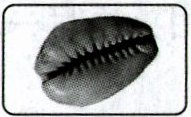
Generally, people think the first form of money was seashells. About 3,000 years ago, people in some East Asian countries like China and some countries in Africa used shells. People thought shells were a good choice because they were easy to carry, similar in size and lasted a long time.
Coins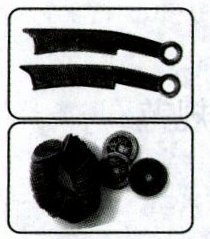
Then, people developed skills for making metal(金属) things, and metal coins appeared(出现). Metal coins were made of bronze, iron, gold or silver. The earliest metal coins were gold coins from Lydia, which were used around 600 BCE. Coins had different shapes. For example, in ancient China, people had daobi(knife coins), fangkongqian(round coins with a square hole in the centre), etc.
Paper money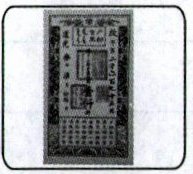
The first known paper money appeared in China during the Song Dynasty, which is called jiaozi. The paper was a promise to pay a certain amount of money. Six centuries later(in the
10-7
1600s), banks in Europe started to give out paper money. Paper money became common in almost all currencies(货币), and people still use it widely.
Digital(数字的) money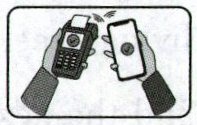
These days, people are used to paying for things electronically. Now many countries are developing digital currencies. Money is used in a new form.
(
A. Lydia. B. China. C. Africa. D. Europe.
(
A. Because they were expensive.
B. Because they were hard to find.
C. Because they had different sizes.
D. Because they were easy to carry in size and lasted long.
(
A. 颜色 B. 气味 C. 形状 D. 质地
(
A. The use of seashells B. Money in different forms
C. Paper money in China D. The future of digital money
Over the years, people have used different forms(形式) of money as a way to trade or save.
Seashells
Generally, people think the first form of money was seashells. About 3,000 years ago, people in some East Asian countries like China and some countries in Africa used shells. People thought shells were a good choice because they were easy to carry, similar in size and lasted a long time.
Coins
Then, people developed skills for making metal(金属) things, and metal coins appeared(出现). Metal coins were made of bronze, iron, gold or silver. The earliest metal coins were gold coins from Lydia, which were used around 600 BCE. Coins had different shapes. For example, in ancient China, people had daobi(knife coins), fangkongqian(round coins with a square hole in the centre), etc.
Paper money
The first known paper money appeared in China during the Song Dynasty, which is called jiaozi. The paper was a promise to pay a certain amount of money. Six centuries later(in the
10-7
1600s), banks in Europe started to give out paper money. Paper money became common in almost all currencies(货币), and people still use it widely.
Digital(数字的) money
These days, people are used to paying for things electronically. Now many countries are developing digital currencies. Money is used in a new form.
(
A
)9. Which place used the earliest metal coins?A. Lydia. B. China. C. Africa. D. Europe.
(
D
)10. Why were seashells a good choice as money?A. Because they were expensive.
B. Because they were hard to find.
C. Because they had different sizes.
D. Because they were easy to carry in size and lasted long.
(
C
)11. What does the underlined word “shapes” mean?A. 颜色 B. 气味 C. 形状 D. 质地
(
B
)12. Which is the best title for the passage?A. The use of seashells B. Money in different forms
C. Paper money in China D. The future of digital money
答案:9. A 【解析】根据第三段中“The earliest metal coins were gold coins from Lydia”可知,最早的金属硬币出现在吕底亚。
10. D 【解析】根据第二段中“People thought shells were a good choice because they were easy to carry, similar in size and lasted a long time.”可知,人们认为用贝壳作为钱是一个好的选择是因为贝壳容易携带并且留存的时间较长。
11. C 【解析】根据画线词所在句的后一句“For example, in ancient China, people had daobi(knife coins), fangkongqian(round coins with a square hole in the centre), etc.”可知,这里举例说明钱币的不同形状,由此可推知画线词所在句意为“钱币有不同的形状”,因此shape意为“形状”。
12. B 【解析】根据文章内容可知,本文主要向我们介绍了贝壳、金属货币、纸币和电子货币四种不同形式的钱,因此B项最适用作文章标题。
10. D 【解析】根据第二段中“People thought shells were a good choice because they were easy to carry, similar in size and lasted a long time.”可知,人们认为用贝壳作为钱是一个好的选择是因为贝壳容易携带并且留存的时间较长。
11. C 【解析】根据画线词所在句的后一句“For example, in ancient China, people had daobi(knife coins), fangkongqian(round coins with a square hole in the centre), etc.”可知,这里举例说明钱币的不同形状,由此可推知画线词所在句意为“钱币有不同的形状”,因此shape意为“形状”。
12. B 【解析】根据文章内容可知,本文主要向我们介绍了贝壳、金属货币、纸币和电子货币四种不同形式的钱,因此B项最适用作文章标题。
解析:
【分析】
这是一篇介绍货币不同形式的阅读理解题,共4道小题,分别考查细节理解、词义猜测和主旨大意。解题思路为:1. 第9题需定位原文中关于最早金属硬币的出处,匹配选项;2. 第10题需找到原文中贝壳作为货币的优势描述,对应选项;3. 第11题需结合画线词后的举例内容,推断词义;4. 第12题需通读全文,归纳核心内容,选择最贴合的标题。
【解析】
9. 根据第三段中“The earliest metal coins were gold coins from Lydia”可知,最早的金属硬币出现在吕底亚,故选A。
10. 根据第二段中“People thought shells were a good choice because they were easy to carry, similar in size and lasted a long time.”可知,贝壳作为货币的优势是易携带、尺寸相似且留存时间长,对应选项D,故选D。
11. 画线词“shapes”后举例提到刀币、带方孔的圆币等,这些都是不同的形状,由此可推断“shapes”意为“形状”,故选C。
12. 全文主要介绍了贝壳、金属硬币、纸币、数字货币四种不同形式的货币,B项“Money in different forms”最贴合主旨,故选B。
【答案】
9.A 10.D 11.C 12.B
【知识点】
阅读理解、细节理解、词义猜测、主旨大意
【点评】
本文围绕不同形式的货币展开,考查学生快速定位原文信息、猜测词义及归纳主旨的能力,题目难度适中,属于基础阅读理解题型,学生通过仔细阅读原文即可完成解答。
【难度系数】
0.7
这是一篇介绍货币不同形式的阅读理解题,共4道小题,分别考查细节理解、词义猜测和主旨大意。解题思路为:1. 第9题需定位原文中关于最早金属硬币的出处,匹配选项;2. 第10题需找到原文中贝壳作为货币的优势描述,对应选项;3. 第11题需结合画线词后的举例内容,推断词义;4. 第12题需通读全文,归纳核心内容,选择最贴合的标题。
【解析】
9. 根据第三段中“The earliest metal coins were gold coins from Lydia”可知,最早的金属硬币出现在吕底亚,故选A。
10. 根据第二段中“People thought shells were a good choice because they were easy to carry, similar in size and lasted a long time.”可知,贝壳作为货币的优势是易携带、尺寸相似且留存时间长,对应选项D,故选D。
11. 画线词“shapes”后举例提到刀币、带方孔的圆币等,这些都是不同的形状,由此可推断“shapes”意为“形状”,故选C。
12. 全文主要介绍了贝壳、金属硬币、纸币、数字货币四种不同形式的货币,B项“Money in different forms”最贴合主旨,故选B。
【答案】
9.A 10.D 11.C 12.B
【知识点】
阅读理解、细节理解、词义猜测、主旨大意
【点评】
本文围绕不同形式的货币展开,考查学生快速定位原文信息、猜测词义及归纳主旨的能力,题目难度适中,属于基础阅读理解题型,学生通过仔细阅读原文即可完成解答。
【难度系数】
0.7