阅读下面的短文,从短文后各题所给的A、B、C、D四个选项中,选出最佳选项。
One winter morning, Tapiwa Chiwewe was driving to work in Johannesburg, South Africa. He noticed a haze(薄雾) hanging over the city and it didn’t take long for him to realize that it was the pollution we suffered.
At that moment, Chiwewe felt it necessary to do something about it, but he didn’t know what. He was a computer engineer and knew little about environmental science.
He first did research on air pollution and found that it is the world’s biggest environmental health risk. He decided to work on it in a cooperative(合作的) way with
scientists, officials, and engineers who helped him develop a deeper understanding of the situation, as well as an idea to improve it.
Through years of work, Chiwewe and his co-workers from South Africa and China created an online air-quality decision support system. Based on historical and real-time data, the system can correctly predict air pollution and air quality, which can help people make better decisions about their daily movements, as well as help officials better manage their operations.
Chiwewe learnt an important lesson—“a lesson we all need to take to heart if we are to work towards a better future. Even if you’re not an expert in a particular field, your outside expertise may hold the key to solving problems within that field,” he said.
What if Chiwewe hadn’t worried about researching the problem and done something about it? What if he had just hoped that someone, somewhere, was taking care of the matter? As Chiwewe said, “Why not just go ahead and deal with the problem as well as you can in your own way? You may be pleasantly surprised.”
() 1. What does the underlined word “it” in paragraph 2 refer to?
A. The environmental science.
B. The air pollution in the city.
C. The haze hanging over the city.
D. The research on air pollution.
() 2. What is the main idea of the last paragraph?
A. There is always something new to learn.
B. We should always wait for others to help us.
C. Taking action yourself is better than waiting.
D. Doing research first helps experts solve problems.
() 3. How is the passage organized? (①=paragraph 1, ②=paragraph 2...)
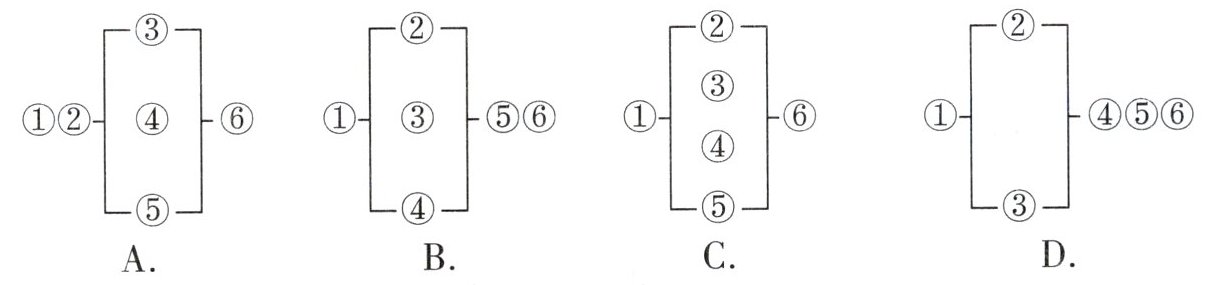
() 4. What’s the passage mainly about?
A. Chiwewe’s special job journey.
B. Using your skills to solve problems.
C. The process of creating a system.
D. Taking action now.
One winter morning, Tapiwa Chiwewe was driving to work in Johannesburg, South Africa. He noticed a haze(薄雾) hanging over the city and it didn’t take long for him to realize that it was the pollution we suffered.
At that moment, Chiwewe felt it necessary to do something about it, but he didn’t know what. He was a computer engineer and knew little about environmental science.
He first did research on air pollution and found that it is the world’s biggest environmental health risk. He decided to work on it in a cooperative(合作的) way with
scientists, officials, and engineers who helped him develop a deeper understanding of the situation, as well as an idea to improve it.
Through years of work, Chiwewe and his co-workers from South Africa and China created an online air-quality decision support system. Based on historical and real-time data, the system can correctly predict air pollution and air quality, which can help people make better decisions about their daily movements, as well as help officials better manage their operations.
Chiwewe learnt an important lesson—“a lesson we all need to take to heart if we are to work towards a better future. Even if you’re not an expert in a particular field, your outside expertise may hold the key to solving problems within that field,” he said.
What if Chiwewe hadn’t worried about researching the problem and done something about it? What if he had just hoped that someone, somewhere, was taking care of the matter? As Chiwewe said, “Why not just go ahead and deal with the problem as well as you can in your own way? You may be pleasantly surprised.”
() 1. What does the underlined word “it” in paragraph 2 refer to?
A. The environmental science.
B. The air pollution in the city.
C. The haze hanging over the city.
D. The research on air pollution.
() 2. What is the main idea of the last paragraph?
A. There is always something new to learn.
B. We should always wait for others to help us.
C. Taking action yourself is better than waiting.
D. Doing research first helps experts solve problems.
() 3. How is the passage organized? (①=paragraph 1, ②=paragraph 2...)
() 4. What’s the passage mainly about?
A. Chiwewe’s special job journey.
B. Using your skills to solve problems.
C. The process of creating a system.
D. Taking action now.
答案:1.B 2.C 3.C 4.B
解析:
1. 词义指代题:定位到第一段内容,Chiwewe发现约翰内斯堡上空的薄雾本质是城市正遭受的空气污染,第二段中他认为有必要针对该问题采取行动,结合后文他着手研究空气污染的行为,可知划线词it指代城市中的空气污染。
2. 段落大意题:最后一段通过两个反问,点明不要寄希望于他人来处理问题,要主动以自己的方式去解决问题,核心含义是主动采取行动比等待他人处理更好。
3. 文章结构题:本文第一段为背景引入,交代主人公发现城市空气污染的起因;第二到第五段完整叙述事件发展脉络:主人公萌生解决问题的想法、开展调研多方合作、研发出空气质量决策支持系统、从事件中获得个人感悟;第六段总结升华,点明文章主旨,对应选项C的结构。
4. 主旨大意题:全文通过讲述计算机工程师Chiwewe发现空气污染问题后,没有等待他人处理,而是利用自身的专业技能跨界研发出空气预警系统的故事,点明即便不是特定领域的专家,自身的外部专业技能也可以用来解决该领域的问题,核心是讲述利用自身技能解决问题。