五、(2025·扬州市学校期中)阅读理解。
Everyone loves receiving gifts, and across cultures, presents are a way to show care and love. However, traditions are not the same in every country.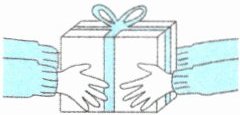
As a European living in China, I’ve seen some interesting differences. For example, while fruit and milk are common gifts here, in my culture, they might be a better choice when you are visiting someone in hospital.
When you get invited to a dinner party, a bottle of fine wine is also a good gift. Still, it’s best to check if your hosts drink alcohol(酒).
Many Europeans will typically open their presents right away, except in places like Germany. It’s also important to take off the price tag(标签).
What if you don’t like your gift? In Spain, you still need to say you love the gift to avoid hurting the other person’s feelings. But if they remember to leave the receipt(收据)inside the gift, which is a very common practice in Spain, you can just exchange it for something else.
Re - gifting(礼物转送)is another good idea, as long as the present looks new. Jennifer Molski from Chicago has turned re - gifting into a nice project, collecting gifts people didn’t want for those in need, CBS News reported.
How the present looks is also important. However, by using wrapping paper(包装纸)for every present we buy, we produce a lot of waste. Germans value high - quality wrapping paper, but many are now choosing newspaper or maps to help protect the environment.
Do Europeans give money as gifts? Yes. Polish couples, for example, often request cash(现金)at weddings to cover the cost of the venue(场地)and meals.
Finally, remember: It’s the thought that counts, not the size or the cost of the gift.
1. What might be a good gift to take to someone in hospital in the author’s culture?
A. Books.
B. Fruit.
C. Some cash.
D. A bottle of fine wine.
2. Why do some Spanish people leave the receipt inside presents?
A. To show the price of the gift.
B. To make it easier to re - gift the item.
C. To show respect for the receiver.
D. To allow the receiver to exchange the gift.
3. How can people deal with the gift they don’t like according to Paragraph 6?
A. They can sell it.
B. They can return it to the giver.
C. They can give it to someone else.
D. They can take it back to the store.
4. What is the passage mainly about?
A. The gift - giving culture in different countries.
B. Recent changes in gift - giving in Europe.
C. Why we should re - gift unwanted presents.
D. How people in Spain give and receive gifts.
Everyone loves receiving gifts, and across cultures, presents are a way to show care and love. However, traditions are not the same in every country.
As a European living in China, I’ve seen some interesting differences. For example, while fruit and milk are common gifts here, in my culture, they might be a better choice when you are visiting someone in hospital.
When you get invited to a dinner party, a bottle of fine wine is also a good gift. Still, it’s best to check if your hosts drink alcohol(酒).
Many Europeans will typically open their presents right away, except in places like Germany. It’s also important to take off the price tag(标签).
What if you don’t like your gift? In Spain, you still need to say you love the gift to avoid hurting the other person’s feelings. But if they remember to leave the receipt(收据)inside the gift, which is a very common practice in Spain, you can just exchange it for something else.
Re - gifting(礼物转送)is another good idea, as long as the present looks new. Jennifer Molski from Chicago has turned re - gifting into a nice project, collecting gifts people didn’t want for those in need, CBS News reported.
How the present looks is also important. However, by using wrapping paper(包装纸)for every present we buy, we produce a lot of waste. Germans value high - quality wrapping paper, but many are now choosing newspaper or maps to help protect the environment.
Do Europeans give money as gifts? Yes. Polish couples, for example, often request cash(现金)at weddings to cover the cost of the venue(场地)and meals.
Finally, remember: It’s the thought that counts, not the size or the cost of the gift.
1. What might be a good gift to take to someone in hospital in the author’s culture?
A. Books.
B. Fruit.
C. Some cash.
D. A bottle of fine wine.
2. Why do some Spanish people leave the receipt inside presents?
A. To show the price of the gift.
B. To make it easier to re - gift the item.
C. To show respect for the receiver.
D. To allow the receiver to exchange the gift.
3. How can people deal with the gift they don’t like according to Paragraph 6?
A. They can sell it.
B. They can return it to the giver.
C. They can give it to someone else.
D. They can take it back to the store.
4. What is the passage mainly about?
A. The gift - giving culture in different countries.
B. Recent changes in gift - giving in Europe.
C. Why we should re - gift unwanted presents.
D. How people in Spain give and receive gifts.
答案:五 1. B
2. D 【解析】根据第五段中“But if they remember to leave the receipt inside the gift, which is a very common practice in Spain, you can just exchange it for something else.”可知,保留收据是为了方便接受者去商店换别的东西。
3. C 【解析】根据第六段中“Re-gifting is another good idea”可知,另一个处理不喜欢的礼物的方法是将其转送给他人。
4. A 【解析】通读全文可知,本文主要介绍了世界上不同国家的送礼文化。
2. D 【解析】根据第五段中“But if they remember to leave the receipt inside the gift, which is a very common practice in Spain, you can just exchange it for something else.”可知,保留收据是为了方便接受者去商店换别的东西。
3. C 【解析】根据第六段中“Re-gifting is another good idea”可知,另一个处理不喜欢的礼物的方法是将其转送给他人。
4. A 【解析】通读全文可知,本文主要介绍了世界上不同国家的送礼文化。
解析:
【分析】
这是一篇介绍不同地区送礼文化的阅读理解题,解题时首先可以先通读全文,明确文章核心主题是不同国家的送礼习俗差异,之后针对每一道小题,提取题干中的关键词返回原文精准定位对应语句,将选项和原文信息逐一比对排除错误选项即可得到答案:第1题提取关键词"in hospital"回第二段找对应描述,第2题提取关键词"Spanish、receipt"回第五段定位,第3题结合题干指定的第6段内容找处理不喜欢的礼物的方法,第4题主旨题需要结合全文开篇总起句和各段落内容判断核心主题。
【解析】
1. 定位原文第二段"For example, while fruit and milk are common gifts here, in my culture, they might be a better choice when you are visiting someone in hospital.",可知在作者的文化中,探望住院的人送水果是合适的选择,对应选项B。
2. 定位原文第五段"But if they remember to leave the receipt(收据)inside the gift, which is a very common practice in Spain, you can just exchange it for something else.",可知西班牙人把收据放在礼物里,是为了让收礼人可以将礼物更换为其他物品,对应选项D。
3. 定位原文第六段"Re - gifting(礼物转送)is another good idea, as long as the present looks new.",可知处理自己不喜欢的礼物的合理方式之一是将其转送给其他人,对应选项C。
4. 文章开篇就点明不同国家的送礼传统并不相同,后续分别介绍了中国、欧洲多国、西班牙、波兰等不同地区的送礼相关习俗,全文围绕不同国家的送礼文化展开,对应选项A。
【答案】
1. B 2. D 3. C 4. A
【知识点】
阅读理解细节定位,阅读理解主旨大意,跨文化交际常识
【点评】
本题难度适中,以细节理解类题型为主,仅最后一题为主旨大意题,既考察学生快速定位原文信息的阅读能力,也能帮助学生了解不同国家的送礼文化差异,需要注意做主旨题时不要被西班牙、德国等局部地区的习俗内容误导,要结合全文总起内容判断核心主题。
【难度系数】
0.7
这是一篇介绍不同地区送礼文化的阅读理解题,解题时首先可以先通读全文,明确文章核心主题是不同国家的送礼习俗差异,之后针对每一道小题,提取题干中的关键词返回原文精准定位对应语句,将选项和原文信息逐一比对排除错误选项即可得到答案:第1题提取关键词"in hospital"回第二段找对应描述,第2题提取关键词"Spanish、receipt"回第五段定位,第3题结合题干指定的第6段内容找处理不喜欢的礼物的方法,第4题主旨题需要结合全文开篇总起句和各段落内容判断核心主题。
【解析】
1. 定位原文第二段"For example, while fruit and milk are common gifts here, in my culture, they might be a better choice when you are visiting someone in hospital.",可知在作者的文化中,探望住院的人送水果是合适的选择,对应选项B。
2. 定位原文第五段"But if they remember to leave the receipt(收据)inside the gift, which is a very common practice in Spain, you can just exchange it for something else.",可知西班牙人把收据放在礼物里,是为了让收礼人可以将礼物更换为其他物品,对应选项D。
3. 定位原文第六段"Re - gifting(礼物转送)is another good idea, as long as the present looks new.",可知处理自己不喜欢的礼物的合理方式之一是将其转送给其他人,对应选项C。
4. 文章开篇就点明不同国家的送礼传统并不相同,后续分别介绍了中国、欧洲多国、西班牙、波兰等不同地区的送礼相关习俗,全文围绕不同国家的送礼文化展开,对应选项A。
【答案】
1. B 2. D 3. C 4. A
【知识点】
阅读理解细节定位,阅读理解主旨大意,跨文化交际常识
【点评】
本题难度适中,以细节理解类题型为主,仅最后一题为主旨大意题,既考察学生快速定位原文信息的阅读能力,也能帮助学生了解不同国家的送礼文化差异,需要注意做主旨题时不要被西班牙、德国等局部地区的习俗内容误导,要结合全文总起内容判断核心主题。
【难度系数】
0.7