五、(2024·四川凉山)信息还原。
新素材 传统文化 Different countries have different manners about social situations. In Mexico, people shake hands when they meet for the first time. In Brazil, people sometimes kiss. In Korea, people usually bow. Do you know Chinese fist and palm salute(拱手礼)? It is one of classic greeting manners in China. 1.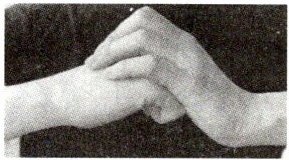
The occasions of making fist and palm salute
For centuries, China has been known as a "Liyi Zhibang". Nowadays, Chinese usually shake hands when meeting others, but sometimes they also make fist and palm salute. 2? People make fist and palm salute when they visit someone during the Spring Festival or attend someone's wedding ceremony, birthday party and so on.
The history of fist and palm salute
3. It started in West Zhou dynasty. If people met strangers, they would prepare for a fight if necessary, and hands were always ready for holding weapons (武器). Holding hands together pointed to themselves was a meaning of expressing kindness. Later it became one of traditional Chinese manners when meeting each other.
4
How do you make fist and palm salute properly? First, stand at attention. Then, if you are a man, right-hand half-fist, and then left-hand hold the right-hand in front of your chest. For a woman, left-hand half-fist, then right-hand put the left-hand on the top. Next, watch each other, raise both hands to brow(额头) and bend down. 5. Also, you could say some lucky greeting words to each other for three times.
A. Now let's learn more about it
B. The way to make fist and palm salute
C. When and where do people use it
D. It is often widely used among Western countries
E. Finally, shake hands towards each other for three times
F. Fist and palm salute has a history of more than 3,000 years
1. 2. 3.
4. 5.
新素材 传统文化 Different countries have different manners about social situations. In Mexico, people shake hands when they meet for the first time. In Brazil, people sometimes kiss. In Korea, people usually bow. Do you know Chinese fist and palm salute(拱手礼)? It is one of classic greeting manners in China. 1.
The occasions of making fist and palm salute
For centuries, China has been known as a "Liyi Zhibang". Nowadays, Chinese usually shake hands when meeting others, but sometimes they also make fist and palm salute. 2? People make fist and palm salute when they visit someone during the Spring Festival or attend someone's wedding ceremony, birthday party and so on.
The history of fist and palm salute
3. It started in West Zhou dynasty. If people met strangers, they would prepare for a fight if necessary, and hands were always ready for holding weapons (武器). Holding hands together pointed to themselves was a meaning of expressing kindness. Later it became one of traditional Chinese manners when meeting each other.
4
How do you make fist and palm salute properly? First, stand at attention. Then, if you are a man, right-hand half-fist, and then left-hand hold the right-hand in front of your chest. For a woman, left-hand half-fist, then right-hand put the left-hand on the top. Next, watch each other, raise both hands to brow(额头) and bend down. 5. Also, you could say some lucky greeting words to each other for three times.
A. Now let's learn more about it
B. The way to make fist and palm salute
C. When and where do people use it
D. It is often widely used among Western countries
E. Finally, shake hands towards each other for three times
F. Fist and palm salute has a history of more than 3,000 years
1. 2. 3.
4. 5.
答案:五 1—5 ACFBE
解析:
【分析】
这是一篇介绍中国传统拱手礼的英语信息还原题,解题思路如下:
1. 先通读全文,明确文章核心主题是介绍中国传统拱手礼,分别从行礼场合、发展历史、行礼方法三个维度展开说明。
2. 逐空分析上下文的逻辑关联:
第1空:前文刚引出拱手礼这个中国传统问候礼仪,后文立刻开始分模块介绍拱手礼的相关内容,这里需要一个承上启下的过渡句,衔接前文的引入和后文的详细介绍。
第2空:空后内容直接回答了人们在春节访友、参加婚礼、生日宴等场景行拱手礼,说明空格处是对使用场景、时间的提问。
第3空:空后内容介绍拱手礼起源于西周,讲述它的发展由来,空格处是该历史段落的总起句,点明拱手礼的历史时长。
第4空:该空是下一段的小标题,下一段全部在讲解正确行拱手礼的步骤方法,因此空格处要概括该段的核心内容。
第5空:前文已经出现了First、Then、Next等表示先后顺序的步骤词,空格处对应步骤的最后一环,和后文的补充说明衔接。
3. 逐一匹配选项,排除不符合逻辑的干扰项,验证所有内容通顺合理即可。
【解析】
1. 第1空:前文引出拱手礼是中国经典问候礼仪之一,后文开始分模块介绍拱手礼的相关知识,A选项“现在让我们来更多了解它”起到承上启下的过渡作用,完全符合语境。
2. 第2空:后文回答的是拱手礼的使用时间和场合,C选项“人们在何时何地使用它”正好对应后文的答语,逻辑通顺。
3. 第3空:后文介绍拱手礼起源于西周,距今时间久远,F选项“拱手礼已有3000多年的历史”是该历史段落的总起句,和后文内容完全对应。
4. 第4空:该空是段落小标题,后文全部讲解行拱手礼的正确操作步骤,B选项“行拱手礼的方式”精准概括该段核心内容,符合小标题的设置逻辑。
5. 第5空:前文出现了First、Then、Next的步骤顺序词,E选项“最后,互相拱手三次”对应顺序的最后一步,和后文“你也可以互相说三遍吉祥问候语”的内容衔接自然。
干扰项D“它在西方国家广泛使用”和全文介绍中国传统礼仪的内容完全不符,直接排除。
【答案】
1—5 ACFBE
【知识点】
英语信息还原,语篇逻辑衔接,传统文化英语阅读
【点评】
本题结合中国传统拱手礼的文化素材,既考察学生对英语阅读语篇上下文逻辑、行文结构、先后顺序线索的把握能力,也能引导学生了解中国传统礼仪文化,题目线索清晰,过渡自然,难度适中。
【难度系数】
0.7
这是一篇介绍中国传统拱手礼的英语信息还原题,解题思路如下:
1. 先通读全文,明确文章核心主题是介绍中国传统拱手礼,分别从行礼场合、发展历史、行礼方法三个维度展开说明。
2. 逐空分析上下文的逻辑关联:
第1空:前文刚引出拱手礼这个中国传统问候礼仪,后文立刻开始分模块介绍拱手礼的相关内容,这里需要一个承上启下的过渡句,衔接前文的引入和后文的详细介绍。
第2空:空后内容直接回答了人们在春节访友、参加婚礼、生日宴等场景行拱手礼,说明空格处是对使用场景、时间的提问。
第3空:空后内容介绍拱手礼起源于西周,讲述它的发展由来,空格处是该历史段落的总起句,点明拱手礼的历史时长。
第4空:该空是下一段的小标题,下一段全部在讲解正确行拱手礼的步骤方法,因此空格处要概括该段的核心内容。
第5空:前文已经出现了First、Then、Next等表示先后顺序的步骤词,空格处对应步骤的最后一环,和后文的补充说明衔接。
3. 逐一匹配选项,排除不符合逻辑的干扰项,验证所有内容通顺合理即可。
【解析】
1. 第1空:前文引出拱手礼是中国经典问候礼仪之一,后文开始分模块介绍拱手礼的相关知识,A选项“现在让我们来更多了解它”起到承上启下的过渡作用,完全符合语境。
2. 第2空:后文回答的是拱手礼的使用时间和场合,C选项“人们在何时何地使用它”正好对应后文的答语,逻辑通顺。
3. 第3空:后文介绍拱手礼起源于西周,距今时间久远,F选项“拱手礼已有3000多年的历史”是该历史段落的总起句,和后文内容完全对应。
4. 第4空:该空是段落小标题,后文全部讲解行拱手礼的正确操作步骤,B选项“行拱手礼的方式”精准概括该段核心内容,符合小标题的设置逻辑。
5. 第5空:前文出现了First、Then、Next的步骤顺序词,E选项“最后,互相拱手三次”对应顺序的最后一步,和后文“你也可以互相说三遍吉祥问候语”的内容衔接自然。
干扰项D“它在西方国家广泛使用”和全文介绍中国传统礼仪的内容完全不符,直接排除。
【答案】
1—5 ACFBE
【知识点】
英语信息还原,语篇逻辑衔接,传统文化英语阅读
【点评】
本题结合中国传统拱手礼的文化素材,既考察学生对英语阅读语篇上下文逻辑、行文结构、先后顺序线索的把握能力,也能引导学生了解中国传统礼仪文化,题目线索清晰,过渡自然,难度适中。
【难度系数】
0.7