D(2025·扬州)
Have you ever wondered what else you can do on the train besides sleeping or scrolling through your phone? Actually,in China,trains have turned into centres which bring together the public and the nation's Intangible Cultural Heritage(ICH,非物质文化遗产).
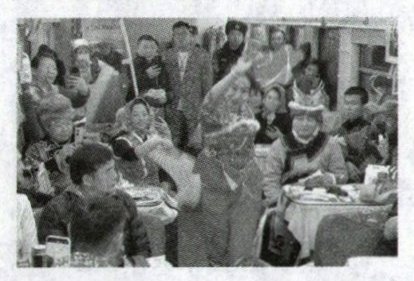
Trains go across China and they are becoming ideal places for introducing local traditional culture. A good example is the K7041 train from Harbin to Mohe in North-east China's Heilongjiang Province. On the ICH train,Gulayier,dressed in traditional clothes,sang Oroqen folk songs and his partner played the Oroqen jaw harp,a musical instrument. Tourists on the train,especially those from southern China,sang and danced excitedly with the two performers(表演者)together. Gulayier said the train made it easier to hold tourists' attention to his shows. He thought the train was a good platform for promoting(促进) ICH.
Traditional heritage comes to life on trains. More ICH such as Qinhuai lanterns from Nanjing,Yulin puppet shows,and tea-picking operas in Guangxi have also made appearances on high-speed trains across China. It offers passengers a close-up way to experience traditional culture.
Professor Xiao Fang from Beijing Normal University shares Gulayier's opinion on the new use of ICH trains. He has pointed out another advantage of this. Beyond cultural promotion,it offers help for tourism. When passengers enjoy local traditions on board,they often develop a deeper interest in exploring the places they pass through.
However,the ICH train journeys still have challenges,including the narrow space on trains and passengers getting on and off at each station. Therefore,some solutions are coming up—cultural corners show traditional arts,and QR codes connect to more digital information. These help passengers to explore ICH at their own pace and continue learning after their journey ends.
The success of ICH trains offers valuable lessons for cultural protection worldwide,proving that innovation(革新) and tradition can work together to keep cultural heritage alive for future generations.
(
A. Travelling farther north.
B. Joining in live shows.
C. Wearing traditional clothes.
D. Having fun on the phone.
(
A. ICH encourages more local visits.
B. Trains help make ICH more popular.
C. ICH improves the Chinese train journeys.
D. Passengers welcome performers on ICH trains.
(
A. Their features and influence.
B. Their reasons and results.
C. Their problems and methods.
D. Their future and improvement.
(
A. Trains push China's cultural heritage further
B. China puts arms around local artists on ICH trains
C. More ICH trains begin running on railways in China
D. Train passengers share different local cultures of China
Have you ever wondered what else you can do on the train besides sleeping or scrolling through your phone? Actually,in China,trains have turned into centres which bring together the public and the nation's Intangible Cultural Heritage(ICH,非物质文化遗产).
Trains go across China and they are becoming ideal places for introducing local traditional culture. A good example is the K7041 train from Harbin to Mohe in North-east China's Heilongjiang Province. On the ICH train,Gulayier,dressed in traditional clothes,sang Oroqen folk songs and his partner played the Oroqen jaw harp,a musical instrument. Tourists on the train,especially those from southern China,sang and danced excitedly with the two performers(表演者)together. Gulayier said the train made it easier to hold tourists' attention to his shows. He thought the train was a good platform for promoting(促进) ICH.
Traditional heritage comes to life on trains. More ICH such as Qinhuai lanterns from Nanjing,Yulin puppet shows,and tea-picking operas in Guangxi have also made appearances on high-speed trains across China. It offers passengers a close-up way to experience traditional culture.
Professor Xiao Fang from Beijing Normal University shares Gulayier's opinion on the new use of ICH trains. He has pointed out another advantage of this. Beyond cultural promotion,it offers help for tourism. When passengers enjoy local traditions on board,they often develop a deeper interest in exploring the places they pass through.
However,the ICH train journeys still have challenges,including the narrow space on trains and passengers getting on and off at each station. Therefore,some solutions are coming up—cultural corners show traditional arts,and QR codes connect to more digital information. These help passengers to explore ICH at their own pace and continue learning after their journey ends.
The success of ICH trains offers valuable lessons for cultural protection worldwide,proving that innovation(革新) and tradition can work together to keep cultural heritage alive for future generations.
(
B
)12. What is the fresh experience for passengers on the K7041 train?A. Travelling farther north.
B. Joining in live shows.
C. Wearing traditional clothes.
D. Having fun on the phone.
(
B
)13. What do Gulayier and Professor Xiao both agree?A. ICH encourages more local visits.
B. Trains help make ICH more popular.
C. ICH improves the Chinese train journeys.
D. Passengers welcome performers on ICH trains.
(
C
)14. What does Paragraph 5 mention about the ICH train journeys?A. Their features and influence.
B. Their reasons and results.
C. Their problems and methods.
D. Their future and improvement.
(
A
)15. What can be the best title for the passage?A. Trains push China's cultural heritage further
B. China puts arms around local artists on ICH trains
C. More ICH trains begin running on railways in China
D. Train passengers share different local cultures of China
答案:12. B 13. B
14. C 【解析】根据第五段中“However, the ICH train journeys still have challenges”和“Therefore, some solutions are coming up”可知,本段先提出“非遗”列车旅行所面临的挑战,再提出其解决方法。
15. A
14. C 【解析】根据第五段中“However, the ICH train journeys still have challenges”和“Therefore, some solutions are coming up”可知,本段先提出“非遗”列车旅行所面临的挑战,再提出其解决方法。
15. A
解析:
翻译:
D(2025·扬州)
你有没有想过,在火车上除了睡觉或刷手机,还能做些什么?实际上,在中国,火车已经变成了汇聚大众和国家非物质文化遗产(ICH)的中心。
火车穿梭于中国各地,正成为介绍当地传统文化的理想场所。一个很好的例子是从哈尔滨开往中国东北黑龙江省漠河的K7041次列车。在这趟非物质文化遗产列车上,古勒耶尔身着传统服饰,演唱鄂伦春族民歌,他的搭档则演奏鄂伦春族口弦琴——一种乐器。火车上的游客,尤其是来自中国南方的游客,兴奋地与两位表演者一起唱歌跳舞。古勒耶尔说,火车让游客更容易关注他的表演。他认为火车是推广非物质文化遗产的良好平台。
传统遗产在火车上焕发生机。更多的非物质文化遗产,如南京的秦淮花灯、榆林木偶戏和广西的采茶戏,也在中国各地的高铁上亮相。这为乘客提供了一种近距离体验传统文化的方式。
北京师范大学的萧放教授和古勒耶尔对非物质文化遗产列车的新用途持有相同看法。他还指出了这种方式的另一个优势。除了文化推广,它还为旅游业提供了帮助。当乘客在列车上欣赏当地传统时,他们往往会对途经的地方产生更浓厚的探索兴趣。
然而,非物质文化遗产列车之旅仍面临挑战,包括火车上的空间狭窄以及乘客在每个车站上下车的情况。因此,一些解决方案应运而生——文化角展示传统艺术,二维码连接更多数字信息。这些帮助乘客按照自己的节奏探索非物质文化遗产,并在旅程结束后继续学习。
非物质文化遗产列车的成功为全球文化保护提供了宝贵的经验,证明了创新和传统可以共同作用,让文化遗产为子孙后代延续下去。
12. K7041次列车上的乘客有什么新鲜体验?
A. 旅行到更北的地方。
B. 参与现场表演。
C. 穿着传统服饰。
D. 玩手机取乐。
13. 古勒耶尔和萧教授都认同什么?
A. 非物质文化遗产鼓励更多的本地游览。
B. 火车有助于让非物质文化遗产更受欢迎。
C. 非物质文化遗产改善了中国的火车旅行。
D. 乘客欢迎非物质文化遗产列车上的表演者。
14. 第5段提到了非物质文化遗产列车之旅的什么内容?
A. 它们的特点和影响。
B. 它们的原因和结果。
C. 它们的问题和方法。
D. 它们的未来和改进。
15. 这篇文章的最佳标题是什么?
A. 火车推动中国文化遗产更进一步
B. 中国在非物质文化遗产列车上支持本土艺术家
C. 更多非物质文化遗产列车开始在中国铁路上运行
D. 火车乘客分享中国不同的地方文化
D(2025·扬州)
你有没有想过,在火车上除了睡觉或刷手机,还能做些什么?实际上,在中国,火车已经变成了汇聚大众和国家非物质文化遗产(ICH)的中心。
火车穿梭于中国各地,正成为介绍当地传统文化的理想场所。一个很好的例子是从哈尔滨开往中国东北黑龙江省漠河的K7041次列车。在这趟非物质文化遗产列车上,古勒耶尔身着传统服饰,演唱鄂伦春族民歌,他的搭档则演奏鄂伦春族口弦琴——一种乐器。火车上的游客,尤其是来自中国南方的游客,兴奋地与两位表演者一起唱歌跳舞。古勒耶尔说,火车让游客更容易关注他的表演。他认为火车是推广非物质文化遗产的良好平台。
传统遗产在火车上焕发生机。更多的非物质文化遗产,如南京的秦淮花灯、榆林木偶戏和广西的采茶戏,也在中国各地的高铁上亮相。这为乘客提供了一种近距离体验传统文化的方式。
北京师范大学的萧放教授和古勒耶尔对非物质文化遗产列车的新用途持有相同看法。他还指出了这种方式的另一个优势。除了文化推广,它还为旅游业提供了帮助。当乘客在列车上欣赏当地传统时,他们往往会对途经的地方产生更浓厚的探索兴趣。
然而,非物质文化遗产列车之旅仍面临挑战,包括火车上的空间狭窄以及乘客在每个车站上下车的情况。因此,一些解决方案应运而生——文化角展示传统艺术,二维码连接更多数字信息。这些帮助乘客按照自己的节奏探索非物质文化遗产,并在旅程结束后继续学习。
非物质文化遗产列车的成功为全球文化保护提供了宝贵的经验,证明了创新和传统可以共同作用,让文化遗产为子孙后代延续下去。
12. K7041次列车上的乘客有什么新鲜体验?
A. 旅行到更北的地方。
B. 参与现场表演。
C. 穿着传统服饰。
D. 玩手机取乐。
13. 古勒耶尔和萧教授都认同什么?
A. 非物质文化遗产鼓励更多的本地游览。
B. 火车有助于让非物质文化遗产更受欢迎。
C. 非物质文化遗产改善了中国的火车旅行。
D. 乘客欢迎非物质文化遗产列车上的表演者。
14. 第5段提到了非物质文化遗产列车之旅的什么内容?
A. 它们的特点和影响。
B. 它们的原因和结果。
C. 它们的问题和方法。
D. 它们的未来和改进。
15. 这篇文章的最佳标题是什么?
A. 火车推动中国文化遗产更进一步
B. 中国在非物质文化遗产列车上支持本土艺术家
C. 更多非物质文化遗产列车开始在中国铁路上运行
D. 火车乘客分享中国不同的地方文化