(C)
Whenever we face any challenge,we stop and ask,"What if?" What if we challenge the rules and start thinking outside the box?
Thinking outside the box is a metaphor(隐喻)often used to describe different or creative thinking. It shows up in simple things like using paper to make artworks, instead of just writing on them.
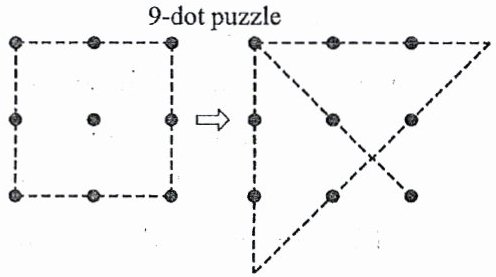
Once a teacher gave the students a 9-dot puzzle(谜)and asked them to connect the dots with only 4 lines. Naturally,this task requires some lateral thinking(跨界思维),so the teacher encouraged the students to "think outside the box". In this case, students needed to look beyond the box and create something else.
One thing stands out for us from this exercise. At first,you see a box. To draw those 4 lines,you have to first use up all the ways within the box. Only then can you realize that the problem is the box itself. You understand the box and discover its limitations. To think outside the box is to fully understand the situation—then challenge it.
Thinking outside the box helps you solve challenging problems. It allows you to look beyond a narrow view to find answers. This way of thinking also pushes you to explore new possibilities. Trying new things,imagining different answers,and daring to make mistakes help people improve. Thinking small keeps us small. When we stay within our comfort zone(舒适区),taking risks,growing,and challenging all make us feel scared. To become a good leader,or a team member,think outside the box.
Whatever you do,think twice:First in the box,then outside the box. Outside-the-box thinking often breaks the habits and may sound strange at first. But without thinking outside the box,these people, like Thomas Edison,Isaac Newton,wouldn't have changed the world in the way they did. Master the basic rules of your craft, use them properly and if they're not bringing results,allow yourself to start thinking outside the box. You'll be glad you did.
()7. Which of the following is an example of the "lateral thinking"?
A. Watching TV in the evening.
B. Buying milk at a supermarket.
C. Taking the bus to the office.
D. Using a plastic bottle as a bird bowl.
()8. What does the sentence "Thinking small keeps us small." mean in Paragraph 5?
A. Small thinking helps achieve big success.
B. Avoiding challenges and risks limits personal growth.
C. Big thinking leads to unnecessary risks and problems.
D. Small thinking is the key to staying safe and comfortable.
()9. What's the main purpose in writing this passage?
A. To discuss unusual methods.
B. To doubt creative thinking.
C. To explain ways to avoid risks.
D. To encourage us to think creatively.
Whenever we face any challenge,we stop and ask,"What if?" What if we challenge the rules and start thinking outside the box?
Thinking outside the box is a metaphor(隐喻)often used to describe different or creative thinking. It shows up in simple things like using paper to make artworks, instead of just writing on them.
Once a teacher gave the students a 9-dot puzzle(谜)and asked them to connect the dots with only 4 lines. Naturally,this task requires some lateral thinking(跨界思维),so the teacher encouraged the students to "think outside the box". In this case, students needed to look beyond the box and create something else.
One thing stands out for us from this exercise. At first,you see a box. To draw those 4 lines,you have to first use up all the ways within the box. Only then can you realize that the problem is the box itself. You understand the box and discover its limitations. To think outside the box is to fully understand the situation—then challenge it.
Thinking outside the box helps you solve challenging problems. It allows you to look beyond a narrow view to find answers. This way of thinking also pushes you to explore new possibilities. Trying new things,imagining different answers,and daring to make mistakes help people improve. Thinking small keeps us small. When we stay within our comfort zone(舒适区),taking risks,growing,and challenging all make us feel scared. To become a good leader,or a team member,think outside the box.
Whatever you do,think twice:First in the box,then outside the box. Outside-the-box thinking often breaks the habits and may sound strange at first. But without thinking outside the box,these people, like Thomas Edison,Isaac Newton,wouldn't have changed the world in the way they did. Master the basic rules of your craft, use them properly and if they're not bringing results,allow yourself to start thinking outside the box. You'll be glad you did.
()7. Which of the following is an example of the "lateral thinking"?
A. Watching TV in the evening.
B. Buying milk at a supermarket.
C. Taking the bus to the office.
D. Using a plastic bottle as a bird bowl.
()8. What does the sentence "Thinking small keeps us small." mean in Paragraph 5?
A. Small thinking helps achieve big success.
B. Avoiding challenges and risks limits personal growth.
C. Big thinking leads to unnecessary risks and problems.
D. Small thinking is the key to staying safe and comfortable.
()9. What's the main purpose in writing this passage?
A. To discuss unusual methods.
B. To doubt creative thinking.
C. To explain ways to avoid risks.
D. To encourage us to think creatively.
答案:7-9 DBD
解析:
翻译:
(C)
每当我们面临任何挑战时,我们都会停下来问:“如果……会怎样?”如果我们挑战规则并开始跳出固有思维模式思考,会怎样呢?
“跳出固有思维模式思考”是一个常用来描述不同的或创造性思维的隐喻。它体现在一些简单的事情上,比如用纸来制作艺术品,而不仅仅是在纸上写字。
有一次,一位老师给学生们出了一道九点谜题,要求他们只用四条线把这些点连接起来。自然,这项任务需要一些跨界思维,所以老师鼓励学生们“跳出固有思维模式思考”。在这种情况下,学生们需要超越这个“框”的限制,创造出别的东西。
从这个练习中,有一件事引起了我们的注意。一开始,你看到一个“框”。要画出那四条线,你必须首先用尽“框”内的所有方法。只有到那时,你才会意识到问题本身就是这个“框”。你理解了这个“框”,并发现了它的局限性。跳出固有思维模式思考就是要充分了解情况,然后挑战它。
跳出固有思维模式思考能帮助你解决具有挑战性的问题。它能让你超越狭隘的视角去寻找答案。这种思维方式也会促使你探索新的可能性。尝试新事物、想象不同的答案以及敢于犯错,都有助于人们进步。“思维狭隘会限制我们的发展”。当我们待在自己的舒适区时,冒险、成长和挑战都会让我们感到害怕。要成为一名优秀的领导者或团队成员,就要跳出固有思维模式思考。
无论你做什么,都要三思:先在“框”内思考,然后再跳出“框”思考。跳出固有思维模式的思考往往会打破习惯,一开始可能听起来很奇怪。但如果不跳出固有思维模式思考,像托马斯·爱迪生、艾萨克·牛顿这样的人,就不会以他们那样的方式改变世界。掌握你所从事行业的基本规则,正确地运用它们,如果它们没有带来预期的结果,就让自己开始跳出固有思维模式思考。你会为自己这样做而感到高兴的。
7. 以下哪一项是“跨界思维”的例子?
A. 晚上看电视。
B. 在超市买牛奶。
C. 乘公交车去办公室。
D. 把塑料瓶当作鸟碗。
8. 第5段中“Thinking small keeps us small.”这句话是什么意思?
A. 思维狭隘有助于取得巨大成功。
B. 回避挑战和风险会限制个人成长。
C. 思维宏大会导致不必要的风险和问题。
D. 思维狭隘是保持安全和舒适的关键。
9. 写这篇文章的主要目的是什么?
A. 讨论不寻常的方法。
B. 质疑创造性思维。
C. 解释规避风险的方法。
D. 鼓励我们进行创造性思考。
(C)
每当我们面临任何挑战时,我们都会停下来问:“如果……会怎样?”如果我们挑战规则并开始跳出固有思维模式思考,会怎样呢?
“跳出固有思维模式思考”是一个常用来描述不同的或创造性思维的隐喻。它体现在一些简单的事情上,比如用纸来制作艺术品,而不仅仅是在纸上写字。
有一次,一位老师给学生们出了一道九点谜题,要求他们只用四条线把这些点连接起来。自然,这项任务需要一些跨界思维,所以老师鼓励学生们“跳出固有思维模式思考”。在这种情况下,学生们需要超越这个“框”的限制,创造出别的东西。
从这个练习中,有一件事引起了我们的注意。一开始,你看到一个“框”。要画出那四条线,你必须首先用尽“框”内的所有方法。只有到那时,你才会意识到问题本身就是这个“框”。你理解了这个“框”,并发现了它的局限性。跳出固有思维模式思考就是要充分了解情况,然后挑战它。
跳出固有思维模式思考能帮助你解决具有挑战性的问题。它能让你超越狭隘的视角去寻找答案。这种思维方式也会促使你探索新的可能性。尝试新事物、想象不同的答案以及敢于犯错,都有助于人们进步。“思维狭隘会限制我们的发展”。当我们待在自己的舒适区时,冒险、成长和挑战都会让我们感到害怕。要成为一名优秀的领导者或团队成员,就要跳出固有思维模式思考。
无论你做什么,都要三思:先在“框”内思考,然后再跳出“框”思考。跳出固有思维模式的思考往往会打破习惯,一开始可能听起来很奇怪。但如果不跳出固有思维模式思考,像托马斯·爱迪生、艾萨克·牛顿这样的人,就不会以他们那样的方式改变世界。掌握你所从事行业的基本规则,正确地运用它们,如果它们没有带来预期的结果,就让自己开始跳出固有思维模式思考。你会为自己这样做而感到高兴的。
7. 以下哪一项是“跨界思维”的例子?
A. 晚上看电视。
B. 在超市买牛奶。
C. 乘公交车去办公室。
D. 把塑料瓶当作鸟碗。
8. 第5段中“Thinking small keeps us small.”这句话是什么意思?
A. 思维狭隘有助于取得巨大成功。
B. 回避挑战和风险会限制个人成长。
C. 思维宏大会导致不必要的风险和问题。
D. 思维狭隘是保持安全和舒适的关键。
9. 写这篇文章的主要目的是什么?
A. 讨论不寻常的方法。
B. 质疑创造性思维。
C. 解释规避风险的方法。
D. 鼓励我们进行创造性思考。