一、圈出下列句子中画线部分发音不同的单词。
1. There are twelve months in a year and the fourth one is April.
2. My mother asks me to brush my teeth twice a day and care more about them.
3. Tim is thinking about his father's birthday gift.
4. The little mouse is showing his cousin around the farm.
1. There are twelve months in a year and the fourth one is April.
2. My mother asks me to brush my teeth twice a day and care more about them.
3. Tim is thinking about his father's birthday gift.
4. The little mouse is showing his cousin around the farm.
答案:1. 圈出 There 解析:There 中 Th 发/ð/浊辅音,而 months 和 fourth 中 th 都发/θ/清辅音。
2. 圈出 teeth 解析:teeth 中 th 发/θ/清辅音,而 mother 和 them 中 th 都发/ð/浊辅音。
3. 圈出 father's 解析:father's 中 th 发/ð/浊辅音,而 thinking 和 birthday 中 th 都发/θ/清辅音。
4. 圈出 cousin 解析:cousin 中 ou 发/ʌ/,而 mouse 和 around 中 ou 都发/aʊ/。
2. 圈出 teeth 解析:teeth 中 th 发/θ/清辅音,而 mother 和 them 中 th 都发/ð/浊辅音。
3. 圈出 father's 解析:father's 中 th 发/ð/浊辅音,而 thinking 和 birthday 中 th 都发/θ/清辅音。
4. 圈出 cousin 解析:cousin 中 ou 发/ʌ/,而 mouse 和 around 中 ou 都发/aʊ/。
解析:
【分析】
这道题属于英语单词辨音题,解题思路非常清晰:首先明确每道小题里所有划线部分对应的字母组合,回忆该类字母组合的常见发音规则,逐个标注出三个单词划线部分的具体音标,再将三个音标做对比,找出仅出现一次、和另外两个发音都不相同的单词即可。遇到字母组合th时要注意区分清辅音/θ/和浊辅音/ð/的差异,遇到ou组合时要注意区分不同拼读场景下的元音发音,逐一排查就能得到正确结果。
【解析】
我们逐小题对比划线部分发音:
1. 三个单词划线部分发音:There的字母组合th发/ð/,months的字母组合th发/θ/,fourth的字母组合th发/θ/,因此There的发音和另外两个不同。
2. 三个单词划线部分发音:mother的字母组合th发/ð/,teeth的字母组合th发/θ/,them的字母组合th发/ð/,因此teeth的发音和另外两个不同。
3. 三个单词划线部分发音:thinking的字母组合th发/θ/,father's的字母组合th发/ð/,birthday的字母组合th发/θ/,因此father's的发音和另外两个不同。
4. 三个单词划线部分发音:mouse的字母组合ou发/aʊ/,cousin的字母组合ou发/ʌ/,around的字母组合ou发/aʊ/,因此cousin的发音和另外两个不同。
【答案】
1. 圈出There
2. 圈出teeth
3. 圈出father's
4. 圈出cousin
【知识点】
字母组合th发音规则;字母组合ou发音规则;清浊辅音辨析
【点评】
本题是小学英语核心的辨音考点题型,侧重考察学生对高频字母组合发音规律的掌握程度,只要平时养成正确拼读单词的习惯,熟记常见字母组合的不同发音场景,就能快速准确完成这类题目,也能为后续的音标学习打下扎实基础。
【难度系数】
0.7
这道题属于英语单词辨音题,解题思路非常清晰:首先明确每道小题里所有划线部分对应的字母组合,回忆该类字母组合的常见发音规则,逐个标注出三个单词划线部分的具体音标,再将三个音标做对比,找出仅出现一次、和另外两个发音都不相同的单词即可。遇到字母组合th时要注意区分清辅音/θ/和浊辅音/ð/的差异,遇到ou组合时要注意区分不同拼读场景下的元音发音,逐一排查就能得到正确结果。
【解析】
我们逐小题对比划线部分发音:
1. 三个单词划线部分发音:There的字母组合th发/ð/,months的字母组合th发/θ/,fourth的字母组合th发/θ/,因此There的发音和另外两个不同。
2. 三个单词划线部分发音:mother的字母组合th发/ð/,teeth的字母组合th发/θ/,them的字母组合th发/ð/,因此teeth的发音和另外两个不同。
3. 三个单词划线部分发音:thinking的字母组合th发/θ/,father's的字母组合th发/ð/,birthday的字母组合th发/θ/,因此father's的发音和另外两个不同。
4. 三个单词划线部分发音:mouse的字母组合ou发/aʊ/,cousin的字母组合ou发/ʌ/,around的字母组合ou发/aʊ/,因此cousin的发音和另外两个不同。
【答案】
1. 圈出There
2. 圈出teeth
3. 圈出father's
4. 圈出cousin
【知识点】
字母组合th发音规则;字母组合ou发音规则;清浊辅音辨析
【点评】
本题是小学英语核心的辨音考点题型,侧重考察学生对高频字母组合发音规律的掌握程度,只要平时养成正确拼读单词的习惯,熟记常见字母组合的不同发音场景,就能快速准确完成这类题目,也能为后续的音标学习打下扎实基础。
【难度系数】
0.7
二、用所给词的适当形式填空。
1. Is
2. What about
3. Father's Day is on the
4. Today is Jane's birthday, and her mother
5. 地域特色 The twins usually go to Tongshan District (铜山区) to visit
1. Is
Mother's
Day for mothers
? (mother)2. What about
having
(have) a picnic next week?3. Father's Day is on the
third
(three) Sunday of June.4. Today is Jane's birthday, and her mother
gives
(give) her a new schoolbag.5. 地域特色 The twins usually go to Tongshan District (铜山区) to visit
their
(they) grandparents on Sundays.答案:1. Mother's; mothers 2. having 3. third 4. gives 5. their
解析:
【分析】
做这类用所给词的适当形式填空题,首先要通读全句明确语境和时态,再观察空格前后的搭配线索,结合提示词的词性转换规则推导正确形式:
1. 第一题先看第一个空后是Day,对应节日专有名词的表达规则,第二个空前的for表示对象,要判断是泛指所有母亲;
2. 第二题看到固定结构what about,回忆about是介词,介词后要接动词的动名词形式;
3. 第三题空格前有定冠词the,后面是表示顺序的含义,要把基数词变为序数词;
4. 第四题先判断时态是一般现在时,主语是第三人称单数,谓语动词要做对应变形;
5. 第五题空格后是名词grandparents,需要用形容词性物主代词来修饰这个名词,对主格人称代词做对应转换。
【解析】
1. 第一空:表达专有节日“母亲节”,固定写法为Mother's Day,用mother的名词所有格形式Mother's;第二空表示该节日面向所有母亲,用mother的复数形式mothers。
2. 固定句型What about doing sth. 用于提出建议,意为“做某事怎么样”,介词about后接动名词,因此have变为having。
3. 句意为父亲节在六月的第三个周日,定冠词the后接序数词表示顺序,基数词three对应的序数词是third。
4. 句子描述当下的客观情况,用一般现在时,主语her mother是第三人称单数,谓语动词give要变为第三人称单数形式gives。
5. 空格后有名词grandparents,需要形容词性物主代词修饰名词,主格they对应的形容词性物主代词是their。
【答案】
1. Mother's; mothers 2. having 3. third 4. gives 5. their
【知识点】
词形转换,固定搭配,基础句法
【点评】
本题是初中英语入门阶段的基础题型,覆盖了节日专有名词表达、介词后接动名词、序数词表顺序、一般现在时主谓一致、形容词性物主代词用法多个核心基础考点,整体难度偏低,学生只要熟练掌握基础词性转换规则,通过空格前后的线索提示就能快速推导出正确答案,易错点集中在第一题的第二个空,容易忽略泛指所有母亲需要用复数形式。
【难度系数】
0.8
做这类用所给词的适当形式填空题,首先要通读全句明确语境和时态,再观察空格前后的搭配线索,结合提示词的词性转换规则推导正确形式:
1. 第一题先看第一个空后是Day,对应节日专有名词的表达规则,第二个空前的for表示对象,要判断是泛指所有母亲;
2. 第二题看到固定结构what about,回忆about是介词,介词后要接动词的动名词形式;
3. 第三题空格前有定冠词the,后面是表示顺序的含义,要把基数词变为序数词;
4. 第四题先判断时态是一般现在时,主语是第三人称单数,谓语动词要做对应变形;
5. 第五题空格后是名词grandparents,需要用形容词性物主代词来修饰这个名词,对主格人称代词做对应转换。
【解析】
1. 第一空:表达专有节日“母亲节”,固定写法为Mother's Day,用mother的名词所有格形式Mother's;第二空表示该节日面向所有母亲,用mother的复数形式mothers。
2. 固定句型What about doing sth. 用于提出建议,意为“做某事怎么样”,介词about后接动名词,因此have变为having。
3. 句意为父亲节在六月的第三个周日,定冠词the后接序数词表示顺序,基数词three对应的序数词是third。
4. 句子描述当下的客观情况,用一般现在时,主语her mother是第三人称单数,谓语动词give要变为第三人称单数形式gives。
5. 空格后有名词grandparents,需要形容词性物主代词修饰名词,主格they对应的形容词性物主代词是their。
【答案】
1. Mother's; mothers 2. having 3. third 4. gives 5. their
【知识点】
词形转换,固定搭配,基础句法
【点评】
本题是初中英语入门阶段的基础题型,覆盖了节日专有名词表达、介词后接动名词、序数词表顺序、一般现在时主谓一致、形容词性物主代词用法多个核心基础考点,整体难度偏低,学生只要熟练掌握基础词性转换规则,通过空格前后的线索提示就能快速推导出正确答案,易错点集中在第一题的第二个空,容易忽略泛指所有母亲需要用复数形式。
【难度系数】
0.8
(
A. to; for
B. with; to
C. about; to
D. about; for
D
)1.The children are talking about
the presents for
Mum.A. to; for
B. with; to
C. about; to
D. about; for
答案:1. D 解析:句意:孩子们正在讨论(关于)给妈妈的生日礼物。第一空考查固定搭配 talk about ... (讨论关于……);第二空表示给某人的礼物,介词用 for。故选 D。
解析:
【分析】
拿到这道题我们可以分两步推导:第一步先回忆和talk搭配的常见介词短语的含义,talk to/with后面要接交谈的对象(人),表示和某人交谈;talk about后面接交谈的内容(事物),表示谈论某事。第一空后面的宾语是the presents(礼物),属于交谈的内容,所以第一空要选about,直接排除A、B两个不符合的选项。第二步再对比剩下的C、D选项,判断第二空的介词逻辑:如果用介词to,表达的是“对着妈妈谈论礼物”,不符合常规表意逻辑;用介词for可以表示“给、为了”的含义,说明礼物是给妈妈的,整体句意通顺,就能选出正确答案。
【解析】
1. 先判断第一空:
和talk搭配的常见短语中,talk to、talk with的后续宾语必须是交谈的对象(人),而此处第一空后是事物the presents(礼物),属于交谈的内容,因此要使用固定搭配talk about表示“讨论、谈论……”,直接排除A、B选项。
2. 再判断第二空:
剩余选项C的第二空是to,代入后表意是“对着妈妈谈论礼物”,不符合句子逻辑;选项D的第二空是for,介词for此处表示“给、为了”的指向,表意是“给妈妈的礼物”,整句含义为“孩子们正在讨论给妈妈的礼物”,逻辑通顺,因此排除C,选D。
【答案】D
【知识点】
talk固定搭配,介词辨析
【点评】
本题是基础的动词短语和介词辨析题,易错点是容易误选C,错把句意理解成“和妈妈谈论礼物”,解题时不能孤立套用短语,要结合整体句意判断介词的逻辑指向,就能避开误区。
【难度系数】
0.7
拿到这道题我们可以分两步推导:第一步先回忆和talk搭配的常见介词短语的含义,talk to/with后面要接交谈的对象(人),表示和某人交谈;talk about后面接交谈的内容(事物),表示谈论某事。第一空后面的宾语是the presents(礼物),属于交谈的内容,所以第一空要选about,直接排除A、B两个不符合的选项。第二步再对比剩下的C、D选项,判断第二空的介词逻辑:如果用介词to,表达的是“对着妈妈谈论礼物”,不符合常规表意逻辑;用介词for可以表示“给、为了”的含义,说明礼物是给妈妈的,整体句意通顺,就能选出正确答案。
【解析】
1. 先判断第一空:
和talk搭配的常见短语中,talk to、talk with的后续宾语必须是交谈的对象(人),而此处第一空后是事物the presents(礼物),属于交谈的内容,因此要使用固定搭配talk about表示“讨论、谈论……”,直接排除A、B选项。
2. 再判断第二空:
剩余选项C的第二空是to,代入后表意是“对着妈妈谈论礼物”,不符合句子逻辑;选项D的第二空是for,介词for此处表示“给、为了”的指向,表意是“给妈妈的礼物”,整句含义为“孩子们正在讨论给妈妈的礼物”,逻辑通顺,因此排除C,选D。
【答案】D
【知识点】
talk固定搭配,介词辨析
【点评】
本题是基础的动词短语和介词辨析题,易错点是容易误选C,错把句意理解成“和妈妈谈论礼物”,解题时不能孤立套用短语,要结合整体句意判断介词的逻辑指向,就能避开误区。
【难度系数】
0.7
(
A. asks
B. speaks
C. calls
D. talks
C
)2.Her name is Zhou Mo. Her mother calls
her Momo.A. asks
B. speaks
C. calls
D. talks
答案:2. C
解析:
【分析】
首先通读题干,明确句子大意:她的名字叫周茉,她妈妈________她“茉茉”,空缺处需要填入表达“称呼、叫”含义的动词,且要符合“动词+sb+称呼”的结构。接下来我们逐个辨析四个选项的词义和常用搭配,排除语义、结构不符合的选项,就能匹配到正确答案。
【解析】
先翻译题干:她的名字是周茉,她妈妈叫她茉茉。
逐一分析选项:
1. 选项A:asks意为“询问、要求”,常用搭配为ask sb to do sth,语义不符合此处表达称呼的需求,排除。
2. 选项B:speaks意为“说(语言)、讲话”,后常接表示语言的名词作宾语,无法构成“动词+sb+称呼”的结构,排除。
3. 选项C:calls意为“称呼、呼叫”,固定搭配call sb. sth. 表示“称呼某人为……”,完全符合题干的语义和结构要求。
4. 选项D:talks意为“交谈、谈话”,属于不及物动词,后续需要搭配介词to/with/about才能接宾语,不能直接接“sb+称呼”,排除。
综上正确选项为C。
【答案】
C
【知识点】
动词词义辨析,动词固定搭配
【点评】
本题属于基础的动词辨析题,核心考察学生对四个和“说”相关的常用动词的用法区分,以及call sb sth这个高频固定搭配的掌握,只要平时牢记常见动词的搭配差异,就能轻松选出正确答案。
【难度系数】
0.8
首先通读题干,明确句子大意:她的名字叫周茉,她妈妈________她“茉茉”,空缺处需要填入表达“称呼、叫”含义的动词,且要符合“动词+sb+称呼”的结构。接下来我们逐个辨析四个选项的词义和常用搭配,排除语义、结构不符合的选项,就能匹配到正确答案。
【解析】
先翻译题干:她的名字是周茉,她妈妈叫她茉茉。
逐一分析选项:
1. 选项A:asks意为“询问、要求”,常用搭配为ask sb to do sth,语义不符合此处表达称呼的需求,排除。
2. 选项B:speaks意为“说(语言)、讲话”,后常接表示语言的名词作宾语,无法构成“动词+sb+称呼”的结构,排除。
3. 选项C:calls意为“称呼、呼叫”,固定搭配call sb. sth. 表示“称呼某人为……”,完全符合题干的语义和结构要求。
4. 选项D:talks意为“交谈、谈话”,属于不及物动词,后续需要搭配介词to/with/about才能接宾语,不能直接接“sb+称呼”,排除。
综上正确选项为C。
【答案】
C
【知识点】
动词词义辨析,动词固定搭配
【点评】
本题属于基础的动词辨析题,核心考察学生对四个和“说”相关的常用动词的用法区分,以及call sb sth这个高频固定搭配的掌握,只要平时牢记常见动词的搭配差异,就能轻松选出正确答案。
【难度系数】
0.8
(
A. have
B. has
C. having
D. are having
B
)3.There is a great party. Everybody has
fun!A. have
B. has
C. having
D. are having
答案:3. B 解析:句意:有个很棒的聚会。每个人都玩得很愉快! 主语 Everybody 表示单数,谓语动词应该用 have 的第三人称单数形式 has。故选 B。
解析:
【分析】
首先拿到这道题先判断核心考点是主谓一致规则,第一步先定位第二句的主语为Everybody,明确它是表单数属性的复合不定代词;第二步结合前半句的一般现在时语境,确定谓语动词需要匹配单数形式;第三步逐一比对选项排除错误项:A是动词原形不符合单数主语要求,C是现在分词无法单独作谓语,D的be动词是复数are和单数主语不匹配,最终就能选出正确答案。
【解析】
1. 梳理句意:题干含义为“有一场很棒的聚会,每个人都玩得很愉快!”
2. 分析主语语法属性:主语Everybody是复合不定代词,按照英语语法规则,这类指代整体的不定代词作主语时,谓语动词必须使用第三人称单数形式。
3. 逐一排除错误选项:
选项A:have是动词原形,仅适配非第三人称单数的主语,不符合要求;
选项C:having是现在分词,无法单独充当句子的谓语成分,语法结构不成立;
选项D:are having是复数形式的现在进行时谓语结构,和单数主语everybody不匹配;
选项B:has是have的第三人称单数形式,完全符合主谓一致的规则。
因此正确答案选B。
【答案】
B
【知识点】
主谓一致;不定代词用法;一般现在时
【点评】
本题是小学/初中阶段的基础语法题,核心考察复合不定代词作主语时的主谓一致规则,易错点是部分同学会受everybody指代多个人的语义影响,误选复数形式的谓语,只要牢记不定代词作主语统一视为单数的规则就能轻松得分。
【难度系数】
0.8
首先拿到这道题先判断核心考点是主谓一致规则,第一步先定位第二句的主语为Everybody,明确它是表单数属性的复合不定代词;第二步结合前半句的一般现在时语境,确定谓语动词需要匹配单数形式;第三步逐一比对选项排除错误项:A是动词原形不符合单数主语要求,C是现在分词无法单独作谓语,D的be动词是复数are和单数主语不匹配,最终就能选出正确答案。
【解析】
1. 梳理句意:题干含义为“有一场很棒的聚会,每个人都玩得很愉快!”
2. 分析主语语法属性:主语Everybody是复合不定代词,按照英语语法规则,这类指代整体的不定代词作主语时,谓语动词必须使用第三人称单数形式。
3. 逐一排除错误选项:
选项A:have是动词原形,仅适配非第三人称单数的主语,不符合要求;
选项C:having是现在分词,无法单独充当句子的谓语成分,语法结构不成立;
选项D:are having是复数形式的现在进行时谓语结构,和单数主语everybody不匹配;
选项B:has是have的第三人称单数形式,完全符合主谓一致的规则。
因此正确答案选B。
【答案】
B
【知识点】
主谓一致;不定代词用法;一般现在时
【点评】
本题是小学/初中阶段的基础语法题,核心考察复合不定代词作主语时的主谓一致规则,易错点是部分同学会受everybody指代多个人的语义影响,误选复数形式的谓语,只要牢记不定代词作主语统一视为单数的规则就能轻松得分。
【难度系数】
0.8
(
—
A. Don't worry.
B. What a pity!
C. That's a good idea!
D. That's all right.
C
)4.—Why not buy a bunch of flowers for her?—
That's a good idea!
A. Don't worry.
B. What a pity!
C. That's a good idea!
D. That's all right.
答案:4. C
解析:
【分析】
首先先判断上句的交际功能:句中"Why not do sth."是英语里典型的提出建议的常用句型,含义是“为什么不做某事呢”,解题时需要先明确题干的对话场景是一方给另一方提建议,再逐一辨析四个选项的含义和适用场景,选出符合回应建议逻辑的正确答语即可。
【解析】
我们先梳理对话场景和各选项含义:
1. 题干第一句是向对方提出“给她买一束花”的建议,需要选出适配的回应:
选项A:Don't worry. 意为“别担心”,仅用于安慰情绪焦虑、担忧的人,和回应建议的场景不匹配;
选项B:What a pity! 意为“太遗憾了”,用于对不如意的事表达惋惜,不符合本题语境;
选项C:That's a good idea! 意为“那是个好主意!”,是对他人提出的建议表达认可、赞同的标准常用回应,完全适配对话场景;
选项D:That's all right. 意为“没关系/不客气”,多用于回应他人的道歉或者道谢,不适合用来回应建议。
因此正确答案是C。
【答案】
C
【知识点】
情景交际,提建议类应答
【点评】
本题属于基础情景交际题,核心考点是区分不同日常口语表达的适用场景,同学们平时要多积累不同交际场景的固定应答句式,做题时先判断对话的交际功能,就能快速排除错误选项得到正确答案。
【难度系数】
0.8
首先先判断上句的交际功能:句中"Why not do sth."是英语里典型的提出建议的常用句型,含义是“为什么不做某事呢”,解题时需要先明确题干的对话场景是一方给另一方提建议,再逐一辨析四个选项的含义和适用场景,选出符合回应建议逻辑的正确答语即可。
【解析】
我们先梳理对话场景和各选项含义:
1. 题干第一句是向对方提出“给她买一束花”的建议,需要选出适配的回应:
选项A:Don't worry. 意为“别担心”,仅用于安慰情绪焦虑、担忧的人,和回应建议的场景不匹配;
选项B:What a pity! 意为“太遗憾了”,用于对不如意的事表达惋惜,不符合本题语境;
选项C:That's a good idea! 意为“那是个好主意!”,是对他人提出的建议表达认可、赞同的标准常用回应,完全适配对话场景;
选项D:That's all right. 意为“没关系/不客气”,多用于回应他人的道歉或者道谢,不适合用来回应建议。
因此正确答案是C。
【答案】
C
【知识点】
情景交际,提建议类应答
【点评】
本题属于基础情景交际题,核心考点是区分不同日常口语表达的适用场景,同学们平时要多积累不同交际场景的固定应答句式,做题时先判断对话的交际功能,就能快速排除错误选项得到正确答案。
【难度系数】
0.8
四、传统文化 根据上下文和图片提示补全对话,每空一词。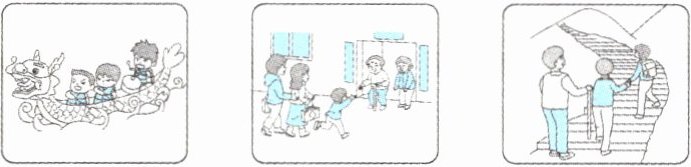
A: What's your favourite festival?
B: I like the
A: What do you usually do at this festival?
B: I often watch
A: The
B: When is it?
A: It's in
A: What's your favourite festival?
B: I like the
Dragon
Boat
Festival. It's usually in May or June.A: What do you usually do at this festival?
B: I often watch
dragon
boat
races
with my parents and eat rice
dumplings
. Which festival do you like best?A: The
Double
Ninth
Festival is my favourite.B: When is it?
A: It's in
October
or November
. My parents and I often visit
my grandparents. Sometimes we climb
mountains together.答案:Dragon Boat; dragon boat races; rice dumplings; Double Ninth; October; November; visit; climb
解析:
【分析】
解题时首先结合三张图片的提示和给出的时间、活动线索逐一匹配对应的节日:首先第一张图是赛龙舟的画面,结合提示“节日通常在五月或六月”,可以确定第一个节日是端午节,再对应端午节的典型活动和传统食物填空;接着第二、第三张图分别是全家拜访长辈、结伴爬山的画面,对应中国传统的重阳节,结合重阳节的公历时间、相关习俗补全剩余空缺,注意专有名词的首字母要大写,动词要符合一般现在时的语法规则。
【解析】
1. 前两空:根据第一张龙舟图案,以及节日时间在5或6月的提示,可知是端午节,英文为Dragon Boat Festival,专有名词首字母大写。
2. 接下来三空:端午节的经典活动是观看龙舟比赛,对应短语dragon boat races。
3. 接下来两空:端午节的传统特色食物是粽子,对应短语rice dumplings。
4. 接下来两空:结合拜访老人、爬山的习俗提示,对应的节日是重阳节,英文为Double Ninth Festival。
5. 接下来两个时间空:重阳节为农历九月初九,对应的公历时间通常在十月(October)或者十一月(November)。
6. 下一空:图中是全家前往祖父母家,对应的动作是拜访,主语为复数,一般现在时用动词原形visit。
7. 最后一空:搭配mountains表示爬山,用固定短语climb mountains,主语为we,一般现在时用动词原形climb。
【答案】
Dragon Boat; dragon boat races; rice dumplings; Double Ninth; October; November; visit; climb
【知识点】
传统节日英文表达,动词固定搭配,文化常识
【点评】
本题结合插图和中国传统节日文化考察英语词汇运用,将语言知识点和传统文化常识结合,难度适中,学生只需要结合图片线索匹配对应节日的相关习俗、时间即可完成填空,需要注意节日类专有名词的首字母规范大写。
【难度系数】
0.7
解题时首先结合三张图片的提示和给出的时间、活动线索逐一匹配对应的节日:首先第一张图是赛龙舟的画面,结合提示“节日通常在五月或六月”,可以确定第一个节日是端午节,再对应端午节的典型活动和传统食物填空;接着第二、第三张图分别是全家拜访长辈、结伴爬山的画面,对应中国传统的重阳节,结合重阳节的公历时间、相关习俗补全剩余空缺,注意专有名词的首字母要大写,动词要符合一般现在时的语法规则。
【解析】
1. 前两空:根据第一张龙舟图案,以及节日时间在5或6月的提示,可知是端午节,英文为Dragon Boat Festival,专有名词首字母大写。
2. 接下来三空:端午节的经典活动是观看龙舟比赛,对应短语dragon boat races。
3. 接下来两空:端午节的传统特色食物是粽子,对应短语rice dumplings。
4. 接下来两空:结合拜访老人、爬山的习俗提示,对应的节日是重阳节,英文为Double Ninth Festival。
5. 接下来两个时间空:重阳节为农历九月初九,对应的公历时间通常在十月(October)或者十一月(November)。
6. 下一空:图中是全家前往祖父母家,对应的动作是拜访,主语为复数,一般现在时用动词原形visit。
7. 最后一空:搭配mountains表示爬山,用固定短语climb mountains,主语为we,一般现在时用动词原形climb。
【答案】
Dragon Boat; dragon boat races; rice dumplings; Double Ninth; October; November; visit; climb
【知识点】
传统节日英文表达,动词固定搭配,文化常识
【点评】
本题结合插图和中国传统节日文化考察英语词汇运用,将语言知识点和传统文化常识结合,难度适中,学生只需要结合图片线索匹配对应节日的相关习俗、时间即可完成填空,需要注意节日类专有名词的首字母规范大写。
【难度系数】
0.7
五、小初衔接 根据首字母提示,补全短文。
The Lantern Festival is celebrated every y
The Lantern Festival is celebrated every y
ear
in China. Lanterns of various shapes and sizes are hung (悬挂) on the streets
. Many children walk along the streets with lanterns in their hands
. They look happy and excited. Guessing lantern riddles is also an important part
of the festival. Every lantern has a piece
of paper with a riddle. If anyone has the answer
to the riddle, he or she can pull the paper down. And if the answer is right
, this person can get a little present
.答案:year; streets; hands; part; piece; answer; right; present
解析:
【分析】
这是一篇介绍元宵节习俗的首字母补全短文,解题时首先通读全文,明确文章核心是介绍中国元宵节的常见庆祝活动,建立整体语境认知。之后逐句结合前后文语义、小学阶段已学固定搭配和给出的首字母提示逐一推导:第一空前有every,结合常识元宵节是每年都庆祝的节日,匹配首字母y推导对应词汇;第二空描述灯笼的悬挂地点,后文提到孩子沿街行走,结合首字母s对应悬挂灯笼的场景地点;第三空描述孩子带灯笼的状态,结合首字母h对应持握灯笼的身体部位;第四空说明猜灯谜和节日的关系,结合首字母p对应“组成部分”的语义;第五空描述带谜语的纸张,结合首字母p匹配纸张的固定量词搭配;第六空描述和谜语对应的内容,结合首字母a对应谜语的答案;第七空说明能获得奖励的前提,结合首字母r对应“答案正确”的语义;第八空描述答对谜语的回报,结合首字母p对应小奖品的语义,最后通读全文验证语义通顺即可。
【解析】
1. 第一空:句意为“中国每年都会庆祝元宵节”,every year是固定常用表达,意为“每年”,符合语境和首字母y提示,填year。
2. 第二空:句意为“各种形状和大小的灯笼被悬挂在街道上”,此处泛指多处街道,用可数名词复数streets,符合首字母s提示和后续孩子沿街游玩的语境。
3. 第三空:句意为“很多孩子手里拿着灯笼沿街行走”,人有两只手,用复数形式构成搭配in their hands,意为“在他们手中”,符合首字母h提示。
4. 第四空:句意为“猜灯谜也是节日的重要组成部分”,an important part of...是固定表达,意为“……的重要部分”,符合首字母p提示。
5. 第五空:句意为“每个灯笼都有一张写着谜语的纸”,a piece of paper是固定量词搭配,意为“一张纸”,符合首字母p提示。
6. 第六空:句意为“如果有人知道谜语的答案,他/她就可以把这张纸扯下来”,the answer to the riddle是固定常用表达,意为“谜语的答案”,符合首字母a提示。
7. 第七空:句意为“如果答案是正确的,这个人就能获得一份小……”,形容词right表示“正确的”,符合首字母r提示和逻辑语境。
8. 第八空:句意为“如果答案正确,这个人就能获得一份小奖品/小礼物”,名词present表示“礼物、奖品”,符合首字母p提示和语境逻辑。
【答案】
year; streets; hands; part; piece; answer; right; present
【知识点】
固定短语搭配,传统节日常识,首字母填空技巧
【点评】
本题是典型的小初衔接难度语篇填空题,选取学生熟悉的元宵节作为主题,所有考察内容都是小学阶段核心词汇和常用固定搭配,没有超纲内容,结合生活常识和上下文语义就能顺利推导答案,仅需要注意部分可数名词要根据语义使用复数形式,避免单复数误用的小失误。
【难度系数】
0.8
这是一篇介绍元宵节习俗的首字母补全短文,解题时首先通读全文,明确文章核心是介绍中国元宵节的常见庆祝活动,建立整体语境认知。之后逐句结合前后文语义、小学阶段已学固定搭配和给出的首字母提示逐一推导:第一空前有every,结合常识元宵节是每年都庆祝的节日,匹配首字母y推导对应词汇;第二空描述灯笼的悬挂地点,后文提到孩子沿街行走,结合首字母s对应悬挂灯笼的场景地点;第三空描述孩子带灯笼的状态,结合首字母h对应持握灯笼的身体部位;第四空说明猜灯谜和节日的关系,结合首字母p对应“组成部分”的语义;第五空描述带谜语的纸张,结合首字母p匹配纸张的固定量词搭配;第六空描述和谜语对应的内容,结合首字母a对应谜语的答案;第七空说明能获得奖励的前提,结合首字母r对应“答案正确”的语义;第八空描述答对谜语的回报,结合首字母p对应小奖品的语义,最后通读全文验证语义通顺即可。
【解析】
1. 第一空:句意为“中国每年都会庆祝元宵节”,every year是固定常用表达,意为“每年”,符合语境和首字母y提示,填year。
2. 第二空:句意为“各种形状和大小的灯笼被悬挂在街道上”,此处泛指多处街道,用可数名词复数streets,符合首字母s提示和后续孩子沿街游玩的语境。
3. 第三空:句意为“很多孩子手里拿着灯笼沿街行走”,人有两只手,用复数形式构成搭配in their hands,意为“在他们手中”,符合首字母h提示。
4. 第四空:句意为“猜灯谜也是节日的重要组成部分”,an important part of...是固定表达,意为“……的重要部分”,符合首字母p提示。
5. 第五空:句意为“每个灯笼都有一张写着谜语的纸”,a piece of paper是固定量词搭配,意为“一张纸”,符合首字母p提示。
6. 第六空:句意为“如果有人知道谜语的答案,他/她就可以把这张纸扯下来”,the answer to the riddle是固定常用表达,意为“谜语的答案”,符合首字母a提示。
7. 第七空:句意为“如果答案是正确的,这个人就能获得一份小……”,形容词right表示“正确的”,符合首字母r提示和逻辑语境。
8. 第八空:句意为“如果答案正确,这个人就能获得一份小奖品/小礼物”,名词present表示“礼物、奖品”,符合首字母p提示和语境逻辑。
【答案】
year; streets; hands; part; piece; answer; right; present
【知识点】
固定短语搭配,传统节日常识,首字母填空技巧
【点评】
本题是典型的小初衔接难度语篇填空题,选取学生熟悉的元宵节作为主题,所有考察内容都是小学阶段核心词汇和常用固定搭配,没有超纲内容,结合生活常识和上下文语义就能顺利推导答案,仅需要注意部分可数名词要根据语义使用复数形式,避免单复数误用的小失误。
【难度系数】
0.8