C(2025·江苏常州期末)
In small villages,people often say hello to their neighbours in stores,on the streets,or outside their homes. But in cities,many people don’t greet their neighbours even when they are standing in line at a supermarket. A study shows that greeting neighbours,especially up to six people a day,is really good for you.
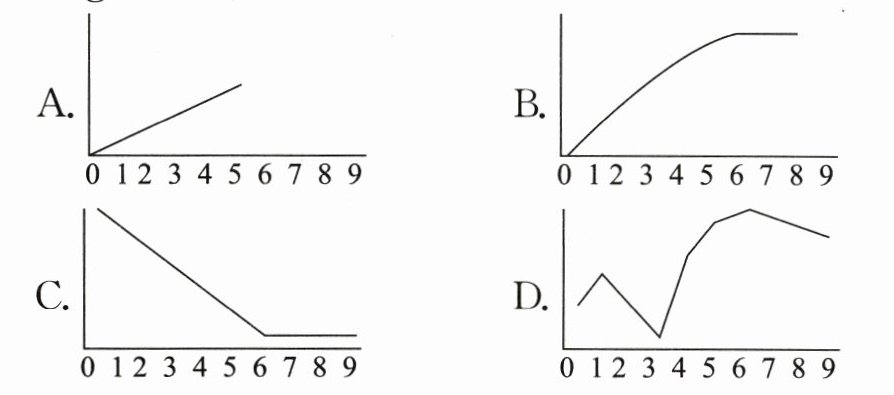
The study has found that greeting others can make you happier. The magic number is six. When you greet up to six people,your happiness score goes up. After that,the score shows no further rise. The study tested people’s social happiness,physical happiness,community happiness and more. People who greeted six neighbours had a much higher happiness score than those who didn’t greet anyone.
You might think that saying hello is only about social happiness,but that’s not true. Regular(经常的) greetings also improve your physical and community happiness.▲ If you feel your community is safe,it’s more possible for you to talk to people. Walking around your neighbourhood can make you feel better physically.
Dan Witters,the leader of the study,said,“We don’t mean that you should know the person well. Just stop and talk to him/her. The more people you greet,the more chances you have to start a conversation.”
Remember,saying hello regularly is a good way to improve your own happiness.
()8. 新考法 Which of the following shows the changes in the happiness scores after people greet neighbours?

()9. 新考法 Which sentence can be put in “▲ ”?
A. That’s because all of these are joined together.
B. It’s best to greet your neighbours in the morning.
C. Different neighbours can greet you in different ways.
D. The reason is they have nothing to do with each other.
()10. What can we learn from Dan Witters’ words?
A. The more people you know,the happier you are.
B. Saying hello may help people start a conversation.
C. Nothing improves happiness more than conversations.
D. Knowing people is more important than greeting them.
()11. What is the main idea of the passage?
A. The differences between country life and city life.
B. The importance of knowing neighbours well in cities.
C. The good points of greeting neighbours in our daily life.
D. The useful way to help people get to know neighbours.
In small villages,people often say hello to their neighbours in stores,on the streets,or outside their homes. But in cities,many people don’t greet their neighbours even when they are standing in line at a supermarket. A study shows that greeting neighbours,especially up to six people a day,is really good for you.
The study has found that greeting others can make you happier. The magic number is six. When you greet up to six people,your happiness score goes up. After that,the score shows no further rise. The study tested people’s social happiness,physical happiness,community happiness and more. People who greeted six neighbours had a much higher happiness score than those who didn’t greet anyone.
You might think that saying hello is only about social happiness,but that’s not true. Regular(经常的) greetings also improve your physical and community happiness.▲ If you feel your community is safe,it’s more possible for you to talk to people. Walking around your neighbourhood can make you feel better physically.
Dan Witters,the leader of the study,said,“We don’t mean that you should know the person well. Just stop and talk to him/her. The more people you greet,the more chances you have to start a conversation.”
Remember,saying hello regularly is a good way to improve your own happiness.
()8. 新考法 Which of the following shows the changes in the happiness scores after people greet neighbours?
()9. 新考法 Which sentence can be put in “▲ ”?
A. That’s because all of these are joined together.
B. It’s best to greet your neighbours in the morning.
C. Different neighbours can greet you in different ways.
D. The reason is they have nothing to do with each other.
()10. What can we learn from Dan Witters’ words?
A. The more people you know,the happier you are.
B. Saying hello may help people start a conversation.
C. Nothing improves happiness more than conversations.
D. Knowing people is more important than greeting them.
()11. What is the main idea of the passage?
A. The differences between country life and city life.
B. The importance of knowing neighbours well in cities.
C. The good points of greeting neighbours in our daily life.
D. The useful way to help people get to know neighbours.
答案:8. B 【点拨】根据“When you greet up to six people, your happiness score goes up. After that, the score shows no further rise.”可知,图片应显示先升后平的曲线。故选B。
9. A 【点拨】根据“You might think that saying hello is only about social happiness, but that’s not true. Regular(经常的) greetings also improve your physical and community happiness.”可知,一方面提升,另外两方面也跟着提升,说明它们三者是联动的。故选A。
10. B 【点拨】根据“The more people you greet, the more chances you have to start a conversation.”可知,打招呼可以帮助人们开始对话。故选B。
11. C 【点拨】通读全文可知,本文主要介绍了打招呼对提升幸福感的积极影响。故选C。
9. A 【点拨】根据“You might think that saying hello is only about social happiness, but that’s not true. Regular(经常的) greetings also improve your physical and community happiness.”可知,一方面提升,另外两方面也跟着提升,说明它们三者是联动的。故选A。
10. B 【点拨】根据“The more people you greet, the more chances you have to start a conversation.”可知,打招呼可以帮助人们开始对话。故选B。
11. C 【点拨】通读全文可知,本文主要介绍了打招呼对提升幸福感的积极影响。故选C。
解析:
翻译:
(2025·江苏常州期末)
在小村庄里,人们经常在商店、街道上或家门外和邻居打招呼。但在城市里,很多人即使在超市排队时也不会和邻居打招呼。一项研究表明,和邻居打招呼,尤其是一天最多和六个人打招呼,对你真的有好处。
这项研究发现,和别人打招呼能让你更快乐。神奇的数字是六。当你和最多六个人打招呼时,你的快乐分数会上升。在那之后,分数就不会再进一步上升了。这项研究测试了人们的社交幸福感、身体幸福感、社区幸福感等等。和六个邻居打招呼的人比那些不跟任何人打招呼的人快乐分数高得多。
你可能认为打招呼只和社交幸福感有关,但事实并非如此。经常打招呼也能提高你的身体幸福感和社区幸福感。▲ 如果你觉得你的社区是安全的,你就更有可能和别人交谈。在你的街区周围走走会让你身体感觉更好。
这项研究的负责人丹·维特斯说:“我们不是说你应该很了解这个人。只是停下来和他/她交谈。你打招呼的人越多,你开始交谈的机会就越多。”
记住,经常打招呼是提高你自己幸福感的好方法。
8. 新考法 以下哪一项显示了人们和邻居打招呼后快乐分数的变化?
9. 新考法 哪句话可以放在“▲”处?
A. 那是因为所有这些都是相互关联的。
B. 最好在早上和你的邻居打招呼。
C. 不同的邻居可以用不同的方式和你打招呼。
D. 原因是它们彼此之间没有关系。
10. 我们能从丹·维特斯的话中学到什么?
A. 你认识的人越多,你就越快乐。
B. 打招呼可能有助于人们开始交谈。
C. 没有什么比交谈更能提升幸福感了。
D. 认识人比和他们打招呼更重要。
11. 这篇文章的主旨是什么?
A. 乡村生活和城市生活的区别。
B. 在城市里和邻居熟悉的重要性。
C. 在日常生活中和邻居打招呼的好处。
D. 帮助人们认识邻居的有用方法。
(2025·江苏常州期末)
在小村庄里,人们经常在商店、街道上或家门外和邻居打招呼。但在城市里,很多人即使在超市排队时也不会和邻居打招呼。一项研究表明,和邻居打招呼,尤其是一天最多和六个人打招呼,对你真的有好处。
这项研究发现,和别人打招呼能让你更快乐。神奇的数字是六。当你和最多六个人打招呼时,你的快乐分数会上升。在那之后,分数就不会再进一步上升了。这项研究测试了人们的社交幸福感、身体幸福感、社区幸福感等等。和六个邻居打招呼的人比那些不跟任何人打招呼的人快乐分数高得多。
你可能认为打招呼只和社交幸福感有关,但事实并非如此。经常打招呼也能提高你的身体幸福感和社区幸福感。▲ 如果你觉得你的社区是安全的,你就更有可能和别人交谈。在你的街区周围走走会让你身体感觉更好。
这项研究的负责人丹·维特斯说:“我们不是说你应该很了解这个人。只是停下来和他/她交谈。你打招呼的人越多,你开始交谈的机会就越多。”
记住,经常打招呼是提高你自己幸福感的好方法。
8. 新考法 以下哪一项显示了人们和邻居打招呼后快乐分数的变化?
9. 新考法 哪句话可以放在“▲”处?
A. 那是因为所有这些都是相互关联的。
B. 最好在早上和你的邻居打招呼。
C. 不同的邻居可以用不同的方式和你打招呼。
D. 原因是它们彼此之间没有关系。
10. 我们能从丹·维特斯的话中学到什么?
A. 你认识的人越多,你就越快乐。
B. 打招呼可能有助于人们开始交谈。
C. 没有什么比交谈更能提升幸福感了。
D. 认识人比和他们打招呼更重要。
11. 这篇文章的主旨是什么?
A. 乡村生活和城市生活的区别。
B. 在城市里和邻居熟悉的重要性。
C. 在日常生活中和邻居打招呼的好处。
D. 帮助人们认识邻居的有用方法。