一、阅读以下两篇短文,判断正(T)误(F)。
(一)
This is a street crossing. There are red and green lights at each corner(角落). Drivers must watch the lights carefully.
When there is a green light, the cars may go on. When there is a red light, the cars must stop. They must wait until(到……为止) the red light changes to green. Then they can go on. Sometimes the cars want to make a right turn or a left turn. Sometimes they can make a right turn when the light is green or red. But they must wait until the green light is shining if they want to turn left.
Some people are colourblind(色盲). They cannot see the difference between red and green. These people must not drive, or there will be an accident. We must keep our street safe.
(
(
(
(
(
(二)
When we travel, we must pay attention to(注意) the road signs. They can help us find the right directions(方向). If you don't do as the signs tell you, you may be a "fool". Here is a story about this.
Mr Black was travelling in his car. He saw a road sign with these words: "NO FURTHER(前进). GO ANOTHER WAY". He looked ahead(前方) and saw nothing wrong at all. So he went on, thinking the sign was a kind of joke(玩笑).
After a while, Mr Black saw a broken bridge(断桥) and he had to turn back. On his way back, he saw some words on the back of the sign, saying "WELCOME BACK, FOOLS".
(
(
(
(
(
(一)
This is a street crossing. There are red and green lights at each corner(角落). Drivers must watch the lights carefully.
When there is a green light, the cars may go on. When there is a red light, the cars must stop. They must wait until(到……为止) the red light changes to green. Then they can go on. Sometimes the cars want to make a right turn or a left turn. Sometimes they can make a right turn when the light is green or red. But they must wait until the green light is shining if they want to turn left.
Some people are colourblind(色盲). They cannot see the difference between red and green. These people must not drive, or there will be an accident. We must keep our street safe.
(
F
)1.Drivers must only watch the red light at each corner of the street crossing.(
T
)2.Sometimes the drivers can make a right turn when the light is red.(
F
)3.No one should drive at the green light.(
F
)4.The colourblind people can see the difference between red and green.(
T
)5.We must follow the traffic rules.(二)
When we travel, we must pay attention to(注意) the road signs. They can help us find the right directions(方向). If you don't do as the signs tell you, you may be a "fool". Here is a story about this.
Mr Black was travelling in his car. He saw a road sign with these words: "NO FURTHER(前进). GO ANOTHER WAY". He looked ahead(前方) and saw nothing wrong at all. So he went on, thinking the sign was a kind of joke(玩笑).
After a while, Mr Black saw a broken bridge(断桥) and he had to turn back. On his way back, he saw some words on the back of the sign, saying "WELCOME BACK, FOOLS".
(
F
)1.From the passage we know we should pay attention to the broken bridges.(
F
)2.Mr Black saw this sign on his way.(
F
)3.Mr Black wanted to see the broken bridge, so he went on driving.(
F
)4."WELCOME BACK, FOOLS" means the first sign is a kind of joke.(
T
)5.This story is mainly(主要) about why road signs are important to people.答案:(一)1~5 F T F F T
(二)1~5 F F F F T
(二)1~5 F F F F T
解析:
【分析】
做这类判断正误题,解题思路是:先通读短文,理解短文大意,然后逐题回到原文中寻找对应的语句,对比题目表述和原文内容是否一致,一致则为正(T),不一致则为误(F)。
(一)篇:
1. 先找第1题对应原文:“Drivers must watch the lights carefully.”,这里的lights指红绿灯,不是只看红灯,所以题目表述错误。
2. 第2题对应原文:“Sometimes they can make a right turn when the light is green or red.”,说明红灯时有时可以右转,题目表述正确。
3. 第3题对应原文:“When there is a green light, the cars may go on.”,绿灯时车辆可以通行,题目说“没人能开”和原文矛盾,错误。
4. 第4题对应原文:“Some people are colourblind(色盲). They cannot see the difference between red and green.”,色盲无法区分红绿,题目表述相反,错误。
5. 第5题,短文最后提到“We must keep our street safe.”,结合前文的交通规则,可知我们必须遵守交通规则,题目表述正确。
(二)篇:
1. 第1题对应原文:“When we travel, we must pay attention to(注意) the road signs.”,短文强调要注意路标,不是断桥,题目表述错误。
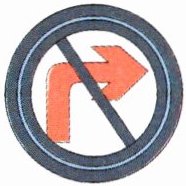
2. 第2题,原文的路标是“NO FURTHER(前进). GO ANOTHER WAY”,而插图是禁止右转标志,二者不符,题目表述错误。
3. 第3题对应原文:“He looked ahead(前方) and saw nothing wrong at all. So he went on, thinking the sign was a kind of joke(玩笑).”,Mr Black是觉得路标是玩笑才继续,不是想看断桥,题目表述错误。
4. 第4题,“WELCOME BACK, FOOLS”是讽刺不听路标指示的人,不是说第一个路标是玩笑,题目表述错误。
5. 第5题,短文开头就说路标能帮我们找方向,通过Mr Black的故事说明不遵守路标会吃亏,主要讲路标对人们的重要性,题目表述正确。
【解析】
(一)
1. 根据原文“Drivers must watch the lights carefully.”可知,司机要仔细看红绿灯,并非只看红灯,所以该题错误(F)。
2. 根据原文“Sometimes they can make a right turn when the light is green or red.”可知,有时红灯时司机可以右转,该题正确(T)。
3. 根据原文“When there is a green light, the cars may go on.”可知,绿灯时车辆可以通行,题目说“没人应该开车”不符合原文,错误(F)。
4. 根据原文“Some people are colourblind(色盲). They cannot see the difference between red and green.”可知,色盲无法区分红绿色,题目表述相反,错误(F)。
5. 短文强调要维护街道安全,结合交通规则的内容,可知我们必须遵守交通规则,该题正确(T)。
(二)
1. 根据原文“When we travel, we must pay attention to(注意) the road signs.”可知,旅行时要注意路标,不是断桥,该题错误(F)。
2. 原文中路标内容是“NO FURTHER(前进). GO ANOTHER WAY”,而插图是禁止右转标志,二者不一致,该题错误(F)。
3. 根据原文“He looked ahead(前方) and saw nothing wrong at all. So he went on, thinking the sign was a kind of joke(玩笑).”可知,Mr Black是认为路标是玩笑才继续行驶,不是想看断桥,该题错误(F)。
4. “WELCOME BACK, FOOLS”是用来讽刺不遵守路标指示的人,并非说明第一个路标是玩笑,该题错误(F)。
5. 短文通过Mr Black的故事,说明路标能指引方向,不遵守会遇到麻烦,主要讲述路标对人们的重要性,该题正确(T)。
【答案】
(一)1~5 F T F F T
(二)1~5 F F F F T
【知识点】
1. 阅读理解判断正误
2. 交通规则常识
3. 路标认知
【点评】
这两篇短文围绕交通规则和路标展开,考查学生对原文细节的抓取和理解能力。解题时需紧扣原文内容,不能凭主观臆断判断,要学会在原文中寻找对应依据,培养严谨的阅读习惯。
【难度系数】
0.7
做这类判断正误题,解题思路是:先通读短文,理解短文大意,然后逐题回到原文中寻找对应的语句,对比题目表述和原文内容是否一致,一致则为正(T),不一致则为误(F)。
(一)篇:
1. 先找第1题对应原文:“Drivers must watch the lights carefully.”,这里的lights指红绿灯,不是只看红灯,所以题目表述错误。
2. 第2题对应原文:“Sometimes they can make a right turn when the light is green or red.”,说明红灯时有时可以右转,题目表述正确。
3. 第3题对应原文:“When there is a green light, the cars may go on.”,绿灯时车辆可以通行,题目说“没人能开”和原文矛盾,错误。
4. 第4题对应原文:“Some people are colourblind(色盲). They cannot see the difference between red and green.”,色盲无法区分红绿,题目表述相反,错误。
5. 第5题,短文最后提到“We must keep our street safe.”,结合前文的交通规则,可知我们必须遵守交通规则,题目表述正确。
(二)篇:
1. 第1题对应原文:“When we travel, we must pay attention to(注意) the road signs.”,短文强调要注意路标,不是断桥,题目表述错误。
2. 第2题,原文的路标是“NO FURTHER(前进). GO ANOTHER WAY”,而插图是禁止右转标志,二者不符,题目表述错误。
3. 第3题对应原文:“He looked ahead(前方) and saw nothing wrong at all. So he went on, thinking the sign was a kind of joke(玩笑).”,Mr Black是觉得路标是玩笑才继续,不是想看断桥,题目表述错误。
4. 第4题,“WELCOME BACK, FOOLS”是讽刺不听路标指示的人,不是说第一个路标是玩笑,题目表述错误。
5. 第5题,短文开头就说路标能帮我们找方向,通过Mr Black的故事说明不遵守路标会吃亏,主要讲路标对人们的重要性,题目表述正确。
【解析】
(一)
1. 根据原文“Drivers must watch the lights carefully.”可知,司机要仔细看红绿灯,并非只看红灯,所以该题错误(F)。
2. 根据原文“Sometimes they can make a right turn when the light is green or red.”可知,有时红灯时司机可以右转,该题正确(T)。
3. 根据原文“When there is a green light, the cars may go on.”可知,绿灯时车辆可以通行,题目说“没人应该开车”不符合原文,错误(F)。
4. 根据原文“Some people are colourblind(色盲). They cannot see the difference between red and green.”可知,色盲无法区分红绿色,题目表述相反,错误(F)。
5. 短文强调要维护街道安全,结合交通规则的内容,可知我们必须遵守交通规则,该题正确(T)。
(二)
1. 根据原文“When we travel, we must pay attention to(注意) the road signs.”可知,旅行时要注意路标,不是断桥,该题错误(F)。
2. 原文中路标内容是“NO FURTHER(前进). GO ANOTHER WAY”,而插图是禁止右转标志,二者不一致,该题错误(F)。
3. 根据原文“He looked ahead(前方) and saw nothing wrong at all. So he went on, thinking the sign was a kind of joke(玩笑).”可知,Mr Black是认为路标是玩笑才继续行驶,不是想看断桥,该题错误(F)。
4. “WELCOME BACK, FOOLS”是用来讽刺不遵守路标指示的人,并非说明第一个路标是玩笑,该题错误(F)。
5. 短文通过Mr Black的故事,说明路标能指引方向,不遵守会遇到麻烦,主要讲述路标对人们的重要性,该题正确(T)。
【答案】
(一)1~5 F T F F T
(二)1~5 F F F F T
【知识点】
1. 阅读理解判断正误
2. 交通规则常识
3. 路标认知
【点评】
这两篇短文围绕交通规则和路标展开,考查学生对原文细节的抓取和理解能力。解题时需紧扣原文内容,不能凭主观臆断判断,要学会在原文中寻找对应依据,培养严谨的阅读习惯。
【难度系数】
0.7
二、阅读短文,回答问题。
How do you go to school? Do you take a bus or ride a bike? For many students, it's easy to get to school. But for some children in one small village in Hunan, it is very difficult. There is no road between the village and the school. The children have to climb down ladders(梯子) to get to school.
Yu Xinxin is an 8-year-old girl. She climbs the ladders every day. "My parents are good at it and they tell me how to do it, and now I don't think too much about how high it is," she says.
It is hard for the villagers to get in and out of the village too. Their dream is to have a road.
1. Is it easy or difficult for many children to get to school?
2. What's the difficult thing for the children in the small village in Hunan to go to school?
3. 新考法 开放式谈人物 What do you think of Yu Xinxin?
How do you go to school? Do you take a bus or ride a bike? For many students, it's easy to get to school. But for some children in one small village in Hunan, it is very difficult. There is no road between the village and the school. The children have to climb down ladders(梯子) to get to school.
Yu Xinxin is an 8-year-old girl. She climbs the ladders every day. "My parents are good at it and they tell me how to do it, and now I don't think too much about how high it is," she says.
It is hard for the villagers to get in and out of the village too. Their dream is to have a road.
1. Is it easy or difficult for many children to get to school?
It's easy for many children to go to school.
2. What's the difficult thing for the children in the small village in Hunan to go to school?
There's no road between the village and the school. The children have to climb down ladders to get to school.
3. 新考法 开放式谈人物 What do you think of Yu Xinxin?
She is a brave(勇敢的) girl.(答案不唯一)
答案:1. It's easy for many children to go to school.
2. There's no road between the village and the school. The children have to climb down ladders to get to school.
3. She is a brave(勇敢的) girl.(答案不唯一)
1. 由短文第一段第三句“For many students, it's easy to get to school.”可知,对于许多孩子来说,到达学校并不困难。
2. 由短文第一段后半部分可知,对于这些孩子来说,上学最大的困难就是村庄与学校之间没有路,他们不得不爬梯子去上学。
3. 答案合理即可。
2. There's no road between the village and the school. The children have to climb down ladders to get to school.
3. She is a brave(勇敢的) girl.(答案不唯一)
1. 由短文第一段第三句“For many students, it's easy to get to school.”可知,对于许多孩子来说,到达学校并不困难。
2. 由短文第一段后半部分可知,对于这些孩子来说,上学最大的困难就是村庄与学校之间没有路,他们不得不爬梯子去上学。
3. 答案合理即可。
解析:
【分析】
1. 第一题需抓住题干关键词“many children”,回到短文第一段定位对应内容,找到描述很多孩子上学难易程度的句子,直接提取信息即可得出答案。
2. 第二题要锁定题干中的“small village in Hunan”,在第一段后半部分找到关于这些孩子上学困难的具体表述,整理出“村庄与学校间无路、需爬梯子”这两个关键信息。
3. 第三题是开放式人物评价题,结合文中Yu Xinxin每天爬梯子上学且不再惧怕高度的表现,从勇敢、坚强等合理角度给出评价即可。
【解析】
1. 依据短文第一段第三句“For many students, it's easy to get to school.”,直接得出答案:It's easy for many children to go to school.
2. 根据短文第一段后半部分“There is no road between the village and the school. The children have to climb down ladders(梯子) to get to school.”,整理得出这些孩子上学的困难所在。
3. 文中Yu Xinxin每天坚持爬梯子上学,且克服了对高度的恐惧,据此可评价她是勇敢的女孩,答案合理即可。
【答案】
1. It's easy for many children to go to school.
2. There's no road between the village and the school. The children have to climb down ladders to get to school.
3. She is a brave(勇敢的) girl.(答案不唯一)
【知识点】
阅读理解细节定位、人物评价表达、信息提取归纳
【点评】
这篇阅读材料贴近生活实际,既考查了学生的阅读理解细节查找能力,又通过开放式题目培养了学生的语言表达能力与情感认知,能让学生体会山区孩子上学的不易,同时学习他们的勇敢品质。
【难度系数】
0.8
1. 第一题需抓住题干关键词“many children”,回到短文第一段定位对应内容,找到描述很多孩子上学难易程度的句子,直接提取信息即可得出答案。
2. 第二题要锁定题干中的“small village in Hunan”,在第一段后半部分找到关于这些孩子上学困难的具体表述,整理出“村庄与学校间无路、需爬梯子”这两个关键信息。
3. 第三题是开放式人物评价题,结合文中Yu Xinxin每天爬梯子上学且不再惧怕高度的表现,从勇敢、坚强等合理角度给出评价即可。
【解析】
1. 依据短文第一段第三句“For many students, it's easy to get to school.”,直接得出答案:It's easy for many children to go to school.
2. 根据短文第一段后半部分“There is no road between the village and the school. The children have to climb down ladders(梯子) to get to school.”,整理得出这些孩子上学的困难所在。
3. 文中Yu Xinxin每天坚持爬梯子上学,且克服了对高度的恐惧,据此可评价她是勇敢的女孩,答案合理即可。
【答案】
1. It's easy for many children to go to school.
2. There's no road between the village and the school. The children have to climb down ladders to get to school.
3. She is a brave(勇敢的) girl.(答案不唯一)
【知识点】
阅读理解细节定位、人物评价表达、信息提取归纳
【点评】
这篇阅读材料贴近生活实际,既考查了学生的阅读理解细节查找能力,又通过开放式题目培养了学生的语言表达能力与情感认知,能让学生体会山区孩子上学的不易,同时学习他们的勇敢品质。
【难度系数】
0.8