四、[新考法](苏州常熟改编)根据上下文提示,连词成句,使之成为一段完整的对话。
Grandpa: Welcome to my farm.
Jack: Thank you. 1.
Grandpa: They're apples.
Jack: 2.
Grandpa: No. They are oranges. They're very yummy.
Jack: I want an orange, please.
Grandpa: OK. 3.
Jack: No, thanks. Grandpa: What about some grapes?
Jack: OK. 4.
Grandpa: Welcome to my farm.
Jack: Thank you. 1.
What are these
(are, What, these)?Grandpa: They're apples.
Jack: 2.
Are those apples too
(Are, too, those, apples)?Grandpa: No. They are oranges. They're very yummy.
Jack: I want an orange, please.
Grandpa: OK. 3.
Would you like some apples
(you, Would, like, apples, some)?Jack: No, thanks. Grandpa: What about some grapes?
Jack: OK. 4.
I like grapes
(grapes, I, like).答案:1. What are these 2. Are those apples too 3. Would you like some apples 4. I like grapes
解析:
【分析】
我们需要结合对话上下文和英语句型结构来完成连词成句:
1. 根据Grandpa的回答“They're apples”,可知Jack是在询问“这些是什么”,这是特殊疑问句,需用“What + be动词 + 指示代词”的结构,所以把疑问词What放句首,接着be动词are,再加上主语these。
2. 根据Grandpa的否定回答“No. They are oranges”,可知Jack是在问“那些也是苹果吗”,这是一般疑问句,要以be动词Are开头,主语是those apples,“too(也)”通常放句末,据此组合单词。
3. 根据上下文,Grandpa是礼貌询问Jack是否想要一些苹果,要用常用的礼貌询问句型“Would you like + 某物?”,所以按照这个句型的语序组合单词。
4. 根据Grandpa的提议“What about some grapes?”和Jack的回答“OK”,可知Jack要表达“我喜欢葡萄”,这是陈述句,按照“主语+谓语+宾语”的语序组合即可。
【解析】
1. 本句为特殊疑问句,用于询问物品,结构为“What + be动词 + 指示代词”,故连词成句为:What are these。
2. 本句为一般疑问句,用于确认物品,一般疑问句以be动词Are开头,“too”表“也”放句末,故连词成句为:Are those apples too。
3. 本句使用礼貌询问对方意愿的句型“Would you like + 某物?”,“some apples”表示“一些苹果”,故连词成句为:Would you like some apples。
4. 本句为陈述句,表达个人喜好,结构为“主语+谓语+宾语”,故连词成句为:I like grapes。
【答案】
1. What are these 2. Are those apples too 3. Would you like some apples 4. I like grapes
【知识点】
特殊疑问句结构、一般疑问句结构、Would you like句型
【点评】
本题通过农场对话的生活化语境,考查不同基础英语句型的语序运用,既要求学生掌握各类句型的结构规则,又需要结合上下文逻辑判断句子类型,能有效提升学生在真实场景中运用英语的能力。
【难度系数】
0.8
我们需要结合对话上下文和英语句型结构来完成连词成句:
1. 根据Grandpa的回答“They're apples”,可知Jack是在询问“这些是什么”,这是特殊疑问句,需用“What + be动词 + 指示代词”的结构,所以把疑问词What放句首,接着be动词are,再加上主语these。
2. 根据Grandpa的否定回答“No. They are oranges”,可知Jack是在问“那些也是苹果吗”,这是一般疑问句,要以be动词Are开头,主语是those apples,“too(也)”通常放句末,据此组合单词。
3. 根据上下文,Grandpa是礼貌询问Jack是否想要一些苹果,要用常用的礼貌询问句型“Would you like + 某物?”,所以按照这个句型的语序组合单词。
4. 根据Grandpa的提议“What about some grapes?”和Jack的回答“OK”,可知Jack要表达“我喜欢葡萄”,这是陈述句,按照“主语+谓语+宾语”的语序组合即可。
【解析】
1. 本句为特殊疑问句,用于询问物品,结构为“What + be动词 + 指示代词”,故连词成句为:What are these。
2. 本句为一般疑问句,用于确认物品,一般疑问句以be动词Are开头,“too”表“也”放句末,故连词成句为:Are those apples too。
3. 本句使用礼貌询问对方意愿的句型“Would you like + 某物?”,“some apples”表示“一些苹果”,故连词成句为:Would you like some apples。
4. 本句为陈述句,表达个人喜好,结构为“主语+谓语+宾语”,故连词成句为:I like grapes。
【答案】
1. What are these 2. Are those apples too 3. Would you like some apples 4. I like grapes
【知识点】
特殊疑问句结构、一般疑问句结构、Would you like句型
【点评】
本题通过农场对话的生活化语境,考查不同基础英语句型的语序运用,既要求学生掌握各类句型的结构规则,又需要结合上下文逻辑判断句子类型,能有效提升学生在真实场景中运用英语的能力。
【难度系数】
0.8
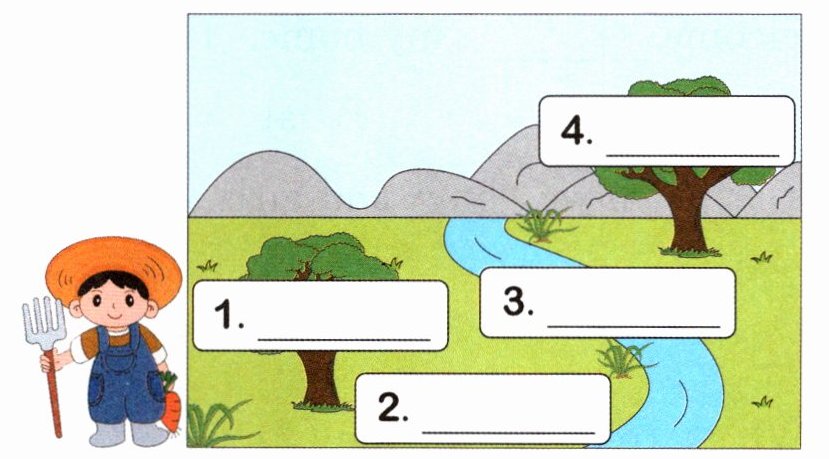
五、[新考法](镇江润州区改编)阅读短文,完成任务。
Hello, I'm Max. Welcome to my farm. My farm is small but nice. Look at these apples. They are red and sweet. Those are oranges. They are very nice too. What are these under the apple tree? Oh, they are chickens. What are those in the river? They are ducks. They like swimming. I love all the animals on my farm.
任务一:根据短文内容,选择相应的选项填写在图片的适当位置上。
A. apples
B. oranges
C. chickens
D. ducks
任务二:根据短文内容,选择正确的答案。
(
A. small but nice
B. red and sweet
C. big and sweet
(
A. 玩水
B. 洗澡
C. 游泳
Hello, I'm Max. Welcome to my farm. My farm is small but nice. Look at these apples. They are red and sweet. Those are oranges. They are very nice too. What are these under the apple tree? Oh, they are chickens. What are those in the river? They are ducks. They like swimming. I love all the animals on my farm.
任务一:根据短文内容,选择相应的选项填写在图片的适当位置上。
A. apples
B. oranges
C. chickens
D. ducks
任务二:根据短文内容,选择正确的答案。
(
B
) 1. The apples are B
.A. small but nice
B. red and sweet
C. big and sweet
(
C
) 2. 文中画线单词"swimming"的意思是"C
"。A. 玩水
B. 洗澡
C. 游泳
答案:任务一:1. A 2. C 3. D 4. B
任务二:1. B 2. C
任务二:1. B 2. C
解析:
【分析】
首先完成任务一:先通读短文,提取各事物的位置信息:1. 文中提到“Look at these apples”,对应图片中1号位置的苹果树,所以选苹果;2. 根据“What are these under the apple tree? Oh, they are chickens”,2号位置在苹果树下,对应小鸡;3. 根据“What are those in the river? They are ducks”,3号位置在河里,对应鸭子;4. 文中提到“Those are oranges”,对应图片中4号位置的树,选橙子。
完成任务二:第1题,定位到描述苹果的句子“They are red and sweet”,找到对应选项;第2题,结合语境“ducks在河里”,判断swimming的意思是游泳。
【解析】
任务一:
1. 图片1是苹果树,短文第一处提到“Look at these apples”,对应选项A;
2. 图片2在苹果树下,短文提到“What are these under the apple tree? Oh, they are chickens”,对应选项C;
3. 图片3在河流中,短文提到“What are those in the river? They are ducks”,对应选项D;
4. 图片4是另一棵树,短文提到“Those are oranges”,对应选项B。
任务二:
1. 根据短文“Look at these apples. They are red and sweet”,可知苹果是红且甜的,选B;
2. 单词“swimming”是swim的动名词形式,意为“游泳”,结合鸭子在河里的语境,选C。
【答案】
任务一:1. A 2. C 3. D 4. B
任务二:1. B 2. C
【知识点】
细节信息查找、图文匹配、词汇词义辨析
【点评】
本题通过图文结合和选择题的形式,考查学生的阅读理解能力,重点考查学生提取细节信息、结合语境理解词汇的能力,题目贴近生活,难度适中,能有效锻炼学生的阅读解题能力。
【难度系数】
0.8
首先完成任务一:先通读短文,提取各事物的位置信息:1. 文中提到“Look at these apples”,对应图片中1号位置的苹果树,所以选苹果;2. 根据“What are these under the apple tree? Oh, they are chickens”,2号位置在苹果树下,对应小鸡;3. 根据“What are those in the river? They are ducks”,3号位置在河里,对应鸭子;4. 文中提到“Those are oranges”,对应图片中4号位置的树,选橙子。
完成任务二:第1题,定位到描述苹果的句子“They are red and sweet”,找到对应选项;第2题,结合语境“ducks在河里”,判断swimming的意思是游泳。
【解析】
任务一:
1. 图片1是苹果树,短文第一处提到“Look at these apples”,对应选项A;
2. 图片2在苹果树下,短文提到“What are these under the apple tree? Oh, they are chickens”,对应选项C;
3. 图片3在河流中,短文提到“What are those in the river? They are ducks”,对应选项D;
4. 图片4是另一棵树,短文提到“Those are oranges”,对应选项B。
任务二:
1. 根据短文“Look at these apples. They are red and sweet”,可知苹果是红且甜的,选B;
2. 单词“swimming”是swim的动名词形式,意为“游泳”,结合鸭子在河里的语境,选C。
【答案】
任务一:1. A 2. C 3. D 4. B
任务二:1. B 2. C
【知识点】
细节信息查找、图文匹配、词汇词义辨析
【点评】
本题通过图文结合和选择题的形式,考查学生的阅读理解能力,重点考查学生提取细节信息、结合语境理解词汇的能力,题目贴近生活,难度适中,能有效锻炼学生的阅读解题能力。
【难度系数】
0.8