三、完形填空
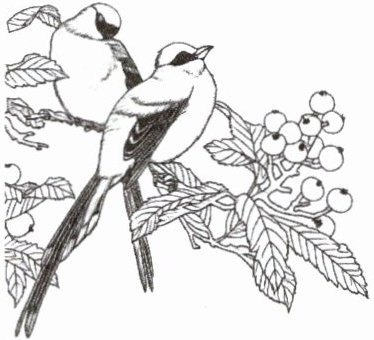
Embroidery (刺绣) is a shining star in Chinese art. It is a 1 craft. Today, we can find embroidery on many 2. It has a special 3 that draws people in.
China was the first to 4 silk, which made silkworm raising, silk reeling (缫丝), and weaving (编织) possible. This led to the growth of silk threads (线) and fabrics (织物), and 5 embroidery become possible.
The 6 known embroidered item in China is from the 7 Dynasty. In the Han Dynasty, embroidery grew 8 and showed people's standing in society. The Tang Dynasty saw a big jump in embroidery's 9 and art styles. Since then, embroidery has kept growing and formed 10 styles.
There are 11 main schools of Chinese embroidery: Xiang, Shu, Su, and Yue.
Xiang embroidery comes from Hunan Province. It uses soft thread and is based on 12 Chinese painting. Shu embroidery is from Sichuan Province. It's mostly used for 13 things like quilt (被子) covers and clothes, with designs of flowers, birds, insects, and fish. Su embroidery, from Jiangsu Province, has a strong folk feel. It's known 14 being peaceful and nice. Its weaving ways are very clear. Yue embroidery, from Guangdong Province, has 15 and bright colours. Its designs, like dragons, phoenixes, and flowers, are organized.
(
B. modern
C. simple
D. foreign
(
B. clothes
C. books
D. shoes
(
B. smell
C. taste
D. magic
(
B. buy
C. make
D. find
(
B. made
C. took
D. opened
(
B. newest
C. best
D. latest
(
B. Qing
C. Shang
D. Song
(
B. quickly
C. slow
D. quick
(
B. shapes
C. skills
D. materials
(
B. creative
C. ordinary
D. different
(
B. four
C. five
D. fifth
(
B. Eastern
C. modern
D. traditional
(
B. cheap
C. everyday
D. expensive
(
B. for
C. as
D. by
(
B. soft
C. local
D. deep
Embroidery (刺绣) is a shining star in Chinese art. It is a 1 craft. Today, we can find embroidery on many 2. It has a special 3 that draws people in.
China was the first to 4 silk, which made silkworm raising, silk reeling (缫丝), and weaving (编织) possible. This led to the growth of silk threads (线) and fabrics (织物), and 5 embroidery become possible.
The 6 known embroidered item in China is from the 7 Dynasty. In the Han Dynasty, embroidery grew 8 and showed people's standing in society. The Tang Dynasty saw a big jump in embroidery's 9 and art styles. Since then, embroidery has kept growing and formed 10 styles.
There are 11 main schools of Chinese embroidery: Xiang, Shu, Su, and Yue.
Xiang embroidery comes from Hunan Province. It uses soft thread and is based on 12 Chinese painting. Shu embroidery is from Sichuan Province. It's mostly used for 13 things like quilt (被子) covers and clothes, with designs of flowers, birds, insects, and fish. Su embroidery, from Jiangsu Province, has a strong folk feel. It's known 14 being peaceful and nice. Its weaving ways are very clear. Yue embroidery, from Guangdong Province, has 15 and bright colours. Its designs, like dragons, phoenixes, and flowers, are organized.
(
A
) 1. A. nationalB. modern
C. simple
D. foreign
(
B
) 2. A. wallsB. clothes
C. books
D. shoes
(
D
) 3. A. colourB. smell
C. taste
D. magic
(
C
) 4. A. sellB. buy
C. make
D. find
(
B
) 5. A. closedB. made
C. took
D. opened
(
A
) 6. A. oldestB. newest
C. best
D. latest
(
C
) 7. A. MingB. Qing
C. Shang
D. Song
(
B
) 8. A. slowlyB. quickly
C. slow
D. quick
(
C
) 9. A. sizesB. shapes
C. skills
D. materials
(
D
) 10. A. beautifulB. creative
C. ordinary
D. different
(
B
) 11. A. fourthB. four
C. five
D. fifth
(
D
) 12. A. WesternB. Eastern
C. modern
D. traditional
(
C
) 13. A. usefulB. cheap
C. everyday
D. expensive
(
B
) 14. A. toB. for
C. as
D. by
(
A
) 15. A. richB. soft
C. local
D. deep
答案:1 - 5 ABDCB 6 - 10 ACBCD 11 - 15 BDCBA
解析:
【解析】
1. 第1空:刺绣是中国艺术的璀璨之星,是一项民族工艺,A选项national(民族的、国家的)符合语境,故选A。
2. 第2空:如今我们能在很多衣服上看到刺绣,B选项clothes(衣服)符合语境,其余选项范围较片面,故选B。
3. 第3空:刺绣有着能吸引人的特殊魔力,D选项magic(魔力)符合语境,故选D。
4. 第4空:中国是首个制作丝绸的国家,C选项make(制作)符合语境,故选C。
5. 第5空:丝绸相关产业的发展使刺绣成为可能,make sth. possible为固定搭配,此处用过去式made,故选B。
6. 第6空:中国已知最古老的刺绣物品,A选项oldest(最古老的)符合语境,故选A。
7. 第7空:已知最早的刺绣物品来自商朝,C选项Shang(商)符合史实,故选C。
8. 第8空:汉朝时刺绣发展迅速,grow为动词,需用副词quickly修饰,故选B。
9. 第9空:唐朝时刺绣的技艺与艺术风格有了巨大飞跃,C选项skills(技艺)符合语境,故选C。
10. 第10空:此后刺绣不断发展,形成了不同的风格,D选项different(不同的)符合语境,故选D。
11. 第11空:中国有四大刺绣流派,B选项four(四个)符合语境,故选B。
12. 第12空:湘绣以传统中国画为基础,D选项traditional(传统的)符合语境,故选D。
13. 第13空:蜀绣多用于日常用品,C选项everyday(日常的)符合语境,故选C。
14. 第14空:苏绣以宁静雅致闻名,be known for为固定搭配,意为“以……闻名”,故选B。
15. 第15空:粤绣色彩丰富艳丽,A选项rich(丰富的)符合语境,故选A。
【答案】
1-5 ABDCB;6-10 ACBCD;11-15 BDCBA
【知识点】
完形填空解题技巧、中国刺绣文化、词汇辨析
【点评】
本文围绕中国刺绣这一传统文化主题展开,既考查学生的词汇辨析与运用能力,也考查学生对刺绣相关文化常识的了解,解题需结合上下文语境与文化常识综合判断。
【难度系数】
0.6
1. 第1空:刺绣是中国艺术的璀璨之星,是一项民族工艺,A选项national(民族的、国家的)符合语境,故选A。
2. 第2空:如今我们能在很多衣服上看到刺绣,B选项clothes(衣服)符合语境,其余选项范围较片面,故选B。
3. 第3空:刺绣有着能吸引人的特殊魔力,D选项magic(魔力)符合语境,故选D。
4. 第4空:中国是首个制作丝绸的国家,C选项make(制作)符合语境,故选C。
5. 第5空:丝绸相关产业的发展使刺绣成为可能,make sth. possible为固定搭配,此处用过去式made,故选B。
6. 第6空:中国已知最古老的刺绣物品,A选项oldest(最古老的)符合语境,故选A。
7. 第7空:已知最早的刺绣物品来自商朝,C选项Shang(商)符合史实,故选C。
8. 第8空:汉朝时刺绣发展迅速,grow为动词,需用副词quickly修饰,故选B。
9. 第9空:唐朝时刺绣的技艺与艺术风格有了巨大飞跃,C选项skills(技艺)符合语境,故选C。
10. 第10空:此后刺绣不断发展,形成了不同的风格,D选项different(不同的)符合语境,故选D。
11. 第11空:中国有四大刺绣流派,B选项four(四个)符合语境,故选B。
12. 第12空:湘绣以传统中国画为基础,D选项traditional(传统的)符合语境,故选D。
13. 第13空:蜀绣多用于日常用品,C选项everyday(日常的)符合语境,故选C。
14. 第14空:苏绣以宁静雅致闻名,be known for为固定搭配,意为“以……闻名”,故选B。
15. 第15空:粤绣色彩丰富艳丽,A选项rich(丰富的)符合语境,故选A。
【答案】
1-5 ABDCB;6-10 ACBCD;11-15 BDCBA
【知识点】
完形填空解题技巧、中国刺绣文化、词汇辨析
【点评】
本文围绕中国刺绣这一传统文化主题展开,既考查学生的词汇辨析与运用能力,也考查学生对刺绣相关文化常识的了解,解题需结合上下文语境与文化常识综合判断。
【难度系数】
0.6