二、Millie 通过张丽了解到麦秆画这一与众不同的绘画方式,咱们来一探究竟吧!阅读下面短文,在空白处填入一个适当的单词或括号内单词的适当形式。
Wheat straw painting(麦秆画$) first appeared in the Sui and Tang dynasties. Today, some people still show a great interest in it, and Zhang Li is one of them. In 2015, Zhang Li set up her own workroom \underline{ 1 } she realized that wheat straw painting was what she wanted to do.$
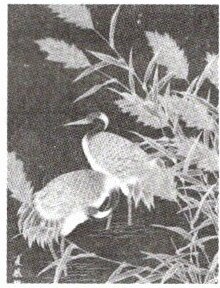
$She collects lots of wheat straw in the countryside. She dries the straw in the sun and then cuts it by hand. Colourful straws, like red, orange and brown, can be found in her artworks. Why? \underline{ 2 } they are all natural and she believes different colours make her paintings beautiful.$
$In order to develop wheat straw painting, she came up with the idea of mixing it with other \underline{ 3 } (tradition) Chinese art. \underline{ 4 } she spent two years learning Suzhou embroidery($苏绣) from some famous artists.
$Through much effort, Zhang Li \underline{ 5 } (success) brought wheat straw painting to people's attention. She said, "What I have done is just the very beginning. There is still a long way to go."$
Wheat straw painting(麦秆画$) first appeared in the Sui and Tang dynasties. Today, some people still show a great interest in it, and Zhang Li is one of them. In 2015, Zhang Li set up her own workroom \underline{ 1 } she realized that wheat straw painting was what she wanted to do.$
$She collects lots of wheat straw in the countryside. She dries the straw in the sun and then cuts it by hand. Colourful straws, like red, orange and brown, can be found in her artworks. Why? \underline{ 2 } they are all natural and she believes different colours make her paintings beautiful.$
$In order to develop wheat straw painting, she came up with the idea of mixing it with other \underline{ 3 } (tradition) Chinese art. \underline{ 4 } she spent two years learning Suzhou embroidery($苏绣) from some famous artists.
$Through much effort, Zhang Li \underline{ 5 } (success) brought wheat straw painting to people's attention. She said, "What I have done is just the very beginning. There is still a long way to go."$
答案:1. because/as
2. Because
3. traditional
4. So
5. successfully
2. Because
3. traditional
4. So
5. successfully
解析:
【分析】
这是一篇结合非遗文化语境的语篇语法填空题,解题思路如下:首先通读全文,理清文章讲述张丽传承、创新麦秆画的故事脉络,再逐空分析前后句逻辑、判断词性需求:
1. 先看第1空:前后都是完整句子,前半句说张丽2015年创办工作室,后半句说明她创办工作室的动因,需要填引导原因状语从句的连词;
2. 第2空:上一句是Why提出的设问,直接对应why的标准回答引导词即可;
3. 第3空:括号给出名词tradition,空后是名词短语Chinese art,需要形容词来修饰名词;
4. 第4空:前半句说她想到把麦秆画和其他传统艺术结合的点子,后半句说她花两年学苏绣,是顺承的因果关系,填表结果的连词;
5. 第5空:括号给出名词success,空后是动词brought,需要副词修饰动词。
【解析】
1. 空处前后句为因果逻辑,后句是前句行为的原因,可填引导原因状语从句的because/as;
2. 该空是对上文Why的直接回答,句首首字母大写,填Because;
3. 此处需要形容词作定语修饰名词短语Chinese art,名词tradition变为形容词形式traditional,意为“传统的”;
4. 前后句为因果顺承关系:因为有了融合不同传统艺术的想法,所以她去学习苏绣,句首首字母大写,填So;
5. 此处需要副词作状语修饰动词brought,名词success变为副词形式successfully,意为“成功地”。
【答案】
1. because/as
2. Because
3. traditional
4. So
5. successfully
【知识点】
连词用法,词性转换,特殊疑问句应答
【点评】
本题结合非遗麦秆画的传统文化语境命题,既考察学生对句子逻辑关系的判断能力,也覆盖了初中阶段高频的名词转形容词、名词转副词的词性转换考点,难度梯度平缓,同时能让学生在做题过程中了解传统手工艺文化,贴合英语学科的文化素养培养要求。
【难度系数】
0.7
这是一篇结合非遗文化语境的语篇语法填空题,解题思路如下:首先通读全文,理清文章讲述张丽传承、创新麦秆画的故事脉络,再逐空分析前后句逻辑、判断词性需求:
1. 先看第1空:前后都是完整句子,前半句说张丽2015年创办工作室,后半句说明她创办工作室的动因,需要填引导原因状语从句的连词;
2. 第2空:上一句是Why提出的设问,直接对应why的标准回答引导词即可;
3. 第3空:括号给出名词tradition,空后是名词短语Chinese art,需要形容词来修饰名词;
4. 第4空:前半句说她想到把麦秆画和其他传统艺术结合的点子,后半句说她花两年学苏绣,是顺承的因果关系,填表结果的连词;
5. 第5空:括号给出名词success,空后是动词brought,需要副词修饰动词。
【解析】
1. 空处前后句为因果逻辑,后句是前句行为的原因,可填引导原因状语从句的because/as;
2. 该空是对上文Why的直接回答,句首首字母大写,填Because;
3. 此处需要形容词作定语修饰名词短语Chinese art,名词tradition变为形容词形式traditional,意为“传统的”;
4. 前后句为因果顺承关系:因为有了融合不同传统艺术的想法,所以她去学习苏绣,句首首字母大写,填So;
5. 此处需要副词作状语修饰动词brought,名词success变为副词形式successfully,意为“成功地”。
【答案】
1. because/as
2. Because
3. traditional
4. So
5. successfully
【知识点】
连词用法,词性转换,特殊疑问句应答
【点评】
本题结合非遗麦秆画的传统文化语境命题,既考察学生对句子逻辑关系的判断能力,也覆盖了初中阶段高频的名词转形容词、名词转副词的词性转换考点,难度梯度平缓,同时能让学生在做题过程中了解传统手工艺文化,贴合英语学科的文化素养培养要求。
【难度系数】
0.7
三、Nancy 在外地旅游时,接触了非同寻常的面部彩绘,以下是她的个人感悟。根据短文内容,选出最佳答案。
When we think of art, we probably think of painting a picture on strong cloth or special paper, even on the walls of a city. However, in many cultures, people paint on their faces instead.
①
In fact, face painting may be the very first form of art. Painted faces are in different colours and patterns. This has been part of people's traditions for thousands of years. The way that people painted their faces can tell stories and lessons from the past.
②
People still paint their faces for lots of reasons. Patterns on faces connect people to a tribal(部落的) family and can show who is the most important in the family. For fighters, it is a way to make their enemies afraid. Face painting is also used in many ceremonies and special celebrations.
How is face painting important in theatre?
Face painting was important in ancient Japanese and Chinese ceremonies. It was also used in traditional theatres to change the actors' roles. Actors in those countries still wear white, black, and red face paint today to show feelings and make the bad people look dramatic(戏剧性的) and awful.
③
Tribal people make face paint from the natural colours in plants and earth. Plant parts are used to make different colours. The ingredients are dried over a fire and then made into a powder(粉末). This is then mixed with animal fat.
(
a. Is face painting art?
b. Is wall painting a symbol?
c. Why paint your face?
d. How to wear face paint?
e. Where does the paint come from?
A. ①-a,②-b,③-c
B. ①-b,②-e,③-d
C. ①-a,②-c,③-e
D. ①-b,②-d,③-c
(
A. For a few years.
B. For three centuries.
C. For about 100 years.
D. For thousands of years.
(
A. To look friendly.
B. To look scary.
C. To look proud.
D. To look painful.
(
A. Painting on the walls is the first form of art.
B. Animal fat is used to make different colours.
C. Patterns on faces can show people's ages in a family.
D. Face paint in colours can show actors' feelings in China.
When we think of art, we probably think of painting a picture on strong cloth or special paper, even on the walls of a city. However, in many cultures, people paint on their faces instead.
①
In fact, face painting may be the very first form of art. Painted faces are in different colours and patterns. This has been part of people's traditions for thousands of years. The way that people painted their faces can tell stories and lessons from the past.
②
People still paint their faces for lots of reasons. Patterns on faces connect people to a tribal(部落的) family and can show who is the most important in the family. For fighters, it is a way to make their enemies afraid. Face painting is also used in many ceremonies and special celebrations.
How is face painting important in theatre?
Face painting was important in ancient Japanese and Chinese ceremonies. It was also used in traditional theatres to change the actors' roles. Actors in those countries still wear white, black, and red face paint today to show feelings and make the bad people look dramatic(戏剧性的) and awful.
③
Tribal people make face paint from the natural colours in plants and earth. Plant parts are used to make different colours. The ingredients are dried over a fire and then made into a powder(粉末). This is then mixed with animal fat.
(
C
)1. 新考法 组合选择 Match the title with each part.a. Is face painting art?
b. Is wall painting a symbol?
c. Why paint your face?
d. How to wear face paint?
e. Where does the paint come from?
A. ①-a,②-b,③-c
B. ①-b,②-e,③-d
C. ①-a,②-c,③-e
D. ①-b,②-d,③-c
(
D
)2. How long has face painting been part of people's traditions?A. For a few years.
B. For three centuries.
C. For about 100 years.
D. For thousands of years.
(
B
)3. Why did fighters paint their faces when they fought?A. To look friendly.
B. To look scary.
C. To look proud.
D. To look painful.
(
D
)4. What can we know about face painting?A. Painting on the walls is the first form of art.
B. Animal fat is used to make different colours.
C. Patterns on faces can show people's ages in a family.
D. Face paint in colours can show actors' feelings in China.
答案:1. C 【解析】根据第二段中"In fact, face painting may be the very first form of art."可知,本段说明面部彩绘是一门艺术,则a项与之匹配;根据第三段中"People still paint their faces for lots of reasons."可知,本段解释了人们在脸上涂画的原因,则c项与之匹配;根据最后一段中"Tribal people make face paint from the natural colours in plants and earth."可知,本段介绍颜料的来源,则e项与之匹配。
2. D
3. B 【解析】根据第三段中"For fighters, it is a way to make their enemies afraid."可知,战士们在脸上涂抹颜色是为了震慑敌人,即看起来吓人。
4. D
2. D
3. B 【解析】根据第三段中"For fighters, it is a way to make their enemies afraid."可知,战士们在脸上涂抹颜色是为了震慑敌人,即看起来吓人。
4. D
解析:
【分析】
拿到这篇关于面部彩绘的说明文阅读题,我们可以按清晰的步骤解题:
1. 先处理第1题的段落标题匹配题:先找到①②③各自对应的段落,提取每个段落的核心主题句,把给出的小标题和段落核心逐一比对,排除明显不匹配的选项,就能快速得到正确的标题组合。
2. 剩下的3道细节理解题,提取题干里的专属关键词,回到原文定位对应语句,将原文内容和选项逐一比对,排除和原文表述不符的错误选项,就能选出正确答案。
3. 解题时注意不要混淆不同段落的信息,避免出现张冠李戴的失误。
【解析】
我们逐题推导分析:
1. ①对应的段落核心句是"In fact, face painting may be the very first form of art.",整段围绕面部彩绘属于艺术形式展开,对应小标题a"Is face painting art?";
②对应的段落核心句是"People still paint their faces for lots of reasons.",整段介绍人们进行面部彩绘的不同缘由,对应小标题c"Why paint your face?";
③对应的段落核心句是"Tribal people make face paint from the natural colours in plants and earth.",整段介绍面部彩绘颜料的原料来源,对应小标题e"Where does the paint come from?";
最终匹配结果为①-a,②-c,③-e,对应选项C。
2. 根据题干关键词"How long"定位原文第二段"This has been part of people's traditions for thousands of years.",可直接得知面部彩绘作为人们传统的一部分已经有数千年历史,对应选项D。
3. 根据题干关键词"fighters"定位原文第三段"For fighters, it is a way to make their enemies afraid.",可知战士绘制面部彩绘是为了震慑敌人,让自己看起来很吓人,对应选项B。
4. 逐一比对选项:
A选项:原文明确说明面部彩绘可能是最早的艺术形式,并非墙绘,表述错误;
B选项:原文最后一段说明动物脂肪是和颜料粉末混合使用,并非用来制作不同颜色,表述错误;
C选项:原文第三段说明面部图案可以标识家族里地位最重要的人,并非显示年龄,表述错误;
D选项:原文倒数第二段提到中国传统戏剧中演员用不同颜色的面部彩绘展现情绪,符合原文表述,正确。
【答案】
1.C 2.D 3.B 4.D
【知识点】
阅读理解细节查找,段落主旨匹配,说明文阅读
【点评】
本题融入了新考法的段落标题匹配题型,既考察学生快速提炼段落核心主旨的归纳能力,也考察学生准确定位原文细节信息的能力,整体难度适中,学生解题时只要耐心回到原文定位对应内容,避免混淆不同段落的信息,就能顺利选出正确答案。
【难度系数】
0.7
拿到这篇关于面部彩绘的说明文阅读题,我们可以按清晰的步骤解题:
1. 先处理第1题的段落标题匹配题:先找到①②③各自对应的段落,提取每个段落的核心主题句,把给出的小标题和段落核心逐一比对,排除明显不匹配的选项,就能快速得到正确的标题组合。
2. 剩下的3道细节理解题,提取题干里的专属关键词,回到原文定位对应语句,将原文内容和选项逐一比对,排除和原文表述不符的错误选项,就能选出正确答案。
3. 解题时注意不要混淆不同段落的信息,避免出现张冠李戴的失误。
【解析】
我们逐题推导分析:
1. ①对应的段落核心句是"In fact, face painting may be the very first form of art.",整段围绕面部彩绘属于艺术形式展开,对应小标题a"Is face painting art?";
②对应的段落核心句是"People still paint their faces for lots of reasons.",整段介绍人们进行面部彩绘的不同缘由,对应小标题c"Why paint your face?";
③对应的段落核心句是"Tribal people make face paint from the natural colours in plants and earth.",整段介绍面部彩绘颜料的原料来源,对应小标题e"Where does the paint come from?";
最终匹配结果为①-a,②-c,③-e,对应选项C。
2. 根据题干关键词"How long"定位原文第二段"This has been part of people's traditions for thousands of years.",可直接得知面部彩绘作为人们传统的一部分已经有数千年历史,对应选项D。
3. 根据题干关键词"fighters"定位原文第三段"For fighters, it is a way to make their enemies afraid.",可知战士绘制面部彩绘是为了震慑敌人,让自己看起来很吓人,对应选项B。
4. 逐一比对选项:
A选项:原文明确说明面部彩绘可能是最早的艺术形式,并非墙绘,表述错误;
B选项:原文最后一段说明动物脂肪是和颜料粉末混合使用,并非用来制作不同颜色,表述错误;
C选项:原文第三段说明面部图案可以标识家族里地位最重要的人,并非显示年龄,表述错误;
D选项:原文倒数第二段提到中国传统戏剧中演员用不同颜色的面部彩绘展现情绪,符合原文表述,正确。
【答案】
1.C 2.D 3.B 4.D
【知识点】
阅读理解细节查找,段落主旨匹配,说明文阅读
【点评】
本题融入了新考法的段落标题匹配题型,既考察学生快速提炼段落核心主旨的归纳能力,也考察学生准确定位原文细节信息的能力,整体难度适中,学生解题时只要耐心回到原文定位对应内容,避免混淆不同段落的信息,就能顺利选出正确答案。
【难度系数】
0.7