① Nantong, a seaside city in Jiangsu, is rich in intangible cultural heritage (ICH, 非物质文化遗产). Blue Calico Printing(蓝印花布), Banyao Kites and Tongzi Opera are its most famous ones. These treasures live on because of hard-working inheritors(传承人)—people
who keep traditions alive and bring new ideas. They also have a deep influence on teenagers.
② For Blue Calico Printing, Wang Zhenxing is an important inheritor. Born in the 1930s, he has worked on this art for over 60 years. Since 1958, he has used natural colour from blue grass. He also tried new things: he created three kinds of blue dye(dark, middle and light). He also mixed painting, paper-cutting and other art forms to make new designs.
③ Guo Chengyi keeps Banyao Kites alive. As a national-level kite maker, he has worked on this skill for over 40 years. He holds free classes in communities, teaching students to cut paper, paint pictures and tie kite lines.
④ Hu Dexin is a key inheritor of Tongzi Opera. Born in the 1960s, he comes from a family that has passed down Tongzi Opera for four generations. His father, a top-level ICH inheritor of the country, taught him all the skills. Hu not only followed the old traditions but also made new changes. He let people from other countries learn about Tongzi Opera.
⑤ These traditional arts bring great social value. Every year, Nantong holds Tongzi Opera shows, Banyao Kite festivals and Blue Calico shows. These events draw visitors, bring local people closer and show Nantong's culture to the world. For teenagers, these arts are also very meaningful. Many schools invite inheritors to give lessons. Students learn to make kites or Blue Calico bags. Some even become volunteers, sharing what they've learned at school culture events. This helps them feel proud of their hometown's culture. With the hard work of inheritors and the love of teenagers, Nantong's traditional culture will keep shining for many years.
(
A. These arts are only loved by old people.
B. These treasures are kept in big museums.
C. These traditional arts are still alive today.
D. These ICH items are hard for teens to learn.
(
① Wang's Blue Calico work
② Guo's Banyao Kites
③ Hu's Tongzi Opera shows
A. ①② B. ①③ C. ②③ D. ①②③
(
A. To tell inheritors' life stories.
B. To introduce arts and inheritors.
C. To suggest living in Nantong.
D. To compare three traditional arts.
(
D
who keep traditions alive and bring new ideas. They also have a deep influence on teenagers.
② For Blue Calico Printing, Wang Zhenxing is an important inheritor. Born in the 1930s, he has worked on this art for over 60 years. Since 1958, he has used natural colour from blue grass. He also tried new things: he created three kinds of blue dye(dark, middle and light). He also mixed painting, paper-cutting and other art forms to make new designs.
③ Guo Chengyi keeps Banyao Kites alive. As a national-level kite maker, he has worked on this skill for over 40 years. He holds free classes in communities, teaching students to cut paper, paint pictures and tie kite lines.
④ Hu Dexin is a key inheritor of Tongzi Opera. Born in the 1960s, he comes from a family that has passed down Tongzi Opera for four generations. His father, a top-level ICH inheritor of the country, taught him all the skills. Hu not only followed the old traditions but also made new changes. He let people from other countries learn about Tongzi Opera.
⑤ These traditional arts bring great social value. Every year, Nantong holds Tongzi Opera shows, Banyao Kite festivals and Blue Calico shows. These events draw visitors, bring local people closer and show Nantong's culture to the world. For teenagers, these arts are also very meaningful. Many schools invite inheritors to give lessons. Students learn to make kites or Blue Calico bags. Some even become volunteers, sharing what they've learned at school culture events. This helps them feel proud of their hometown's culture. With the hard work of inheritors and the love of teenagers, Nantong's traditional culture will keep shining for many years.
(
C
)33. What does the underlined part "These treasures live on" mean in the first paragraph?A. These arts are only loved by old people.
B. These treasures are kept in big museums.
C. These traditional arts are still alive today.
D. These ICH items are hard for teens to learn.
(
A
)34. If a student is interested in paper-cutting, he may be more attracted to .① Wang's Blue Calico work
② Guo's Banyao Kites
③ Hu's Tongzi Opera shows
A. ①② B. ①③ C. ②③ D. ①②③
(
B
)35. What is the author's purpose in writing this passage?A. To tell inheritors' life stories.
B. To introduce arts and inheritors.
C. To suggest living in Nantong.
D. To compare three traditional arts.
(
A
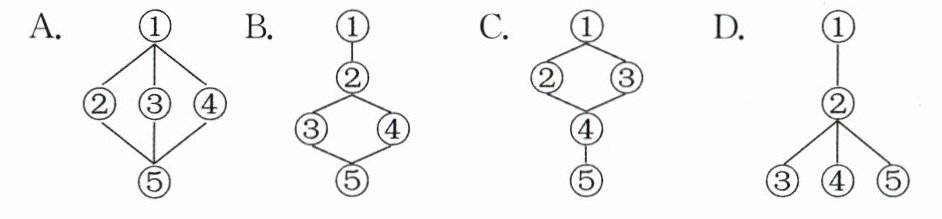
)36. What is the most proper structure of the passage?D
答案:33~36. CABA
解析:
【分析】
33题:先定位划线句在第一段,结合后文“因传承人延续、对青少年有影响”理解“live on”意为“延续至今”,逐一排除选项:A项“仅被老人喜爱”、B项“存放在博物馆”、D项“青少年难学习”均与原文不符,故选C。
34题:细节题,定位原文:第二段蓝印花布传承人融合剪纸艺术,第三段风筝传承人教剪纸,因此对剪纸感兴趣的学生更被①②吸引,选A。
35题:主旨题,全文介绍南通三种非遗及对应传承人,A项仅侧重传承人故事、C项建议住南通无依据、D项侧重比较艺术,故选B。
36题:结构题,第一段总起南通非遗,中间三段分述三个传承案例,第五段总结价值,结构为总-分-总,对应选项A。
【解析】
33题:词义猜测题,根据上下文“因传承人延续、对青少年有影响”,可知“live on”意为“延续至今”,故选C。
34题:细节理解题,由第二段蓝印花布融合剪纸、第三段风筝课教剪纸,可知选A。
35题:主旨大意题,文章核心是介绍南通非遗及其传承人,故选B。
36题:文章结构题,第一段总述,中间三段分述,第五段总结,为总-分-总结构,对应选项A。
【答案】
33.C 34.A 35.B 36.A
【知识点】
词义猜测、细节理解、主旨与结构分析
【点评】
本题围绕南通非遗传承展开,考查英语阅读理解的核心能力,需结合原文定位信息判断,难度适中。
【难度系数】
0.6
33题:先定位划线句在第一段,结合后文“因传承人延续、对青少年有影响”理解“live on”意为“延续至今”,逐一排除选项:A项“仅被老人喜爱”、B项“存放在博物馆”、D项“青少年难学习”均与原文不符,故选C。
34题:细节题,定位原文:第二段蓝印花布传承人融合剪纸艺术,第三段风筝传承人教剪纸,因此对剪纸感兴趣的学生更被①②吸引,选A。
35题:主旨题,全文介绍南通三种非遗及对应传承人,A项仅侧重传承人故事、C项建议住南通无依据、D项侧重比较艺术,故选B。
36题:结构题,第一段总起南通非遗,中间三段分述三个传承案例,第五段总结价值,结构为总-分-总,对应选项A。
【解析】
33题:词义猜测题,根据上下文“因传承人延续、对青少年有影响”,可知“live on”意为“延续至今”,故选C。
34题:细节理解题,由第二段蓝印花布融合剪纸、第三段风筝课教剪纸,可知选A。
35题:主旨大意题,文章核心是介绍南通非遗及其传承人,故选B。
36题:文章结构题,第一段总述,中间三段分述,第五段总结,为总-分-总结构,对应选项A。
【答案】
33.C 34.A 35.B 36.A
【知识点】
词义猜测、细节理解、主旨与结构分析
【点评】
本题围绕南通非遗传承展开,考查英语阅读理解的核心能力,需结合原文定位信息判断,难度适中。
【难度系数】
0.6