C 传统文化
① In summer, people use their fans to cool themselves off. But the Chinese fan is not just a tool to help people cool themselves down. It's an important part of Chinese culture.
②Chinese fans have a history of over 3,000 years. One of the earliest known "fans" was named "shanhan"(扇汗). They weren't like the fans we see today. People used them to hide from the sun and protect themselves from the rain on a horse-drawn carriage(马车). The "shanhan" then changed into a long-handled fan called "zhangshan"(障扇). This type of fan was made of silk or bird feathers and was mainly used by the emperor's honour guard(仪仗队) for decoration.
③In the Han Dynasty, more common people started using fans because cheaper bamboo fans had been made. These fans stayed popular until the Tang and Song Dynasties. At the same time, a new type of silk fan was also brought in. Young women loved silk fans because they were round, resembling the moon. They were also called "round fans" or "tuanshan".
④The ribs(扇骨) of these silk round fans were made of bamboo or animal bones. The handles of the fans usually had different designs. The main part of the fan often had calligraphy(书法) works and landscape paintings like mountains or flowers. Folding fans mainly had panels(扇面) and ribs. For the ribs, people used different kinds of materials, including wood, animal bones and bamboo. The panels of the folding fan were usually made of paper, silk or other materials. They left empty spaces for artists to paint. Their calligraphy works and landscape paintings added colour to the fans.
⑤From the Song Dynasty, fan painting became a special kind of art. Fans with pictures of birds and flowers were popular among young women. Men, however, liked fans decorated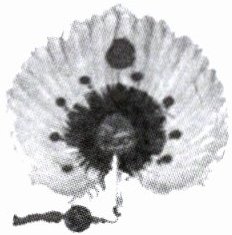
with calligraphy works. Mythical(神话的) creatures were also popular. Dragons were often painted on men's fans while ladies usually preferred phoenixes(凤凰).
(
A. more than 3, 000 years
B. more than 5, 000 years
C. less than 2, 000 years
D. less than 3, 000 years
(
A. Because more people learned to make fans.
B. Because cheaper bamboo fans were made.
C. Because a new type of silk fans was brought in.
D. Because people wanted to cool themselves down in summer.
(
A. cutting out
B. looking like
C. turning into
D. making up
(

A. ①②③
④
⑤
B. ①②
③
④ ⑤
C. ①
②③
④⑤
D. ①②
③④
⑤
① In summer, people use their fans to cool themselves off. But the Chinese fan is not just a tool to help people cool themselves down. It's an important part of Chinese culture.
②Chinese fans have a history of over 3,000 years. One of the earliest known "fans" was named "shanhan"(扇汗). They weren't like the fans we see today. People used them to hide from the sun and protect themselves from the rain on a horse-drawn carriage(马车). The "shanhan" then changed into a long-handled fan called "zhangshan"(障扇). This type of fan was made of silk or bird feathers and was mainly used by the emperor's honour guard(仪仗队) for decoration.
③In the Han Dynasty, more common people started using fans because cheaper bamboo fans had been made. These fans stayed popular until the Tang and Song Dynasties. At the same time, a new type of silk fan was also brought in. Young women loved silk fans because they were round, resembling the moon. They were also called "round fans" or "tuanshan".
④The ribs(扇骨) of these silk round fans were made of bamboo or animal bones. The handles of the fans usually had different designs. The main part of the fan often had calligraphy(书法) works and landscape paintings like mountains or flowers. Folding fans mainly had panels(扇面) and ribs. For the ribs, people used different kinds of materials, including wood, animal bones and bamboo. The panels of the folding fan were usually made of paper, silk or other materials. They left empty spaces for artists to paint. Their calligraphy works and landscape paintings added colour to the fans.
⑤From the Song Dynasty, fan painting became a special kind of art. Fans with pictures of birds and flowers were popular among young women. Men, however, liked fans decorated
with calligraphy works. Mythical(神话的) creatures were also popular. Dragons were often painted on men's fans while ladies usually preferred phoenixes(凤凰).
(
A
)8. Chinese fans have a history of .A. more than 3, 000 years
B. more than 5, 000 years
C. less than 2, 000 years
D. less than 3, 000 years
(
B
)9. Why did fans become popular among common people?A. Because more people learned to make fans.
B. Because cheaper bamboo fans were made.
C. Because a new type of silk fans was brought in.
D. Because people wanted to cool themselves down in summer.
(
B
)10. What does the underlined word "resembling" in the third paragraph mean?A. cutting out
B. looking like
C. turning into
D. making up
(
C
)11. 创新考法—篇章结构题 Which of the following best shows the structure of the passage?A. ①②③
④
⑤
B. ①②
③
④ ⑤
C. ①
②③
④⑤
D. ①②
③④
⑤
答案:8.A 【点拨】根据第二段第一句可知选A。
9.B 【点拨】根据“In the Han Dynasty, more common people started using fans because cheaper bamboo fans had been made.”可知,扇子在普通人中流行是因为人们制造出了更便宜的竹扇。故选B。
10.B 【点拨】根据语境可知,此处指扇子圆得像月亮。故选B。
11.C 【点拨】通读全文可知,第一段总体介绍了扇子的历史;第二、三段介绍了扇子的历史演变;第四、五段介绍了扇面绘画艺术。故选C。
9.B 【点拨】根据“In the Han Dynasty, more common people started using fans because cheaper bamboo fans had been made.”可知,扇子在普通人中流行是因为人们制造出了更便宜的竹扇。故选B。
10.B 【点拨】根据语境可知,此处指扇子圆得像月亮。故选B。
11.C 【点拨】通读全文可知,第一段总体介绍了扇子的历史;第二、三段介绍了扇子的历史演变;第四、五段介绍了扇面绘画艺术。故选C。
解析:
【分析】
本题为关于中国扇子文化的英语阅读理解题,需分题型解题:1. 第8题是细节理解题,需定位原文关于扇子历史的表述;2. 第9题是细节理解题,定位原文中普通人使用扇子的原因;3. 第10题是词义猜测题,结合语境推断划线词含义;4. 第11题是篇章结构题,梳理每段大意划分文章结构。
【解析】
8. 根据文章第二段第一句“Chinese fans have a history of over 3,000 years.”可知,中国扇子有超过3000年的历史,对应选项A。
9. 根据文章第三段第一句“In the Han Dynasty, more common people started using fans because cheaper bamboo fans had been made.”可知,扇子在普通人中流行是因为制造出了更便宜的竹扇,对应选项B。
10. 根据第三段语境“Young women loved silk fans because they were round, resembling the moon.”可知,丝绸扇是圆形的,像月亮,故resembling意为“看起来像”,对应选项B。
11. 通读全文,第一段总体介绍中国扇子的文化地位;第二、三段按时间顺序介绍扇子的历史演变;第四、五段介绍扇子的绘画艺术,因此文章结构为①,②③,④⑤,对应选项C。
【答案】
8.A 9.B 10.B 11.C
【知识点】
英语阅读理解、细节理解、篇章结构
【点评】
本题围绕中国传统文化展开,涵盖细节查找、词义猜测、篇章结构分析三类基础题型,考查学生快速定位原文、结合语境猜词及梳理文章逻辑的能力,是初中英语常见的阅读理解题型。
【难度系数】
0.7
本题为关于中国扇子文化的英语阅读理解题,需分题型解题:1. 第8题是细节理解题,需定位原文关于扇子历史的表述;2. 第9题是细节理解题,定位原文中普通人使用扇子的原因;3. 第10题是词义猜测题,结合语境推断划线词含义;4. 第11题是篇章结构题,梳理每段大意划分文章结构。
【解析】
8. 根据文章第二段第一句“Chinese fans have a history of over 3,000 years.”可知,中国扇子有超过3000年的历史,对应选项A。
9. 根据文章第三段第一句“In the Han Dynasty, more common people started using fans because cheaper bamboo fans had been made.”可知,扇子在普通人中流行是因为制造出了更便宜的竹扇,对应选项B。
10. 根据第三段语境“Young women loved silk fans because they were round, resembling the moon.”可知,丝绸扇是圆形的,像月亮,故resembling意为“看起来像”,对应选项B。
11. 通读全文,第一段总体介绍中国扇子的文化地位;第二、三段按时间顺序介绍扇子的历史演变;第四、五段介绍扇子的绘画艺术,因此文章结构为①,②③,④⑤,对应选项C。
【答案】
8.A 9.B 10.B 11.C
【知识点】
英语阅读理解、细节理解、篇章结构
【点评】
本题围绕中国传统文化展开,涵盖细节查找、词义猜测、篇章结构分析三类基础题型,考查学生快速定位原文、结合语境猜词及梳理文章逻辑的能力,是初中英语常见的阅读理解题型。
【难度系数】
0.7