B
Nowadays, some companies around the world are offering humanoid (human-like) robots. They are being designed to look as human as possible. These products of technology are at the centre of a debate (辩论): should they be made to look like humans or simply like machines?
Robots are playing an increasingly bigger role in our lives. In some countries, robots have been entertaining (使快乐) children and helping the elderly. Some experts say robots will be more effective at such jobs if they look like humans. Research has shown that people feel closer to human-like robots. Also, human-like robots suit environments that are designed for humans. After all, the world is full of stairs, hallways, shelves at shoulder height and sightlines at eye level.
But other experts say robots don’t need to look like humans. Humanoid robots also have disadvantages. If robots look like us, we may expect them to act like us. However, they may make us feel disappointed because they can’t always do that yet. For example, they can’t laugh at the right moments during a conversation. Many people also find human-like robots scary.
I think the human body is not the best design for many of the jobs we want robots to do. Just think of small, flat robot vacuums (真空吸尘器). They can go under a sofa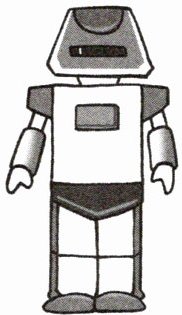
to pick up dust balls. Can human-like robots also do this? Even if robots can be made into human-like ones, why do we limit (限定) them to two legs and two arms? Why not four legs and six arms so they can pick up the elderly or sick people comfortably? And that super-intelligent AI almost certainly wouldn’t pick one body design to carry its mind around in. Why limit computational capacity (算力) to what fits inside a single head?
What is your opinion about robots’ shapes?
(
① People feel closer to humanoid robots.
② Robots are widely used in the industrial field.
③ Humanoid robots can serve people effectively.
④ Humanoid robots can suit human environments.
A. ①②④ B. ①③④ C. ②③④ D. ①②③
(
A. cost a lot
B. can’t cry or laugh
C. can’t have conversations with humans
D. can’t always behave like us as we expect
(
A. Robots can’t be made to look like humans.
B. Humanoid design is still the best choice for robots.
C. The design of a robot’s shape should depend on its use.
D. A robot should be designed with more arms, legs and heads.
(
A. Should robots look like humans?
B. Different robots, different services
C. The development of humanoid robots
D. A debate about improving the services of robots
Nowadays, some companies around the world are offering humanoid (human-like) robots. They are being designed to look as human as possible. These products of technology are at the centre of a debate (辩论): should they be made to look like humans or simply like machines?
Robots are playing an increasingly bigger role in our lives. In some countries, robots have been entertaining (使快乐) children and helping the elderly. Some experts say robots will be more effective at such jobs if they look like humans. Research has shown that people feel closer to human-like robots. Also, human-like robots suit environments that are designed for humans. After all, the world is full of stairs, hallways, shelves at shoulder height and sightlines at eye level.
But other experts say robots don’t need to look like humans. Humanoid robots also have disadvantages. If robots look like us, we may expect them to act like us. However, they may make us feel disappointed because they can’t always do that yet. For example, they can’t laugh at the right moments during a conversation. Many people also find human-like robots scary.
I think the human body is not the best design for many of the jobs we want robots to do. Just think of small, flat robot vacuums (真空吸尘器). They can go under a sofa
to pick up dust balls. Can human-like robots also do this? Even if robots can be made into human-like ones, why do we limit (限定) them to two legs and two arms? Why not four legs and six arms so they can pick up the elderly or sick people comfortably? And that super-intelligent AI almost certainly wouldn’t pick one body design to carry its mind around in. Why limit computational capacity (算力) to what fits inside a single head?
What is your opinion about robots’ shapes?
(
B
) 39. According to paragraph 2, the reasons why robots should be designed to look like humans include .① People feel closer to humanoid robots.
② Robots are widely used in the industrial field.
③ Humanoid robots can serve people effectively.
④ Humanoid robots can suit human environments.
A. ①②④ B. ①③④ C. ②③④ D. ①②③
(
D
) 40. Other experts do not agree that robots should be designed to look like humans because humanoid robots .A. cost a lot
B. can’t cry or laugh
C. can’t have conversations with humans
D. can’t always behave like us as we expect
(
C
) 41. What is the writer’s opinion according to paragraph 4?A. Robots can’t be made to look like humans.
B. Humanoid design is still the best choice for robots.
C. The design of a robot’s shape should depend on its use.
D. A robot should be designed with more arms, legs and heads.
(
A
) 42. What is the best title for this passage?A. Should robots look like humans?
B. Different robots, different services
C. The development of humanoid robots
D. A debate about improving the services of robots
答案:39.B 40.D 41.C 42.A
解析:
【分析】
本题为英语阅读理解题,需根据题目要求定位原文对应段落,提取关键信息,逐一分析选项排除错误答案。39题定位第2段找类人型机器人的设计原因;40题定位第3段找反对类人型设计的原因;41题定位第4段提炼作者观点;42题通读全文归纳文章主旨。
【解析】
39题:第2段提到“人们感觉和类人机器人更亲近”对应①,“类人机器人能更高效完成工作”对应③,“类人机器人适配人类环境”对应④,原文未提及工业领域使用,故②错误,答案选B。
40题:第3段指出“若机器人像人类,我们会期望它们像人类一样行动,但它们目前无法做到,会让我们失望”,对应选项D;A选项成本未提及,B、C是举例而非核心原因,答案选D。
41题:第4段作者通过机器人吸尘器、多臂多腿机器人的例子,说明机器人外形设计应根据用途决定,对应选项C;A、B与作者观点不符,D是举例而非核心观点,答案选C。
42题:全文围绕“机器人是否应设计成类人型”展开讨论,对应选项A;B、C、D均未贴合文章核心话题,答案选A。
【答案】
39.B 40.D 41.C 42.A
【知识点】
英语阅读理解、细节理解题、主旨大意题
【点评】
本文是关于机器人外形设计的议论文,考查学生定位原文信息、理解观点及归纳主旨的能力,题型涵盖细节理解、推理判断和主旨大意,是初中英语常见题型,难度适中。
【难度系数】
0.6
本题为英语阅读理解题,需根据题目要求定位原文对应段落,提取关键信息,逐一分析选项排除错误答案。39题定位第2段找类人型机器人的设计原因;40题定位第3段找反对类人型设计的原因;41题定位第4段提炼作者观点;42题通读全文归纳文章主旨。
【解析】
39题:第2段提到“人们感觉和类人机器人更亲近”对应①,“类人机器人能更高效完成工作”对应③,“类人机器人适配人类环境”对应④,原文未提及工业领域使用,故②错误,答案选B。
40题:第3段指出“若机器人像人类,我们会期望它们像人类一样行动,但它们目前无法做到,会让我们失望”,对应选项D;A选项成本未提及,B、C是举例而非核心原因,答案选D。
41题:第4段作者通过机器人吸尘器、多臂多腿机器人的例子,说明机器人外形设计应根据用途决定,对应选项C;A、B与作者观点不符,D是举例而非核心观点,答案选C。
42题:全文围绕“机器人是否应设计成类人型”展开讨论,对应选项A;B、C、D均未贴合文章核心话题,答案选A。
【答案】
39.B 40.D 41.C 42.A
【知识点】
英语阅读理解、细节理解题、主旨大意题
【点评】
本文是关于机器人外形设计的议论文,考查学生定位原文信息、理解观点及归纳主旨的能力,题型涵盖细节理解、推理判断和主旨大意,是初中英语常见题型,难度适中。
【难度系数】
0.6