(
A.leave;after
B.leaves;in
C.leaves;behind
B
)2.My father often his purse his office.A.leave;after
B.leaves;in
C.leaves;behind
答案:2. B 解析·本句的主语 My father 为第三人称单数,后面的谓语动词要用第三人称单数形式,所以先排除 A 选项;在说明某人或某物被留在或丢在某个具体的地方时,要根据地点选用不同的介词与 leave 进行搭配,表示“把……落在办公室里”用“leave ... in the office”。故选 B。
解析:
【分析】
解题时我们可以分两步走:第一步先判断谓语动词的形式,句中often表示经常性发生的动作,时态为一般现在时,主语My father是第三人称单数,按照主谓一致规则谓语动词要使用第三人称单数形式,直接排除动词为原形的A选项。第二步辨析剩余选项的介词搭配:剩下B、C两个选项,我们需要结合句意和搭配规则判断,要表达“把钱包落在办公室里”,需要用表示“在…内部”的介词in和地点his office搭配,而leave behind是固定短语,意为“落下、遗留”,后面不能直接接具体地点名词,不符合本句结构,由此就能选出正确答案。
【解析】
1. 时态与主谓一致判断:句中频度副词often说明句子描述的是习惯性、经常性的动作,时态为一般现在时;主语My father是第三人称单数,谓语动词leave需要变为第三人称单数形式leaves,因此动词为原形的A选项直接排除。
2. 介词搭配辨析:
B选项中介词in表示“在……里面”,结构leave sth in + 地点意为“把某物忘在/落在某地内部”,代入句中语义为“我爸爸经常把他的钱包落在办公室里”,逻辑和语法都通顺。
C选项中leave和behind构成短语leave sth behind,意为“落下某物、把某物遗落”,该短语后面不能直接接具体地点名词his office,不符合句子语法结构,因此排除C选项。
综上答案选B。
【答案】
B
【知识点】
一般现在时主谓一致,leave的固定搭配,介词辨析
【点评】
本题属于基础综合题,同时考察了一般现在时的谓语变化规则和leave相关的介词搭配,易错点是不少同学会混淆leave behind的用法,误选C,要牢记如果要接具体的地点说明东西落在哪里,要使用“leave sth + 方位介词 + 地点”的结构,不要直接在leave behind后面加地点。
【难度系数】
0.7
解题时我们可以分两步走:第一步先判断谓语动词的形式,句中often表示经常性发生的动作,时态为一般现在时,主语My father是第三人称单数,按照主谓一致规则谓语动词要使用第三人称单数形式,直接排除动词为原形的A选项。第二步辨析剩余选项的介词搭配:剩下B、C两个选项,我们需要结合句意和搭配规则判断,要表达“把钱包落在办公室里”,需要用表示“在…内部”的介词in和地点his office搭配,而leave behind是固定短语,意为“落下、遗留”,后面不能直接接具体地点名词,不符合本句结构,由此就能选出正确答案。
【解析】
1. 时态与主谓一致判断:句中频度副词often说明句子描述的是习惯性、经常性的动作,时态为一般现在时;主语My father是第三人称单数,谓语动词leave需要变为第三人称单数形式leaves,因此动词为原形的A选项直接排除。
2. 介词搭配辨析:
B选项中介词in表示“在……里面”,结构leave sth in + 地点意为“把某物忘在/落在某地内部”,代入句中语义为“我爸爸经常把他的钱包落在办公室里”,逻辑和语法都通顺。
C选项中leave和behind构成短语leave sth behind,意为“落下某物、把某物遗落”,该短语后面不能直接接具体地点名词his office,不符合句子语法结构,因此排除C选项。
综上答案选B。
【答案】
B
【知识点】
一般现在时主谓一致,leave的固定搭配,介词辨析
【点评】
本题属于基础综合题,同时考察了一般现在时的谓语变化规则和leave相关的介词搭配,易错点是不少同学会混淆leave behind的用法,误选C,要牢记如果要接具体的地点说明东西落在哪里,要使用“leave sth + 方位介词 + 地点”的结构,不要直接在leave behind后面加地点。
【难度系数】
0.7
(
—In the morning or at midnight.
A.Why
B.When
C.Who
B
)3.— does the doctor usually come back from work?—In the morning or at midnight.
A.Why
B.When
C.Who
答案:3. B
解析:
【分析】
这道题考查特殊疑问词的辨析,解题时首先观察答句内容:答句给出的是“In the morning or at midnight”,属于描述时间的信息,接下来只需要匹配对应提问时间的疑问词即可,先逐个明确三个选项的提问方向,就能快速选出符合语境的答案。
【解析】
我们逐一分析选项:
1. 选项A:Why意为“为什么”,用于对原因进行提问,对应的回答一般需要用because引出原因解释,和本题给出的答句内容不匹配,排除。
2. 选项B:When意为“什么时候”,专门用于对时间信息进行提问,答句的“在早上或者午夜”都属于时间描述,完全契合问答逻辑,符合要求。
3. 选项C:Who意为“谁”,用于对人物对象进行提问,对应的回答需要给出具体的人物身份,和本题语境不符,排除。
因此正确答案是B。
【答案】
B
【知识点】
特殊疑问词辨析,情景问答
【点评】
本题属于英语基础入门题型,核心解题思路是通过答句的信息属性反推对应的疑问词,不需要复杂的语法变形,只要掌握常见特殊疑问词的基本含义就能轻松做对,适合刚学习特殊疑问句的学生巩固基础知识点。
【难度系数】
0.9
这道题考查特殊疑问词的辨析,解题时首先观察答句内容:答句给出的是“In the morning or at midnight”,属于描述时间的信息,接下来只需要匹配对应提问时间的疑问词即可,先逐个明确三个选项的提问方向,就能快速选出符合语境的答案。
【解析】
我们逐一分析选项:
1. 选项A:Why意为“为什么”,用于对原因进行提问,对应的回答一般需要用because引出原因解释,和本题给出的答句内容不匹配,排除。
2. 选项B:When意为“什么时候”,专门用于对时间信息进行提问,答句的“在早上或者午夜”都属于时间描述,完全契合问答逻辑,符合要求。
3. 选项C:Who意为“谁”,用于对人物对象进行提问,对应的回答需要给出具体的人物身份,和本题语境不符,排除。
因此正确答案是B。
【答案】
B
【知识点】
特殊疑问词辨析,情景问答
【点评】
本题属于英语基础入门题型,核心解题思路是通过答句的信息属性反推对应的疑问词,不需要复杂的语法变形,只要掌握常见特殊疑问词的基本含义就能轻松做对,适合刚学习特殊疑问句的学生巩固基础知识点。
【难度系数】
0.9
(
A.help;making
B.helps;make
C.helping;to make
B
)4.—Who you the album(相册)? —My father and mother.A.help;making
B.helps;make
C.helping;to make
答案:4. B 解析·who 在句子中作主语时被视为第三人称单数,后面的谓语动词要用第三人称单数形式;help sb (to) do sth 意为“帮助某人做某事”。故选 B。
解析:
【分析】
拿到这道题我们可以分两步推导:第一步先判断第一空的谓语动词形式,句子是特殊疑问句,缺少谓语成分,疑问词who在句中作主语时,指代未知的单个对象,按照主谓一致规则默认当作第三人称单数使用,谓语动词需要用三单形式。对比三个选项的第一空:A是动词原形help,不符合三单要求;C是现在分词helping,不能单独作句子谓语,直接排除A、C。第二步验证第二空的搭配,动词help有固定用法help sb (to) do sth,后面接动词原形作补足语,B选项第二空是动词原形make,完全符合搭配规则,就能确定正确答案。
【解析】
1. 判定第一空形式:who在本句中作主语,语法规则将其视为第三人称单数,谓语动词需要使用第三人称单数形式。A选项第一空为动词原形help,C选项第一空为非谓语的现在分词,都不符合句子谓语的构成要求,直接排除A、C。
2. 验证第二空搭配:固定搭配help sb (to) do sth意为“帮助某人做某事”,空格处需要填入动词原形,B选项的make是动词原形,完全符合搭配规则。
综上,正确选项为B。
【答案】B
【知识点】主谓一致;动词固定搭配
【点评】本题是初中英语基础语法题,核心考察who作主语时的主谓一致规则和help的常用固定搭配,属于低难度基础考点,易错点是部分同学会忽略who作主语默认三单的规则误选A,只要牢记相关基础规则就能快速排除错误选项得到正确答案。
【难度系数】0.8
拿到这道题我们可以分两步推导:第一步先判断第一空的谓语动词形式,句子是特殊疑问句,缺少谓语成分,疑问词who在句中作主语时,指代未知的单个对象,按照主谓一致规则默认当作第三人称单数使用,谓语动词需要用三单形式。对比三个选项的第一空:A是动词原形help,不符合三单要求;C是现在分词helping,不能单独作句子谓语,直接排除A、C。第二步验证第二空的搭配,动词help有固定用法help sb (to) do sth,后面接动词原形作补足语,B选项第二空是动词原形make,完全符合搭配规则,就能确定正确答案。
【解析】
1. 判定第一空形式:who在本句中作主语,语法规则将其视为第三人称单数,谓语动词需要使用第三人称单数形式。A选项第一空为动词原形help,C选项第一空为非谓语的现在分词,都不符合句子谓语的构成要求,直接排除A、C。
2. 验证第二空搭配:固定搭配help sb (to) do sth意为“帮助某人做某事”,空格处需要填入动词原形,B选项的make是动词原形,完全符合搭配规则。
综上,正确选项为B。
【答案】B
【知识点】主谓一致;动词固定搭配
【点评】本题是初中英语基础语法题,核心考察who作主语时的主谓一致规则和help的常用固定搭配,属于低难度基础考点,易错点是部分同学会忽略who作主语默认三单的规则误选A,只要牢记相关基础规则就能快速排除错误选项得到正确答案。
【难度系数】0.8
(
—I'm sorry to say that it doesn't you well.
A.make
B.look
C.fit
C
)5.(2025·连云港东海县期中)—Anna,how does this dress look on me?—I'm sorry to say that it doesn't you well.
A.make
B.look
C.fit
答案:5. C
解析:
【分析】
首先通读对话明确场景:对话是试穿衣物时询问穿搭效果的情景,空格需要填入一个符合语境、能接sb作宾语的动词,表达“衣物合某人身”的含义。我们可以采用逐一排除选项的思路:先判断每个选项动词的词义和常用用法,匹配对话要表达的语义,排除语义不符、用法错误的选项,最终锁定正确答案。
【解析】
先翻译对话:
——安娜,这条裙子我穿起来怎么样?
——我很遗憾地说它不太适合你。
接下来辨析三个选项:
选项A:make意为“制作、使得”,没有表达衣物适合某人的语义,完全不符合语境,排除;
选项B:look作动词意为“看起来”,是系动词/不及物动词,无法直接接人作宾语表达“合身”的含义,用法错误,排除;
选项C:fit作动词时专门可以表示“(衣物的尺寸、版型)合身”,固定搭配fit sb well意为“很合某人的身”,完全契合对话场景和语义要求。
【答案】
C
【知识点】
动词词义辨析;固定搭配
【点评】
本题属于情景交际类的基础词义考察题,核心考察穿搭场景下的常用动词用法,易错点是容易误选look,同学们要注意区分fit表衣物合身的专属用法,积累相关固定搭配就能轻松得分。
【难度系数】
0.8
首先通读对话明确场景:对话是试穿衣物时询问穿搭效果的情景,空格需要填入一个符合语境、能接sb作宾语的动词,表达“衣物合某人身”的含义。我们可以采用逐一排除选项的思路:先判断每个选项动词的词义和常用用法,匹配对话要表达的语义,排除语义不符、用法错误的选项,最终锁定正确答案。
【解析】
先翻译对话:
——安娜,这条裙子我穿起来怎么样?
——我很遗憾地说它不太适合你。
接下来辨析三个选项:
选项A:make意为“制作、使得”,没有表达衣物适合某人的语义,完全不符合语境,排除;
选项B:look作动词意为“看起来”,是系动词/不及物动词,无法直接接人作宾语表达“合身”的含义,用法错误,排除;
选项C:fit作动词时专门可以表示“(衣物的尺寸、版型)合身”,固定搭配fit sb well意为“很合某人的身”,完全契合对话场景和语义要求。
【答案】
C
【知识点】
动词词义辨析;固定搭配
【点评】
本题属于情景交际类的基础词义考察题,核心考察穿搭场景下的常用动词用法,易错点是容易误选look,同学们要注意区分fit表衣物合身的专属用法,积累相关固定搭配就能轻松得分。
【难度系数】
0.8
(
A.some;and
B.any;and
C.any;or
C
)6.I'm the only child in my family. I don't have brothers sisters.A.some;and
B.any;and
C.any;or
答案:6. C
解析:
【分析】
首先先理解题干句意:我是家里的独生子,我没有兄弟也没有姐妹。第一步先判断句子是带don't的否定句,先区分第一空的some和any的使用场景:some通常用于肯定句,any多用于否定句、疑问句,否定句里修饰可数名词复数要使用any,直接排除第一空是some的A选项。接下来辨析剩余选项里第二空的and和or的用法:and用于肯定句中连接并列成分表“和”,但在否定句里要表达“既没有…也没有…”的并列含义,需要用or连接并列成分,不能用and,因此排除B选项,就能选出正确答案。
【解析】
步骤1:判断第一空。题干是包含否定助动词don't的否定句,some一般用于肯定句中表示“一些”,any常用于否定句和疑问句中对应“一些”的含义,因此第一空应填any,直接排除第一空为some的A选项。
步骤2:判断第二空。并列连词and多用于肯定句中连接并列名词,在否定句中要表达并列的“既没有…也没有…”的含义,需要用or来连接brothers和sisters两个并列成分,因此第二空填or,排除B选项。
综上,正确选项为C。
【答案】C
【知识点】
1. some与any辨析
2. 并列连词or的用法
【点评】
本题是初中英语基础语法题,考察否定语境下的限定词和并列连词的常用规则,易错点是很多学生受中文表达习惯影响,容易在否定句里误用and连接并列成分,需要特别牢记否定句中并列列举时用or替代and的规则。
【难度系数】
0.8
首先先理解题干句意:我是家里的独生子,我没有兄弟也没有姐妹。第一步先判断句子是带don't的否定句,先区分第一空的some和any的使用场景:some通常用于肯定句,any多用于否定句、疑问句,否定句里修饰可数名词复数要使用any,直接排除第一空是some的A选项。接下来辨析剩余选项里第二空的and和or的用法:and用于肯定句中连接并列成分表“和”,但在否定句里要表达“既没有…也没有…”的并列含义,需要用or连接并列成分,不能用and,因此排除B选项,就能选出正确答案。
【解析】
步骤1:判断第一空。题干是包含否定助动词don't的否定句,some一般用于肯定句中表示“一些”,any常用于否定句和疑问句中对应“一些”的含义,因此第一空应填any,直接排除第一空为some的A选项。
步骤2:判断第二空。并列连词and多用于肯定句中连接并列名词,在否定句中要表达并列的“既没有…也没有…”的含义,需要用or来连接brothers和sisters两个并列成分,因此第二空填or,排除B选项。
综上,正确选项为C。
【答案】C
【知识点】
1. some与any辨析
2. 并列连词or的用法
【点评】
本题是初中英语基础语法题,考察否定语境下的限定词和并列连词的常用规则,易错点是很多学生受中文表达习惯影响,容易在否定句里误用and连接并列成分,需要特别牢记否定句中并列列举时用or替代and的规则。
【难度系数】
0.8
(
A.happy to
B.sorry for
C.careful of
A
)7.(南通海安市期末)The boy loses his way. My sister is help him.A.happy to
B.sorry for
C.careful of
答案:7. A 解析·“be+形容词+to do sth”是固定搭配,意为“很……做某事”。故选 A。
解析:
【分析】
首先通读题干理清场景:前半句给出背景是小男孩迷路了,后半句需要选符合逻辑、搭配正确的短语完成句子。解题时可以先从搭配规则入手,空格后是动词原形help,先排除不能接动词原形的选项,再结合场景语义验证剩余选项:B选项be sorry for、C选项be careful of里的for和of都是介词,后面不能直接接动词原形,语义也和“帮助迷路男孩”的场景不匹配;A选项be happy to do是固定结构,表乐意做某事,搭配和语义都完全符合要求,就能确定答案。
【解析】
1. 翻译题干:这个男孩迷路了,我的姐姐/妹妹很________帮助他。
2. 逐个辨析选项:
选项A:be happy to do sth是固定搭配,意为“很高兴/乐意做某事”,后接动词原形help,结构正确,语义符合迷路场景下主动伸出援手的逻辑。
选项B:be sorry for意为“为……感到抱歉”,for是介词,后面只能接名词、代词或动名词,不能直接接动词原形help,语义也不符合语境,直接排除。
选项C:be careful of意为“小心、留意……”,of是介词,后面不能接动词原形,语义和“帮助迷路男孩”的场景完全不符,排除。
综上只有A选项符合要求。
【答案】A
【知识点】
形容词固定搭配
语境词义辨析
【点评】
本题是基础的短语辨析题,核心考察学生对常见“be+形容词+不定式/介词”结构的掌握,解题时可以先通过搭配规则快速筛除结构错误的选项,再结合场景验证就能轻松得出答案,提醒学生积累短语时要注意区分介词后接的成分,不要混淆不同结构的用法。
【难度系数】0.8
首先通读题干理清场景:前半句给出背景是小男孩迷路了,后半句需要选符合逻辑、搭配正确的短语完成句子。解题时可以先从搭配规则入手,空格后是动词原形help,先排除不能接动词原形的选项,再结合场景语义验证剩余选项:B选项be sorry for、C选项be careful of里的for和of都是介词,后面不能直接接动词原形,语义也和“帮助迷路男孩”的场景不匹配;A选项be happy to do是固定结构,表乐意做某事,搭配和语义都完全符合要求,就能确定答案。
【解析】
1. 翻译题干:这个男孩迷路了,我的姐姐/妹妹很________帮助他。
2. 逐个辨析选项:
选项A:be happy to do sth是固定搭配,意为“很高兴/乐意做某事”,后接动词原形help,结构正确,语义符合迷路场景下主动伸出援手的逻辑。
选项B:be sorry for意为“为……感到抱歉”,for是介词,后面只能接名词、代词或动名词,不能直接接动词原形help,语义也不符合语境,直接排除。
选项C:be careful of意为“小心、留意……”,of是介词,后面不能接动词原形,语义和“帮助迷路男孩”的场景完全不符,排除。
综上只有A选项符合要求。
【答案】A
【知识点】
形容词固定搭配
语境词义辨析
【点评】
本题是基础的短语辨析题,核心考察学生对常见“be+形容词+不定式/介词”结构的掌握,解题时可以先通过搭配规则快速筛除结构错误的选项,再结合场景验证就能轻松得出答案,提醒学生积累短语时要注意区分介词后接的成分,不要混淆不同结构的用法。
【难度系数】0.8
(
—Yes. It Chinese cultural elements(文化元素) the world.
A.shows;to
B.reads;to
C.gives;for
A
)8.亮点原创 —The movie Ne Zha 2 is a big success.—Yes. It Chinese cultural elements(文化元素) the world.
A.shows;to
B.reads;to
C.gives;for
答案:8. A 解析·此处表示“向全世界展示了中国文化元素”。固定搭配 show ... to ... 意为“向……展示……”。故选 A。
解析:
【分析】
第一步先通读对话,理清整体语境:对话围绕热门电影《哪吒2》大获成功展开,空缺处需要表达“向世界传递、展现中国文化元素”的合理含义。第二步我们可以结合选项的动词短语固定搭配逐一排查:先排除搭配本身不符合常用规则的选项,再结合语义排除和场景逻辑不符的选项,就能快速锁定正确答案。首先C选项不存在题目所需语义的give ... for ... 用法,表达“把某物给某人”的正确搭配是give sth to sb,可直接排除;再看B选项,read ... to ... 含义是“给某人朗读某物”,电影不可能执行“朗读文化元素”的动作,语义完全不符合场景,排除B;最后验证A选项的show ... to ... 表示“向……展示……”,完全契合语境,就能选出正确答案。
【解析】
1. 先明确对话核心语义:第一句说明“电影《哪吒2》取得了巨大成功”,第二句回应要表达的含义是“它向全世界展示了中国文化元素”。
2. 逐一辨析选项:
选项A:固定搭配show sth. to sb. 意为“向某人展示某物”,搭配和语义都完全符合语境要求。
选项B:固定搭配read sth. to sb. 意为“给某人朗读某物”,不符合电影传递文化元素的动作逻辑,排除。
选项C:没有符合题目语义的give ... for ... 搭配,表达“把某物给某人”的正确搭配是give sth. to sb,搭配错误,排除。
综上,正确答案选A。
【答案】
A
【知识点】
动词固定搭配,词义辨析
【点评】
本题属于基础短语辨析题,核心考察常见动词的固定搭配用法,学生只要平时积累了show、read、give的常用搭配含义,结合对话语境就可以轻松排除错误选项,提醒大家记忆动词搭配时要同步记准对应的介词,不要混淆相似结构的短语。
【难度系数】
0.9
第一步先通读对话,理清整体语境:对话围绕热门电影《哪吒2》大获成功展开,空缺处需要表达“向世界传递、展现中国文化元素”的合理含义。第二步我们可以结合选项的动词短语固定搭配逐一排查:先排除搭配本身不符合常用规则的选项,再结合语义排除和场景逻辑不符的选项,就能快速锁定正确答案。首先C选项不存在题目所需语义的give ... for ... 用法,表达“把某物给某人”的正确搭配是give sth to sb,可直接排除;再看B选项,read ... to ... 含义是“给某人朗读某物”,电影不可能执行“朗读文化元素”的动作,语义完全不符合场景,排除B;最后验证A选项的show ... to ... 表示“向……展示……”,完全契合语境,就能选出正确答案。
【解析】
1. 先明确对话核心语义:第一句说明“电影《哪吒2》取得了巨大成功”,第二句回应要表达的含义是“它向全世界展示了中国文化元素”。
2. 逐一辨析选项:
选项A:固定搭配show sth. to sb. 意为“向某人展示某物”,搭配和语义都完全符合语境要求。
选项B:固定搭配read sth. to sb. 意为“给某人朗读某物”,不符合电影传递文化元素的动作逻辑,排除。
选项C:没有符合题目语义的give ... for ... 搭配,表达“把某物给某人”的正确搭配是give sth. to sb,搭配错误,排除。
综上,正确答案选A。
【答案】
A
【知识点】
动词固定搭配,词义辨析
【点评】
本题属于基础短语辨析题,核心考察常见动词的固定搭配用法,学生只要平时积累了show、read、give的常用搭配含义,结合对话语境就可以轻松排除错误选项,提醒大家记忆动词搭配时要同步记准对应的介词,不要混淆相似结构的短语。
【难度系数】
0.9
(
A.Better late than never.
B.The late bird catches no worms.
C.Never too old to learn.
C
)9.亮点原创 中国人工智能领域的奠基人之一张钹院士在 75 岁时仍在做数学题,80 岁时还要求自己每年发表独立研究的论文,这真是“”。A.Better late than never.
B.The late bird catches no worms.
C.Never too old to learn.
答案:9. C
解析:
【分析】
解题时首先要先通读题干,提炼核心表意:题干描述的是张钹院士在75岁、80岁的高龄阶段,仍然坚持做数学题、开展独立研究发表论文,核心突出高龄仍坚持学习进取的终身学习特质。接下来逐一翻译辨析三个选项的谚语含义,先排除表意完全相悖的选项,再排除语境不匹配的选项,最终选出和题干事迹契合的答案即可。
【解析】
第一步:明确题干核心语境,题干展现的是年事已高的科研工作者始终坚持学习、深耕科研的行为,对应终身学习的精神内核。
第二步:逐一辨析选项含义:
A选项"Better late than never."意为“亡羊补牢,为时未晚”,侧重表达“晚做总比不做好”,描述的是拖延后补做某事的合理性,不符合题干高龄仍坚持学习的语境。
B选项"The late bird catches no worms."意为“行动晚的鸟抓不到虫子”,倡导人要趁早行动,和题干表意完全相反。
C选项"Never too old to learn."意为“活到老,学到老”,精准匹配题干中高龄仍坚持钻研学习的事迹描述。
综上答案选C。
【答案】
C
【知识点】
英语谚语辨析,情景交际
【点评】
本题结合我国科研前辈的正面事迹设题,既考查学生对常见英语谚语含义的掌握程度,也渗透了终身学习的正向价值观引导,区分度较低,只要准确掌握三个谚语的表意就可以轻松选出正确答案。
【难度系数】
0.8
解题时首先要先通读题干,提炼核心表意:题干描述的是张钹院士在75岁、80岁的高龄阶段,仍然坚持做数学题、开展独立研究发表论文,核心突出高龄仍坚持学习进取的终身学习特质。接下来逐一翻译辨析三个选项的谚语含义,先排除表意完全相悖的选项,再排除语境不匹配的选项,最终选出和题干事迹契合的答案即可。
【解析】
第一步:明确题干核心语境,题干展现的是年事已高的科研工作者始终坚持学习、深耕科研的行为,对应终身学习的精神内核。
第二步:逐一辨析选项含义:
A选项"Better late than never."意为“亡羊补牢,为时未晚”,侧重表达“晚做总比不做好”,描述的是拖延后补做某事的合理性,不符合题干高龄仍坚持学习的语境。
B选项"The late bird catches no worms."意为“行动晚的鸟抓不到虫子”,倡导人要趁早行动,和题干表意完全相反。
C选项"Never too old to learn."意为“活到老,学到老”,精准匹配题干中高龄仍坚持钻研学习的事迹描述。
综上答案选C。
【答案】
C
【知识点】
英语谚语辨析,情景交际
【点评】
本题结合我国科研前辈的正面事迹设题,既考查学生对常见英语谚语含义的掌握程度,也渗透了终身学习的正向价值观引导,区分度较低,只要准确掌握三个谚语的表意就可以轻松选出正确答案。
【难度系数】
0.8
(
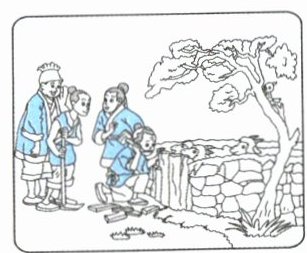
A.Mending(修补) the fold after the sheep have been stolen.
B.A loss(损失) may turn out to be a gain(利益).
C.Waiting for a rabbit to hit the tree stump.
A
)10.Which is the best description(描述) of the story in the picture?A.Mending(修补) the fold after the sheep have been stolen.
B.A loss(损失) may turn out to be a gain(利益).
C.Waiting for a rabbit to hit the tree stump.
答案:10. A 解析·图片描述的是《亡羊补牢》的故事,A 项“Mending the fold after the sheep have been stolen.”符合故事情节。B 项描述的是《塞翁失马》的故事,C 项描述的是《守株待兔》的故事。故选 A。
解析:
【分析】
这道题需要结合图片场景、英文语义和传统寓言常识来解题,思考步骤如下:1. 先观察图片核心内容:图里有带缺口的羊圈,圈内有羊,人物正在动手修补破损的羊圈,是典型的亡羊补牢的故事画面。2. 逐一翻译三个选项,对应各自对应的中国古代寓言故事,将每个寓言的核心情节和图片内容比对,排除和画面不匹配的选项,就能得到正确答案。
【解析】
解:
1. 先确认图片核心情节:画面呈现人物在羊圈破损、丢失羊之后,动手修补羊圈的场景,对应寓言《亡羊补牢》。
2. 逐一比对选项:
选项A:含义为“羊被偷走之后修补羊圈”,完全对应《亡羊补牢》的故事情节,和图片内容匹配。
选项B:含义为“损失最终可能转化为收益”,对应的是寓言《塞翁失马》,故事围绕塞翁家马匹的得失展开,不存在补羊圈的相关情节,和图片不符。
选项C:含义为“等待兔子撞到树桩上”,对应的是寓言《守株待兔》,核心情节是农夫守在树旁等待兔子撞死,和图片内容不符。
综上,正确答案为A。
【答案】A
【知识点】
寓言故事辨析,英文语义理解
【点评】
本题将英语语言考察和中国传统寓言文化结合,既检验学生对英文句子含义的理解能力,也考察学生对中小学常见经典寓言故事的认知,区分三个不同寓言的核心情节即可轻松选出答案,题型趣味性较强。
【难度系数】
0.8
这道题需要结合图片场景、英文语义和传统寓言常识来解题,思考步骤如下:1. 先观察图片核心内容:图里有带缺口的羊圈,圈内有羊,人物正在动手修补破损的羊圈,是典型的亡羊补牢的故事画面。2. 逐一翻译三个选项,对应各自对应的中国古代寓言故事,将每个寓言的核心情节和图片内容比对,排除和画面不匹配的选项,就能得到正确答案。
【解析】
解:
1. 先确认图片核心情节:画面呈现人物在羊圈破损、丢失羊之后,动手修补羊圈的场景,对应寓言《亡羊补牢》。
2. 逐一比对选项:
选项A:含义为“羊被偷走之后修补羊圈”,完全对应《亡羊补牢》的故事情节,和图片内容匹配。
选项B:含义为“损失最终可能转化为收益”,对应的是寓言《塞翁失马》,故事围绕塞翁家马匹的得失展开,不存在补羊圈的相关情节,和图片不符。
选项C:含义为“等待兔子撞到树桩上”,对应的是寓言《守株待兔》,核心情节是农夫守在树旁等待兔子撞死,和图片内容不符。
综上,正确答案为A。
【答案】A
【知识点】
寓言故事辨析,英文语义理解
【点评】
本题将英语语言考察和中国传统寓言文化结合,既检验学生对英文句子含义的理解能力,也考察学生对中小学常见经典寓言故事的认知,区分三个不同寓言的核心情节即可轻松选出答案,题型趣味性较强。
【难度系数】
0.8
九、按要求完成下列各题。(5 分,第 1~4 小题每空 0.5 分,第 5 小题 1 分)
1. We can't eat too much fast food because it's bad for us. (对画线部分提问)
2. They have some snacks in their bags. (改为一般疑问句)
3. Yang Ling is good at playing the piano. (改为同义句)
Yang Ling
4. My parents chat in the bedroom. (对画线部分提问)
5. What's under the tree? (根据图片提示,回答问题)
1. We can't eat too much fast food because it's bad for us. (对画线部分提问)
Why
can't
you eat too much fast food?2. They have some snacks in their bags. (改为一般疑问句)
Do
they have any
snacks in their bags?3. Yang Ling is good at playing the piano. (改为同义句)
Yang Ling
can
play the piano well
.4. My parents chat in the bedroom. (对画线部分提问)
Where
do
your parents chat?5.
What's under the tree? (根据图片提示,回答问题)There are some/many/a lot of/lots of mushrooms under the tree.
答案:1. Why can't 2. Do, any 3. can, well 4. Where do 5. There are some/many/a lot of/lots of mushrooms under the tree.
解析:
【分析】
我们逐题梳理解题思路:
1. 第一题画线部分是说明不能多吃快餐的原因,对原因提问要使用特殊疑问词Why,原句含有情态动词can't,变疑问句时直接将can't提前到主语you之前即可,不需要额外加助动词。
2. 第二题原句是一般现在时、谓语为实义动词have的肯定句,改为一般疑问句时,主语是复数they,要在句首加助动词Do;同时肯定句中的some在疑问句中要改为any,符合疑问句的用词规则。
3. 第三题原句短语be good at doing sth含义是“擅长做某事”,等同于“能把某事做得很好”,第一空填情态动词can表示“能够”,第二空用副词well修饰动词play,表达“好”的含义,替换原句的be good at结构。
4. 第四题画线部分是动作发生的地点,对地点提问要用特殊疑问词Where,原句是一般现在时,主语my parents是复数,谓语是实义动词chat,要借助助动词do放在主语前构成疑问句语序。
5. 第五题观察图片,树下有很多蘑菇,用there be句型来回答“某地有某物”,蘑菇是可数名词复数,be动词用are,描述对应数量即可。
【解析】
1. 对原因状语提问用特殊疑问词Why,保留原句的情态动词can't,调整语序后得到Why can't。
2. 一般现在时实义动词的一般疑问句,主语为复数,句首加助动词Do,肯定句中的some在疑问句中需变为any,即填入Do; any。
3. 短语be good at doing sth等价于can do sth well,对应填入can和well。
4. 对地点状语提问用特殊疑问词Where,主语为复数,借助助动词do构成疑问句,得到Where do。
5. 图片中树下有大量蘑菇,用there be句型表述复数事物,符合题意的回答为There are some/many/a lot of/lots of mushrooms under the tree.
【答案】
1. Why can't
2. Do; any
3. can; well
4. Where do
5. There are some/many/a lot of/lots of mushrooms under the tree.
【知识点】
句型转换,特殊疑问句,there be句型
【点评】
本题是小学英语核心的基础句型转换题型,覆盖了对原因、地点提问的特殊疑问句改写,一般疑问句改写,同义句转换以及情景图文问答,都是课标要求掌握的基础知识点,整体侧重考察学生对基础句型变换规则的熟悉程度。
【难度系数】
0.85
我们逐题梳理解题思路:
1. 第一题画线部分是说明不能多吃快餐的原因,对原因提问要使用特殊疑问词Why,原句含有情态动词can't,变疑问句时直接将can't提前到主语you之前即可,不需要额外加助动词。
2. 第二题原句是一般现在时、谓语为实义动词have的肯定句,改为一般疑问句时,主语是复数they,要在句首加助动词Do;同时肯定句中的some在疑问句中要改为any,符合疑问句的用词规则。
3. 第三题原句短语be good at doing sth含义是“擅长做某事”,等同于“能把某事做得很好”,第一空填情态动词can表示“能够”,第二空用副词well修饰动词play,表达“好”的含义,替换原句的be good at结构。
4. 第四题画线部分是动作发生的地点,对地点提问要用特殊疑问词Where,原句是一般现在时,主语my parents是复数,谓语是实义动词chat,要借助助动词do放在主语前构成疑问句语序。
5. 第五题观察图片,树下有很多蘑菇,用there be句型来回答“某地有某物”,蘑菇是可数名词复数,be动词用are,描述对应数量即可。
【解析】
1. 对原因状语提问用特殊疑问词Why,保留原句的情态动词can't,调整语序后得到Why can't。
2. 一般现在时实义动词的一般疑问句,主语为复数,句首加助动词Do,肯定句中的some在疑问句中需变为any,即填入Do; any。
3. 短语be good at doing sth等价于can do sth well,对应填入can和well。
4. 对地点状语提问用特殊疑问词Where,主语为复数,借助助动词do构成疑问句,得到Where do。
5. 图片中树下有大量蘑菇,用there be句型表述复数事物,符合题意的回答为There are some/many/a lot of/lots of mushrooms under the tree.
【答案】
1. Why can't
2. Do; any
3. can; well
4. Where do
5. There are some/many/a lot of/lots of mushrooms under the tree.
【知识点】
句型转换,特殊疑问句,there be句型
【点评】
本题是小学英语核心的基础句型转换题型,覆盖了对原因、地点提问的特殊疑问句改写,一般疑问句改写,同义句转换以及情景图文问答,都是课标要求掌握的基础知识点,整体侧重考察学生对基础句型变换规则的熟悉程度。
【难度系数】
0.85