六、传统文化 任务型阅读。
阅读短文,回答下列问题。
Huabobo is a kind of traditional food in Shandong. It has a history of more than 300 years. People in Shandong like it very much.
They usually eat it on special days, such as festivals, weddings and birthdays. So there are many factories for making Huabobo in Shandong.
Yu Lili, from Weihai, Shandong, likes Huabobo very much. When she was a child, her grandmother taught her how to make Huabobo. So she is good at making it. She has a factory in her village.
There are about 80 workers in her factory. They can make over 500 kinds of Huabobo. Yu and her workers spend a lot of time on it, but she is happy because a lot of young people show love to her Huabobo.
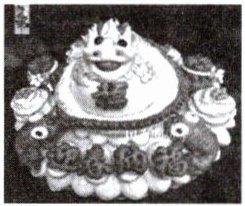
Huabobo is a kind of food and it is also an art. Huabobo comes in different colours and shapes, like animals, flowers and fruit. It looks good and it’s delicious.
For people in Shandong, Huabobo is a symbol of the Chinese New Year. It shows good luck and people’s wishes for a good life. That’s why it becomes popular with more and more people in Shandong.
注:每题答案不超过 6 个词。
1. When do people in Shandong usually eat Huabobo?
2. How many workers are there in Yu Lili’s factory?
3. Who taught Yu Lili to make Huabobo?
4. What is Huabobo?
5. For people in Shandong, what is Huabobo a symbol of?
阅读短文,回答下列问题。
Huabobo is a kind of traditional food in Shandong. It has a history of more than 300 years. People in Shandong like it very much.
They usually eat it on special days, such as festivals, weddings and birthdays. So there are many factories for making Huabobo in Shandong.
Yu Lili, from Weihai, Shandong, likes Huabobo very much. When she was a child, her grandmother taught her how to make Huabobo. So she is good at making it. She has a factory in her village.
There are about 80 workers in her factory. They can make over 500 kinds of Huabobo. Yu and her workers spend a lot of time on it, but she is happy because a lot of young people show love to her Huabobo.
Huabobo is a kind of food and it is also an art. Huabobo comes in different colours and shapes, like animals, flowers and fruit. It looks good and it’s delicious.
For people in Shandong, Huabobo is a symbol of the Chinese New Year. It shows good luck and people’s wishes for a good life. That’s why it becomes popular with more and more people in Shandong.
注:每题答案不超过 6 个词。
1. When do people in Shandong usually eat Huabobo?
On special days.
2. How many workers are there in Yu Lili’s factory?
About 80.
3. Who taught Yu Lili to make Huabobo?
Her grandmother.
4. What is Huabobo?
A kind of food.
5. For people in Shandong, what is Huabobo a symbol of?
The Chinese New Year.
答案:1. On special days. 2. About 80. 3. Her grandmother. 4. A kind of food. 5. The Chinese New Year.
解析:
【分析】
这是一道结合传统文化主题的任务型阅读细节题,解题思路非常清晰:首先先明确每道题的疑问核心,分别对应时间、数量、人物、事物属性、象征含义,之后带着问题回到原文逐段定位对应的语句,筛选出符合题干要求(答案不超过6个词)的关键信息,直接提取精简内容即可,不需要额外拓展表述,就能得到正确答案。
【解析】
1. 定位原文第二段第一句"They usually eat it on special days, such as festivals, weddings and birthdays",提取核心时间信息,得到对应答案。
2. 定位原文第四段第一句"There are about 80 workers in her factory",提取对应的人数信息,得到对应答案。
3. 定位原文第三段第二句"When she was a child, her grandmother taught her how to make Huabobo",提取对应的施教人物信息,得到对应答案。
4. 定位原文第一段首句"Huabobo is a kind of traditional food in Shandong",精简得到符合字数要求的事物属性答案。
5. 定位原文最后一段首句"For people in Shandong, Huabobo is a symbol of the Chinese New Year",提取对应的象征对象信息,得到对应答案。
【答案】
1. On special days.
2. About 80.
3. Her grandmother.
4. A kind of food.
5. The Chinese New Year.
【知识点】
阅读细节定位,传统饮食文化
【点评】
本题以山东传统美食花饽饽为载体,考察学生快速在阅读文本中定位关键细节的能力,题干明确要求答案不超过6词,降低了作答门槛,同时也能让学生了解中国地方传统民俗文化,兼具知识性和趣味性。
【难度系数】
0.9
这是一道结合传统文化主题的任务型阅读细节题,解题思路非常清晰:首先先明确每道题的疑问核心,分别对应时间、数量、人物、事物属性、象征含义,之后带着问题回到原文逐段定位对应的语句,筛选出符合题干要求(答案不超过6个词)的关键信息,直接提取精简内容即可,不需要额外拓展表述,就能得到正确答案。
【解析】
1. 定位原文第二段第一句"They usually eat it on special days, such as festivals, weddings and birthdays",提取核心时间信息,得到对应答案。
2. 定位原文第四段第一句"There are about 80 workers in her factory",提取对应的人数信息,得到对应答案。
3. 定位原文第三段第二句"When she was a child, her grandmother taught her how to make Huabobo",提取对应的施教人物信息,得到对应答案。
4. 定位原文第一段首句"Huabobo is a kind of traditional food in Shandong",精简得到符合字数要求的事物属性答案。
5. 定位原文最后一段首句"For people in Shandong, Huabobo is a symbol of the Chinese New Year",提取对应的象征对象信息,得到对应答案。
【答案】
1. On special days.
2. About 80.
3. Her grandmother.
4. A kind of food.
5. The Chinese New Year.
【知识点】
阅读细节定位,传统饮食文化
【点评】
本题以山东传统美食花饽饽为载体,考察学生快速在阅读文本中定位关键细节的能力,题干明确要求答案不超过6词,降低了作答门槛,同时也能让学生了解中国地方传统民俗文化,兼具知识性和趣味性。
【难度系数】
0.9