四、连词成句。
1. thank, humans, a lot, to, animals, for, have (.)
2. only, seven, their, neck, bones, in, long, giraffes, have (.)
3. humans, relationship, have, animals, a, special, and (.)
4. should, people, learn from, I, animals, think (.)
5. respect, all, and, for, living things, we, should, care (.)
1. thank, humans, a lot, to, animals, for, have (.)
Humans have a lot to thank animals for.
2. only, seven, their, neck, bones, in, long, giraffes, have (.)
Giraffes have only seven bones in their long neck.
3. humans, relationship, have, animals, a, special, and (.)
Animals and humans have a special relationship. / Humans and animals have a special relationship.
4. should, people, learn from, I, animals, think (.)
I think people should learn from animals.
5. respect, all, and, for, living things, we, should, care (.)
We should respect and care for all living things. / We should care for and respect all living things.
答案:四、1. Humans have a lot to thank animals for.
2. Giraffes have only seven bones in their long neck.
3. Animals and humans have a special relationship. / Humans and animals have a special relationship.
4. I think people should learn from animals.
5. We should respect and care for all living things. / We should care for and respect all living things.
2. Giraffes have only seven bones in their long neck.
3. Animals and humans have a special relationship. / Humans and animals have a special relationship.
4. I think people should learn from animals.
5. We should respect and care for all living things. / We should care for and respect all living things.
解析:
【分析】
做这类连词成句题的思路非常清晰:第一步先通读所有给出的单词,先定位句子的核心主语(通常是表示人/物的名词、代词),第二步找到对应的谓语动词,第三步回忆学过的固定短语搭配,把零散的词先拼成固定搭配块,第四步按照陈述句“主语+谓语+宾语/状语”的语序把所有模块组合起来,第五步检查:确认所有单词都没有遗漏、句首单词首字母大写、末尾标点符合要求,语义通顺符合逻辑即可。遇到并列主语、并列谓语的情况,两个并列成分顺序互换语义也成立的话,两种答案都符合要求。
【解析】
我们逐题推导组合:
1. 先找到主语Humans,谓语动词have,再拼出固定搭配thank...for,组合成a lot to thank animals for的结构,最终得到通顺的句子。
2. 定位主语Giraffes,谓语have,only修饰数量seven,核心宾语是seven bones,最后拼接地点状语in their long neck,得到完整句子。
3. 两个表主体的名词humans和animals可以并列作主语,顺序可以互换,谓语是have,搭配固定短语a special relationship,两种语序都符合语法规则。
4. 这是带宾语从句的复合句,主句主语I,谓语动词think,后面接完整的从句:主语people+情态动词should+动词短语learn from animals,组合后得到正确句子。
5. 主语是代词We,情态动词should后接两个并列的动作respect和care for,两个动作顺序可以互换,宾语是all living things,两种表达都符合语义逻辑。
【答案】
1. Humans have a lot to thank animals for.
2. Giraffes have only seven bones in their long neck.
3. Animals and humans have a special relationship. / Humans and animals have a special relationship.
4. I think people should learn from animals.
5. We should respect and care for all living things. / We should care for and respect all living things.
【知识点】
陈述句语序、连词成句、固定短语搭配
【点评】
本题围绕人与动物的主题考察基础英语语句构建能力,覆盖了简单句、并列结构、基础宾语从句的常见考点,难度不高但需要学生细心排查每个单词的位置,注意不要漏词、错序,遇到可互换的并列成分时要判断两种表达是否都符合语法逻辑。
【难度系数】
0.7
做这类连词成句题的思路非常清晰:第一步先通读所有给出的单词,先定位句子的核心主语(通常是表示人/物的名词、代词),第二步找到对应的谓语动词,第三步回忆学过的固定短语搭配,把零散的词先拼成固定搭配块,第四步按照陈述句“主语+谓语+宾语/状语”的语序把所有模块组合起来,第五步检查:确认所有单词都没有遗漏、句首单词首字母大写、末尾标点符合要求,语义通顺符合逻辑即可。遇到并列主语、并列谓语的情况,两个并列成分顺序互换语义也成立的话,两种答案都符合要求。
【解析】
我们逐题推导组合:
1. 先找到主语Humans,谓语动词have,再拼出固定搭配thank...for,组合成a lot to thank animals for的结构,最终得到通顺的句子。
2. 定位主语Giraffes,谓语have,only修饰数量seven,核心宾语是seven bones,最后拼接地点状语in their long neck,得到完整句子。
3. 两个表主体的名词humans和animals可以并列作主语,顺序可以互换,谓语是have,搭配固定短语a special relationship,两种语序都符合语法规则。
4. 这是带宾语从句的复合句,主句主语I,谓语动词think,后面接完整的从句:主语people+情态动词should+动词短语learn from animals,组合后得到正确句子。
5. 主语是代词We,情态动词should后接两个并列的动作respect和care for,两个动作顺序可以互换,宾语是all living things,两种表达都符合语义逻辑。
【答案】
1. Humans have a lot to thank animals for.
2. Giraffes have only seven bones in their long neck.
3. Animals and humans have a special relationship. / Humans and animals have a special relationship.
4. I think people should learn from animals.
5. We should respect and care for all living things. / We should care for and respect all living things.
【知识点】
陈述句语序、连词成句、固定短语搭配
【点评】
本题围绕人与动物的主题考察基础英语语句构建能力,覆盖了简单句、并列结构、基础宾语从句的常见考点,难度不高但需要学生细心排查每个单词的位置,注意不要漏词、错序,遇到可互换的并列成分时要判断两种表达是否都符合语法逻辑。
【难度系数】
0.7
五、阅读短文,在文中空白处填入1个适当的单词,或用括号内所给单词的正确形式填空。
(2025·江苏宿迁泗阳期末)
I have a pet duck 1 (name) Sally. I always wanted a duck, so my parents 2 (buy) me a baby duck. I was excited when I saw Sally for the 3 (one) time!
Sally is so cute! She has beautiful white feathers and looks like a snowball. Sally is also very clever. She loves to talk to me! She is 4 (friend) too. Sally always follows me wherever I go. She loves to play! She likes to swim in the water and run 5 balls.
I love Sally, but 6 (look) after a duck isn't easy. She is loud! She quacks a lot, and sometimes our neighbours don't like 7 noise. She can be messy(脏的;不整洁的) too. When Sally gets in the water, she plays too excitedly 8 the water gets everywhere! Also, ducks make a lot of rubbish every day. It takes me a lot of time to clean up 9 (Sally) rubbish.
I think having a pet is great, but you should think carefully before you decide 10 (keep) a pet duck.
1.
2.
3.
4.
5.
6.
7.
8.
9.
10.
(2025·江苏宿迁泗阳期末)
I have a pet duck 1 (name) Sally. I always wanted a duck, so my parents 2 (buy) me a baby duck. I was excited when I saw Sally for the 3 (one) time!
Sally is so cute! She has beautiful white feathers and looks like a snowball. Sally is also very clever. She loves to talk to me! She is 4 (friend) too. Sally always follows me wherever I go. She loves to play! She likes to swim in the water and run 5 balls.
I love Sally, but 6 (look) after a duck isn't easy. She is loud! She quacks a lot, and sometimes our neighbours don't like 7 noise. She can be messy(脏的;不整洁的) too. When Sally gets in the water, she plays too excitedly 8 the water gets everywhere! Also, ducks make a lot of rubbish every day. It takes me a lot of time to clean up 9 (Sally) rubbish.
I think having a pet is great, but you should think carefully before you decide 10 (keep) a pet duck.
1.
named
2.
bought
3.
first
4.
friendly
5.
after
6.
looking
7.
the
8.
and
9.
Sally's
10.
to keep
答案:五、1. named 2. bought 3. first 4. friendly 5. after 6. looking 7. the 8. and 9. Sally's 10. to keep
解析:
【分析】
这是一篇初中英语短文语法填空题,解题时首先要通读全文,理解文章介绍自己饲养宠物鸭Sally的整体语境,之后逐个分析每个空格的考点:有括号提示词的要结合句子成分、时态、固定搭配判断正确的词形变形,没有提示词的空格则结合句意、句子逻辑判断需要填入的介词、冠词、连词等虚词,结合平时积累的固定短语规则推导答案即可。
【解析】
1. 此处修饰名词pet duck,鸭子和命名是被动关系,意为“名叫Sally的宠物鸭”,用过去分词作后置定语,填named。
2. 父母给作者买小鸭子是过去发生的动作,用一般过去时,buy的过去式为bought。
3. 固定搭配for the first time意为“第一次”,需要把基数词one变为序数词first。
4. 此处放在be动词is后作表语,要把名词friend变为形容词friendly,意为“友好的”。
5. 固定搭配run after意为“追逐”,符合“它喜欢追着球跑”的句意,填介词after。
6. 此处作句子的主语,动词不能直接作主语,要变为动名词形式looking,表达“照顾一只鸭子并不容易”的含义。
7. 此处特指前文提到的鸭子嘎嘎叫发出的噪音,是特指的事物,用定冠词the。
8. 前文“它玩得太兴奋”和后文“水溅得到处都是”是顺承的并列关系,用并列连词and连接两个分句。
9. 此处修饰名词rubbish,要表达“Sally的垃圾”,需要用名词所有格形式Sally's。
10. 固定搭配decide to do sth.意为“决定做某事”,此处填不定式to keep。
【答案】
1. named 2. bought 3. first 4. friendly 5. after 6. looking 7. the 8. and 9. Sally's 10. to keep
【知识点】
非谓语变形
词形转换
固定搭配
【点评】
本题属于初中英语基础语法填空题型,考点覆盖了过去分词作定语、一般过去时、序数词、形容词作表语、动名词作主语、名词所有格等核心词法考点,同时考查了常见介词、冠词、连词的基础用法,整体贴合日常学习的核心知识点,只要学生掌握基础句子成分分析和常用固定短语,就可以顺利完成作答。
【难度系数】
0.7
这是一篇初中英语短文语法填空题,解题时首先要通读全文,理解文章介绍自己饲养宠物鸭Sally的整体语境,之后逐个分析每个空格的考点:有括号提示词的要结合句子成分、时态、固定搭配判断正确的词形变形,没有提示词的空格则结合句意、句子逻辑判断需要填入的介词、冠词、连词等虚词,结合平时积累的固定短语规则推导答案即可。
【解析】
1. 此处修饰名词pet duck,鸭子和命名是被动关系,意为“名叫Sally的宠物鸭”,用过去分词作后置定语,填named。
2. 父母给作者买小鸭子是过去发生的动作,用一般过去时,buy的过去式为bought。
3. 固定搭配for the first time意为“第一次”,需要把基数词one变为序数词first。
4. 此处放在be动词is后作表语,要把名词friend变为形容词friendly,意为“友好的”。
5. 固定搭配run after意为“追逐”,符合“它喜欢追着球跑”的句意,填介词after。
6. 此处作句子的主语,动词不能直接作主语,要变为动名词形式looking,表达“照顾一只鸭子并不容易”的含义。
7. 此处特指前文提到的鸭子嘎嘎叫发出的噪音,是特指的事物,用定冠词the。
8. 前文“它玩得太兴奋”和后文“水溅得到处都是”是顺承的并列关系,用并列连词and连接两个分句。
9. 此处修饰名词rubbish,要表达“Sally的垃圾”,需要用名词所有格形式Sally's。
10. 固定搭配decide to do sth.意为“决定做某事”,此处填不定式to keep。
【答案】
1. named 2. bought 3. first 4. friendly 5. after 6. looking 7. the 8. and 9. Sally's 10. to keep
【知识点】
非谓语变形
词形转换
固定搭配
【点评】
本题属于初中英语基础语法填空题型,考点覆盖了过去分词作定语、一般过去时、序数词、形容词作表语、动名词作主语、名词所有格等核心词法考点,同时考查了常见介词、冠词、连词的基础用法,整体贴合日常学习的核心知识点,只要学生掌握基础句子成分分析和常用固定短语,就可以顺利完成作答。
【难度系数】
0.7
六、阅读理解。
Dogs really are man's best friends. A new study said that dogs can smell if a person is feeling stressed(焦虑的).
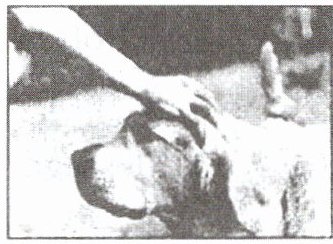
They can smell the difference in breath(呼吸) and sweat(汗液) from people. Then they can tell if people are stressed or not. It could be 93.75% right! A study from scientists at Queen's University Belfast, the UK, said this.
Scientists got breath and sweat from people both before and after doing a hard maths problem. They looked at the people's heart rate(心率), blood pressure(血压) and stress level(压力水平) in the study. The dogs found stress in 675 of the 720 people, or 93.75% of the people, reported an Australian news site.
Stress changes people's breath and sweat. Dogs can smell that change, said the study's writer Clara Wilson. In the study, she also said this finding helps them understand how dogs may know people's thoughts and feelings.
(
A. By making friends with people.
B. By smelling people's breath and sweat.
C. By working with people for a long time.
D. By watching people do maths problems.
(
A. Over 700 people took part in it.
B. High school students in the UK did it.
C. It used dogs from Australia.
D. It helped people be friendly to dogs.
(
A. Dogs.
B. Students.
C. Scientists.
D. Schools.
Dogs really are man's best friends. A new study said that dogs can smell if a person is feeling stressed(焦虑的).
They can smell the difference in breath(呼吸) and sweat(汗液) from people. Then they can tell if people are stressed or not. It could be 93.75% right! A study from scientists at Queen's University Belfast, the UK, said this.
Scientists got breath and sweat from people both before and after doing a hard maths problem. They looked at the people's heart rate(心率), blood pressure(血压) and stress level(压力水平) in the study. The dogs found stress in 675 of the 720 people, or 93.75% of the people, reported an Australian news site.
Stress changes people's breath and sweat. Dogs can smell that change, said the study's writer Clara Wilson. In the study, she also said this finding helps them understand how dogs may know people's thoughts and feelings.
(
B
)1. How can dogs tell if people are stressed or not?A. By making friends with people.
B. By smelling people's breath and sweat.
C. By working with people for a long time.
D. By watching people do maths problems.
(
A
)2. What do we know about the study?A. Over 700 people took part in it.
B. High school students in the UK did it.
C. It used dogs from Australia.
D. It helped people be friendly to dogs.
(
C
)3. What does the underlined word “They” in Paragraph 3 refer to(指代)?A. Dogs.
B. Students.
C. Scientists.
D. Schools.
答案:六、1. B 【点拨】根据“They can smell the difference in breath(呼吸) and sweat(汗液) from people. Then they can tell if people are stressed or not.”可知,它们是通过闻人们的呼吸和汗液来判断的。故选 B。
2. A 【点拨】根据“The dogs found stress in 675 of the 720 people, or 93. 75% of the people, reported an Australian news site.”可知,超过 700 人参加了这次研究。故选 A。
3. C 【点拨】根据“Scientists got breath and sweat from people both before and after doing a hard maths problem. They looked at the people's heart rate(心率), blood pressure(血压) and stress level(压力水平) in the study.”可知,They 指代的是“科学家们”。故选 C。
2. A 【点拨】根据“The dogs found stress in 675 of the 720 people, or 93. 75% of the people, reported an Australian news site.”可知,超过 700 人参加了这次研究。故选 A。
3. C 【点拨】根据“Scientists got breath and sweat from people both before and after doing a hard maths problem. They looked at the people's heart rate(心率), blood pressure(血压) and stress level(压力水平) in the study.”可知,They 指代的是“科学家们”。故选 C。
解析:
【分析】
这是一篇科普类阅读理解题,全部为细节类题型,解题时可以先浏览题干明确每道题的提问方向,再带着问题回到原文对应段落定位关键语句,将选项和原文信息逐一比对,排除错误选项即可得到正确答案:第1题要找狗狗判断人是否焦虑的方式,直接定位原文第二段描述狗狗感知途径的内容;第2题要筛选关于研究的正确信息,回到第三段查找研究的参与人数、执行主体等细节逐一核对选项;第3题是代词指代题,直接往前查找前一句的主语,结合语境判断指代对象即可。
【解析】
1. 第1题:根据原文第二段第一句"They can smell the difference in breath(呼吸) and sweat(汗液) from people. Then they can tell if people are stressed or not.",可知狗狗是通过闻人类的呼吸和汗液来判断人是否处于焦虑状态,A选项“和人做朋友”、C选项“和人长时间共事”、D选项“看人做数学题”均不符合原文描述,因此选B。
2. 第2题:根据原文第三段最后一句"The dogs found stress in 675 of the 720 people, or 93.75% of the people, reported an Australian news site.",可知本次研究共有720名参与者,人数超过700,A选项表述正确;B选项“英国的高中生做了这项研究”错误,研究是英国贝尔法斯特女王大学的科学家完成的;C选项“研究使用了来自澳大利亚的狗狗”原文无相关表述;D选项“它帮助人们对狗更友好”不符合原文内容,因此选A。
3. 第3题:划线词They出现在第三段第二句,往前看前一句的主语是Scientists,句意为“科学家在人们做困难的数学题前后采集了他们的呼吸和汗液样本,他们在研究中观察人们的心率、血压和压力水平”,逻辑通顺,因此They指代科学家,选C。
【答案】
1. B 2. A 3. C
【知识点】
阅读细节查找,代词指代辨析,信息比对筛选
【点评】
本题属于低难度的科普类阅读,所有题目都可以通过直接定位原文内容得到答案,不需要复杂推理,主要考察学生快速在文本中定位关键信息、比对选项和原文内容的能力,适合刚接触科普类阅读的学生巩固细节查找的做题方法。
【难度系数】
0.85
这是一篇科普类阅读理解题,全部为细节类题型,解题时可以先浏览题干明确每道题的提问方向,再带着问题回到原文对应段落定位关键语句,将选项和原文信息逐一比对,排除错误选项即可得到正确答案:第1题要找狗狗判断人是否焦虑的方式,直接定位原文第二段描述狗狗感知途径的内容;第2题要筛选关于研究的正确信息,回到第三段查找研究的参与人数、执行主体等细节逐一核对选项;第3题是代词指代题,直接往前查找前一句的主语,结合语境判断指代对象即可。
【解析】
1. 第1题:根据原文第二段第一句"They can smell the difference in breath(呼吸) and sweat(汗液) from people. Then they can tell if people are stressed or not.",可知狗狗是通过闻人类的呼吸和汗液来判断人是否处于焦虑状态,A选项“和人做朋友”、C选项“和人长时间共事”、D选项“看人做数学题”均不符合原文描述,因此选B。
2. 第2题:根据原文第三段最后一句"The dogs found stress in 675 of the 720 people, or 93.75% of the people, reported an Australian news site.",可知本次研究共有720名参与者,人数超过700,A选项表述正确;B选项“英国的高中生做了这项研究”错误,研究是英国贝尔法斯特女王大学的科学家完成的;C选项“研究使用了来自澳大利亚的狗狗”原文无相关表述;D选项“它帮助人们对狗更友好”不符合原文内容,因此选A。
3. 第3题:划线词They出现在第三段第二句,往前看前一句的主语是Scientists,句意为“科学家在人们做困难的数学题前后采集了他们的呼吸和汗液样本,他们在研究中观察人们的心率、血压和压力水平”,逻辑通顺,因此They指代科学家,选C。
【答案】
1. B 2. A 3. C
【知识点】
阅读细节查找,代词指代辨析,信息比对筛选
【点评】
本题属于低难度的科普类阅读,所有题目都可以通过直接定位原文内容得到答案,不需要复杂推理,主要考察学生快速在文本中定位关键信息、比对选项和原文内容的能力,适合刚接触科普类阅读的学生巩固细节查找的做题方法。
【难度系数】
0.85