第二节:阅读下面短文,从短文后所给的选项中选出能填入短文空白处的最佳选项,使短文通顺连贯,其中有两项是多余选项。(共5小题;每小题2分,满分10分)(2025·江苏宿迁宿豫区期中)
Chinese people often say “wufu linmen” or “The five blessings have come to the house”. 16
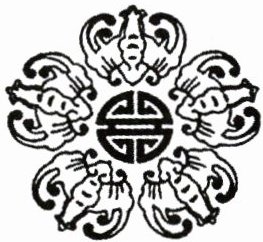
The “five blessings” come from The Book of Documents. The first blessing is long life. The second is wealth. The third is health. The fourth is love of virtue(美德). 17 Look at this picture. There are five bats in it. Chinese artists have long used five bats to stand for the five blessings. Why? 18
The Chinese character fu means blessings, happiness and good luck in Chinese. It appears in all kinds of things such as paper-cuts and posters. 19 For example, people put up the Chinese character fu on doors and walls during the Spring Festival. Often, people paste(粘贴) it upside down. The Chinese characters for “upside-down” and “to arrive” are both pronounced dao. 20
A. What are the “five blessings”?
B. And the last one is a peaceful death.
C. The number five represents the “five blessings”.
D. Because bianfu, the Chinese na for bats, includes fu.
E. This shows Chinese people's wishes for happiness and good luck.
F. We should think about how to introduce Chinese culture to the world.
G. So fudao means “good luck arrives”.
16.
Chinese people often say “wufu linmen” or “The five blessings have come to the house”. 16
The “five blessings” come from The Book of Documents. The first blessing is long life. The second is wealth. The third is health. The fourth is love of virtue(美德). 17 Look at this picture. There are five bats in it. Chinese artists have long used five bats to stand for the five blessings. Why? 18
The Chinese character fu means blessings, happiness and good luck in Chinese. It appears in all kinds of things such as paper-cuts and posters. 19 For example, people put up the Chinese character fu on doors and walls during the Spring Festival. Often, people paste(粘贴) it upside down. The Chinese characters for “upside-down” and “to arrive” are both pronounced dao. 20
A. What are the “five blessings”?
B. And the last one is a peaceful death.
C. The number five represents the “five blessings”.
D. Because bianfu, the Chinese na
for bats, includes fu.E. This shows Chinese people's wishes for happiness and good luck.
F. We should think about how to introduce Chinese culture to the world.
G. So fudao means “good luck arrives”.
16.
A
17. B
18. D
19. E
20. G
答案:16. A 17. B 18. D 19. E 20. G
解析:
【分析】
本题是关于中国“五福临门”文化的七选五题型,解题思路为:先通读全文把握主题(介绍“五福”的来源、含义及相关文化习俗),再逐个分析每个空前后的语境,通过逻辑衔接词、指代关系、主题呼应等匹配最佳选项。
【解析】
16. 前文引出“五福临门”的说法,后文开始介绍“五福”的具体内容,因此此处需引出“五福是什么”的话题,对应选项A。
17. 前文已列举“五福”中的前四项(长寿、财富、健康、爱美德),此处需补充最后一项,对应选项B(And the last one...)。
18. 前文以“Why?”提问原因,此处需用Because引导回答,结合“蝙蝠”与“福”的关联,对应选项D。
19. 前文提到“福”字出现在各类物品中,后文举例春节贴“福”字,此处需总结该现象的意义,对应选项E。
20. 前文说明“倒”与“到”发音相同,此处需总结福字倒贴的寓意,对应选项G。
【答案】
16.A 17.B 18.D 19.E 20.G
【知识点】
七选五阅读、文化常识
【点评】
本题结合中国传统文化,考查学生对语篇逻辑衔接的理解能力,需理清上下文的因果、举例、补充等逻辑关系,难度适中。
【难度系数】
0.5
本题是关于中国“五福临门”文化的七选五题型,解题思路为:先通读全文把握主题(介绍“五福”的来源、含义及相关文化习俗),再逐个分析每个空前后的语境,通过逻辑衔接词、指代关系、主题呼应等匹配最佳选项。
【解析】
16. 前文引出“五福临门”的说法,后文开始介绍“五福”的具体内容,因此此处需引出“五福是什么”的话题,对应选项A。
17. 前文已列举“五福”中的前四项(长寿、财富、健康、爱美德),此处需补充最后一项,对应选项B(And the last one...)。
18. 前文以“Why?”提问原因,此处需用Because引导回答,结合“蝙蝠”与“福”的关联,对应选项D。
19. 前文提到“福”字出现在各类物品中,后文举例春节贴“福”字,此处需总结该现象的意义,对应选项E。
20. 前文说明“倒”与“到”发音相同,此处需总结福字倒贴的寓意,对应选项G。
【答案】
16.A 17.B 18.D 19.E 20.G
【知识点】
七选五阅读、文化常识
【点评】
本题结合中国传统文化,考查学生对语篇逻辑衔接的理解能力,需理清上下文的因果、举例、补充等逻辑关系,难度适中。
【难度系数】
0.5
四、词汇运用。(共10小题;每小题1分,满分10分)
根据短文意思和首字母提示,写出一个完整正确的单词。
English is my favourite subject and Mr Smith is my favourite English teacher. He is from the UK and has l 1 in China for about five years. He has short hair and bright blue eyes.
He is about 1.88 metres tall and he looks strong. He is the y 2 one among all my teachers. I like talking with him b 3 we have some shared interests.
I really like his English classes. The first reason for this is that h 4 classes are relaxing. The s 5 reason is that Mr Smith is kind. We are all happy to have a teacher l 6 him. He teaches us p 7. He always smiles at us and never gets angry, even though some of my classmates are always noisy and make him u 8. We really enjoy h 9 his classes.
Mr Smith is the b 10 teacher I've ever had. I really admire(钦佩) him.
1.
6.
根据短文意思和首字母提示,写出一个完整正确的单词。
English is my favourite subject and Mr Smith is my favourite English teacher. He is from the UK and has l 1 in China for about five years. He has short hair and bright blue eyes.
He is about 1.88 metres tall and he looks strong. He is the y 2 one among all my teachers. I like talking with him b 3 we have some shared interests.
I really like his English classes. The first reason for this is that h 4 classes are relaxing. The s 5 reason is that Mr Smith is kind. We are all happy to have a teacher l 6 him. He teaches us p 7. He always smiles at us and never gets angry, even though some of my classmates are always noisy and make him u 8. We really enjoy h 9 his classes.
Mr Smith is the b 10 teacher I've ever had. I really admire(钦佩) him.
1.
lived
2. youngest
3. because
4. his
5. second
6.
like
7. patiently
8. unhappy
9. having
10. best
答案:1. lived 2. youngest 3. because 4. his 5. second
6. like 7. patiently 8. unhappy 9. having 10. best
6. like 7. patiently 8. unhappy 9. having 10. best
解析:
【分析】首先通读短文,理解主旨是介绍作者最喜欢的英语老师Mr Smith,再结合每个空的首字母提示、上下文语境及语法知识逐一判断:1. 由“for about five years”可知用现在完成时,需填动词过去分词;2. 由“among all my teachers”(三者及以上)可知用形容词最高级;3. 前后为因果关系,需填连词;4. 修饰名词classes需用形容词性物主代词;5. 对应前文“The first reason”需填“第二”;6. 表示“像”需用介词;7. 修饰动词teaches需用副词;8. 由“never gets angry”可知需填表示“不开心”的词;9. 考查固定搭配enjoy doing sth;10. 由“I've ever had”可知用形容词最高级。
【解析】1. 句子为现在完成时,结构“has+过去分词”,结合首字母l及语境“在中国住了五年”,填lived;2. 范围是“所有老师”,用形容词最高级,首字母y,填youngest;3. 前后句为前果后因的因果关系,首字母b,填because;4. 修饰名词classes,指代Mr Smith,用形容词性物主代词his,首字母h,填his;5. 对应前文“The first reason”,表示“第二个”,首字母s,填second;6. 表示“像”,介词,首字母l,填like;7. 修饰动词teaches,用副词,首字母p,填patiently;8. 语境为“同学吵闹让他不开心”,首字母u,填unhappy;9. 固定搭配enjoy doing sth,首字母h,填having;10. 范围是“我曾有的老师”,用形容词最高级,首字母b,填best。
【答案】1. lived 2. youngest 3. because 4. his 5. second 6. like 7. patiently 8. unhappy 9. having 10. best
【知识点】词汇运用(首字母填空)、形容词最高级、副词用法
【点评】本题为英语首字母填空题,考查学生对词汇、语法(时态、词性、最高级)及语境逻辑的综合运用能力,是初中英语常见基础题型,需结合上下文和语法规则解题。
【难度系数】0.5
【解析】1. 句子为现在完成时,结构“has+过去分词”,结合首字母l及语境“在中国住了五年”,填lived;2. 范围是“所有老师”,用形容词最高级,首字母y,填youngest;3. 前后句为前果后因的因果关系,首字母b,填because;4. 修饰名词classes,指代Mr Smith,用形容词性物主代词his,首字母h,填his;5. 对应前文“The first reason”,表示“第二个”,首字母s,填second;6. 表示“像”,介词,首字母l,填like;7. 修饰动词teaches,用副词,首字母p,填patiently;8. 语境为“同学吵闹让他不开心”,首字母u,填unhappy;9. 固定搭配enjoy doing sth,首字母h,填having;10. 范围是“我曾有的老师”,用形容词最高级,首字母b,填best。
【答案】1. lived 2. youngest 3. because 4. his 5. second 6. like 7. patiently 8. unhappy 9. having 10. best
【知识点】词汇运用(首字母填空)、形容词最高级、副词用法
【点评】本题为英语首字母填空题,考查学生对词汇、语法(时态、词性、最高级)及语境逻辑的综合运用能力,是初中英语常见基础题型,需结合上下文和语法规则解题。
【难度系数】0.5