四、根据图片和首字母提示填写单词,补全对话。
Amy: Lele, you look w
Lele: Because I can’t understand English well.
Amy: Don’t worry. I can help you.
Lele: Thank you. I feel g
Amy: Oh no! Look! My dog spills the juice everywhere (到处).
Lele: Don’t be a
Amy: OK. Look! W
Lele: He doesn’t w
Amy: Don’t be s
Ben: OK.
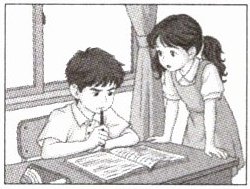
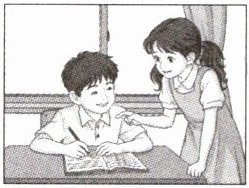
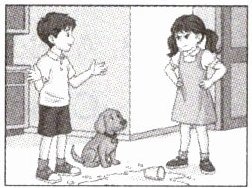
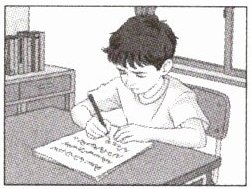
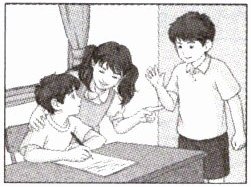
Amy: Lele, you look w
orried
. Why?Lele: Because I can’t understand English well.
Amy: Don’t worry. I can help you.
Lele: Thank you. I feel g
ood
now.Amy: Oh no! Look! My dog spills the juice everywhere (到处).
Lele: Don’t be a
ngry
, Amy. Let’s clean
it up together.Amy: OK. Look! W
hat’s
the matter with Ben?Lele: He doesn’t w
rite
well.Amy: Don’t be s
ad
, Ben. Let’s have fun
together.Ben: OK.
答案:worried, good, angry, clean, What’s, write, sad, fun
解析:
【分析】
先通读对话理解整体语境,结合每句的上下文逻辑和给出的首字母提示,联系日常英语词汇及固定搭配,逐一确定每个空应填的单词。
【解析】
1. 第一空:由“Because I can’t understand English well”可知Lele因英语不好而担忧,结合首字母w,填worried;
2. 第二空:Amy主动帮忙后,Lele的感受变好,结合首字母g,填good;
3. 第三空:Amy看到狗把果汁洒得到处都是,情绪会生气,结合首字母a,填angry;
4. 第四空:看到果汁洒了,提议一起清理,结合首字母c,填clean;
5. 第五空:询问他人状况的固定句型为“What’s the matter with sb?”,结合首字母W,填What’s;
6. 第六空:描述Ben的状态,结合首字母w,填write;
7. 第七空:安慰Ben不要难过,结合首字母s,填sad;
8. 第八空:固定搭配“have fun”表示玩得开心,结合首字母f,填fun。
【答案】
worried, good, angry, clean, What’s, write, sad, fun
【知识点】
词汇运用、日常对话固定搭配
【点评】
本题结合对话语境与首字母提示,考查学生对基础英语词汇及常用句型的掌握,需联系上下文逻辑填写,难度适中。
【难度系数】
0.5
先通读对话理解整体语境,结合每句的上下文逻辑和给出的首字母提示,联系日常英语词汇及固定搭配,逐一确定每个空应填的单词。
【解析】
1. 第一空:由“Because I can’t understand English well”可知Lele因英语不好而担忧,结合首字母w,填worried;
2. 第二空:Amy主动帮忙后,Lele的感受变好,结合首字母g,填good;
3. 第三空:Amy看到狗把果汁洒得到处都是,情绪会生气,结合首字母a,填angry;
4. 第四空:看到果汁洒了,提议一起清理,结合首字母c,填clean;
5. 第五空:询问他人状况的固定句型为“What’s the matter with sb?”,结合首字母W,填What’s;
6. 第六空:描述Ben的状态,结合首字母w,填write;
7. 第七空:安慰Ben不要难过,结合首字母s,填sad;
8. 第八空:固定搭配“have fun”表示玩得开心,结合首字母f,填fun。
【答案】
worried, good, angry, clean, What’s, write, sad, fun
【知识点】
词汇运用、日常对话固定搭配
【点评】
本题结合对话语境与首字母提示,考查学生对基础英语词汇及常用句型的掌握,需联系上下文逻辑填写,难度适中。
【难度系数】
0.5
五、阅读短文,用数字给下列图片排序。
Mr Black has a big garden. There are trees and flowers in it. Some children like playing in it. But Mr Black doesn’t like noise (噪音). He is very angry. He shouts, “Don’t play in my garden!” The children are afraid (害怕的) and run away quickly. Spring is here. But Mr Black’s garden is still (仍然) in winter. He’s very sad. He says to the children, “Come and play in my garden, my children.” Then the children come back and play happily in the garden. The garden is beautiful again. Everyone is happy.
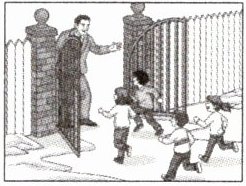
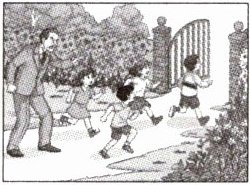
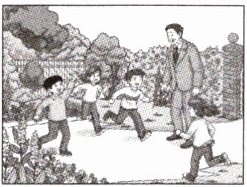
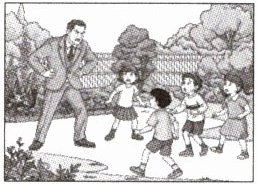
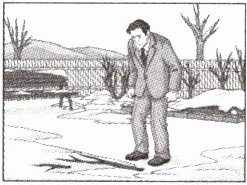
(
Mr Black has a big garden. There are trees and flowers in it. Some children like playing in it. But Mr Black doesn’t like noise (噪音). He is very angry. He shouts, “Don’t play in my garden!” The children are afraid (害怕的) and run away quickly. Spring is here. But Mr Black’s garden is still (仍然) in winter. He’s very sad. He says to the children, “Come and play in my garden, my children.” Then the children come back and play happily in the garden. The garden is beautiful again. Everyone is happy.
(
4
) (2
) (5
) (1
) (3
)答案:4 2 5 1 3
解析:
【分析】首先通读短文,梳理故事的情节发展顺序:先写布莱克先生因孩子在花园玩耍吵闹而生气,赶走孩子;接着写春天到来时,他的花园仍像冬天,他难过;最后写他邀请孩子回来玩,花园恢复美丽,大家开心。再结合插图内容,匹配每个情节对应的插图,最终确定排序。
【解析】先通读短文,明确故事的先后逻辑:1. 布莱克先生生气赶走玩耍的孩子;2. 春天到但花园仍像冬天,他难过;3. 邀请孩子回来,花园变美,大家开心。对应插图后,按情节顺序排序为4、2、5、1、3。
【答案】4 2 5 1 3
【知识点】阅读理解 短文排序
【点评】本题考查学生对英语短文情节的梳理与逻辑匹配能力,需先理清故事脉络,再结合插图完成排序,是小学英语常见题型。
【难度系数】0.5
【解析】先通读短文,明确故事的先后逻辑:1. 布莱克先生生气赶走玩耍的孩子;2. 春天到但花园仍像冬天,他难过;3. 邀请孩子回来,花园变美,大家开心。对应插图后,按情节顺序排序为4、2、5、1、3。
【答案】4 2 5 1 3
【知识点】阅读理解 短文排序
【点评】本题考查学生对英语短文情节的梳理与逻辑匹配能力,需先理清故事脉络,再结合插图完成排序,是小学英语常见题型。
【难度系数】0.5
六、书面表达。
阅读范文,仿写一篇关于“处理情绪”的短文。
要求:1. 语句通顺,书写美观;2. 不少于5句话;3. 注意单词拼写、字母大小写等。
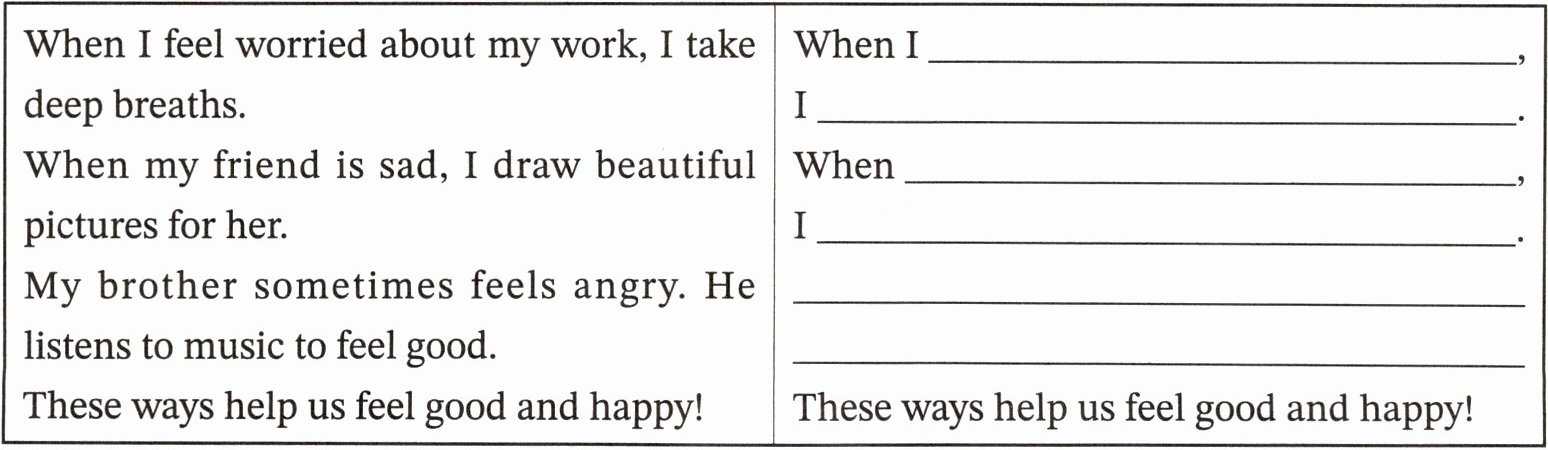
When I feel worried about my work, I take deep breaths.
When my friend is sad, I draw beautiful pictures for her.
My brother sometimes feels angry. He listens to music to feel good.
These ways help us feel good and happy!
When I
I
When
I
These ways help us feel good and happy!
阅读范文,仿写一篇关于“处理情绪”的短文。
要求:1. 语句通顺,书写美观;2. 不少于5句话;3. 注意单词拼写、字母大小写等。
When I feel worried about my work, I take deep breaths.
When my friend is sad, I draw beautiful pictures for her.
My brother sometimes feels angry. He listens to music to feel good.
These ways help us feel good and happy!
When I
don’t do well at school
,I
talk with my friends and try hard
.When
my friend is sad
,I
play games with her
.My mother sometimes feels bad. She reads a book or watches TV to feel good.
These ways help us feel good and happy!
答案:参考范文:
When I don’t do well at school, I talk with my friends and try hard.
When my friend is sad, I play games with her.
My mother sometimes feels bad. She reads a book or watches TV to feel good.
These ways help us feel good and happy!
When I don’t do well at school, I talk with my friends and try hard.
When my friend is sad, I play games with her.
My mother sometimes feels bad. She reads a book or watches TV to feel good.
These ways help us feel good and happy!
解析:
【分析】本题为英语书面表达仿写题,解题思路如下:1. 先拆解范文结构:范文围绕“处理情绪”话题,分为“自身情绪场景+应对方法”“他人(朋友)情绪场景+应对方法”“家人情绪场景+应对方法”三部分,最后用指定句子收尾;2. 仿写时需遵循:选择合理的情绪场景(如自身学业不顺、朋友难过、家人心情不好),搭配符合逻辑的应对方式,确保语句通顺、语法正确,满足不少于5句的要求。
【解析】需参考范文的句式结构,依次创作:先写自身情绪场景(学业表现不佳)及应对方法(和朋友聊天、努力);再写朋友情绪场景(难过)及应对方法(玩游戏);接着写家人情绪场景(妈妈心情不好)及应对方法(看书或看电视);最后用指定句子收尾,保证内容贴合“处理情绪”的主题,符合英语表达规范。
【答案】When I don’t do well at school, I talk with my friends and try hard.
When my friend is sad, I play games with her.
My mother sometimes feels bad. She reads a book or watches TV to feel good.
These ways help us feel good and happy!
【知识点】英语书面表达、句子仿写
【点评】本题围绕“处理情绪”话题考察学生的英语仿写能力,既考查基础句式的运用,又要求结合生活实际创作,锻炼语言综合运用能力。
【难度系数】0.6
【解析】需参考范文的句式结构,依次创作:先写自身情绪场景(学业表现不佳)及应对方法(和朋友聊天、努力);再写朋友情绪场景(难过)及应对方法(玩游戏);接着写家人情绪场景(妈妈心情不好)及应对方法(看书或看电视);最后用指定句子收尾,保证内容贴合“处理情绪”的主题,符合英语表达规范。
【答案】When I don’t do well at school, I talk with my friends and try hard.
When my friend is sad, I play games with her.
My mother sometimes feels bad. She reads a book or watches TV to feel good.
These ways help us feel good and happy!
【知识点】英语书面表达、句子仿写
【点评】本题围绕“处理情绪”话题考察学生的英语仿写能力,既考查基础句式的运用,又要求结合生活实际创作,锻炼语言综合运用能力。
【难度系数】0.6